Things to do in Nature in June
Ways to enjoy the abundance of early Summer days in Nature
Practice the art of pottering
Pottering is considered an art form to practice (but not to perfect) where activities are spontaneous and fluid rather than challenging in any way. Pottering is not time-sensitive or goal-oriented. It is not classed as work and it is not considered a chore. It involves things that can be done but are not a priority which means they do not demand a mention and are hardly featured on any to-do lists.
To get the best out of pottering, the activity must be pleasingly vague, exploratory, soothingly repetative and unassumingly slow-paced. Pottering is not meant to be productive although it often yields highly satisfying outcomes and feelings of accomplishment. The great thing is that pottering projects are generally interchangable and ad-hoc, they can be put on hold or simply be abandoned without any subsequent feelings of loss, guilt or anxiety.
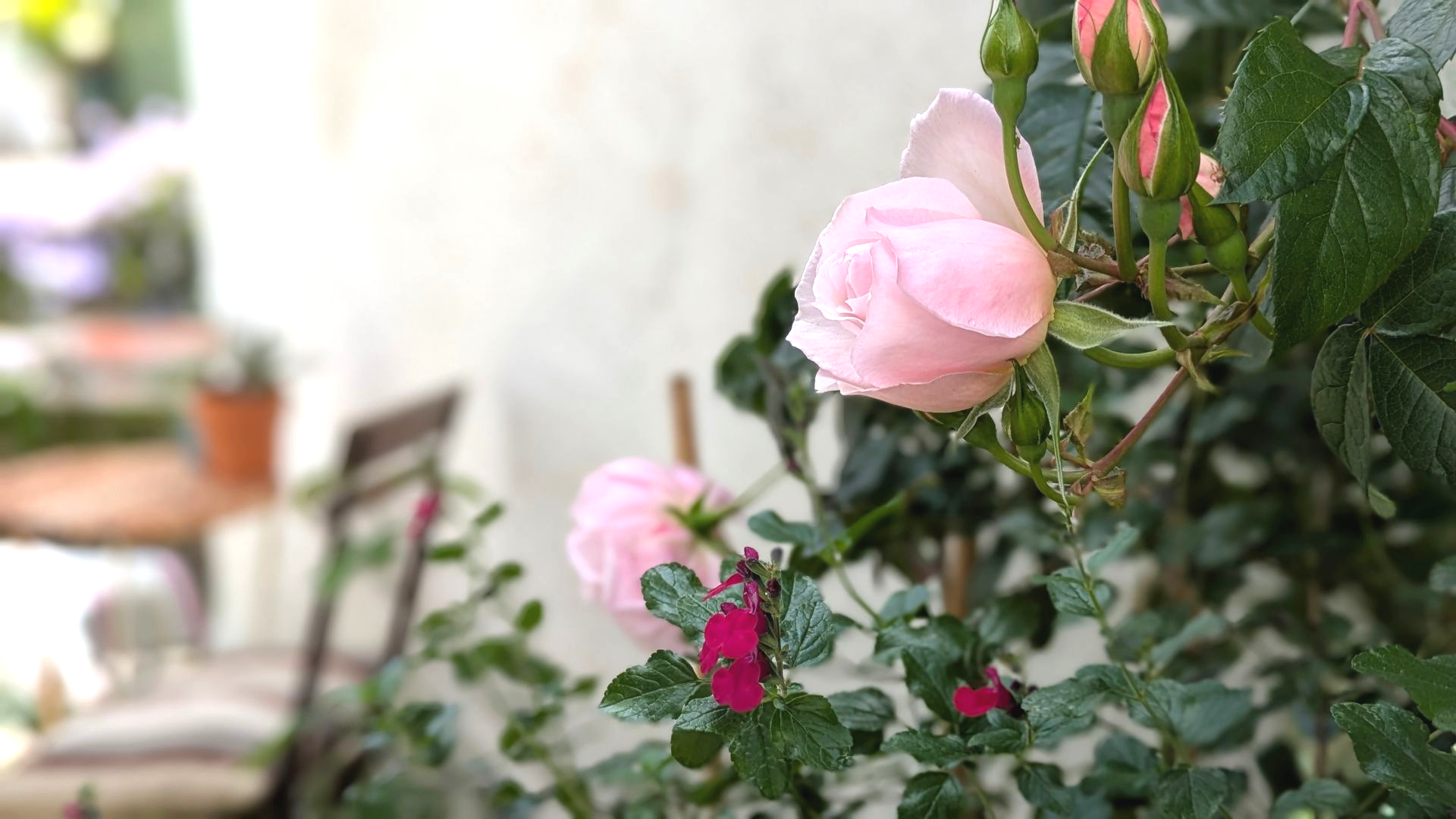
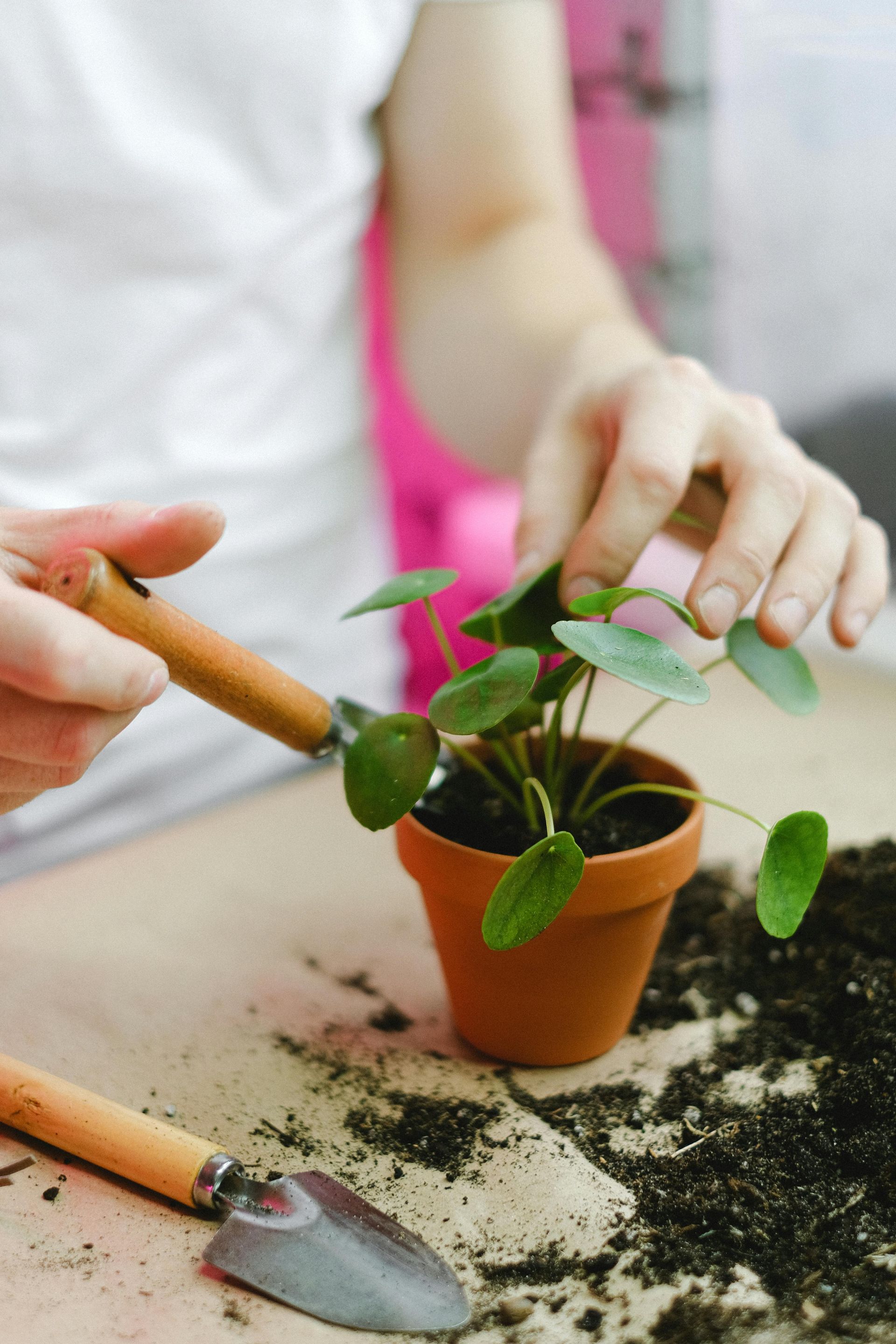
Pottering is best enjoyed on one's own, unless everyone happens to be doing their own pottering in the same place at the same time, which can be a rather wonderful thing. The garden is a great place for pottering - deadheading, picking tiny flowers to arrange in small vases, potting out Geraniums stem cuttings to add further splashes of colour or cleaning and replenishing the bird-feeders and bird-baths (see below).
Inside there is tinkering in drawers, plumping cushions, re-arranging items of furniture or rummaging in cupboards about to see what can be found. Places like garages and sheds hold particular pottering potential for some, and Nature provides a never-ending landscape within which pottering comes into its element and turns out to be one of the best ways to savour, explore and enjoy the natural world.
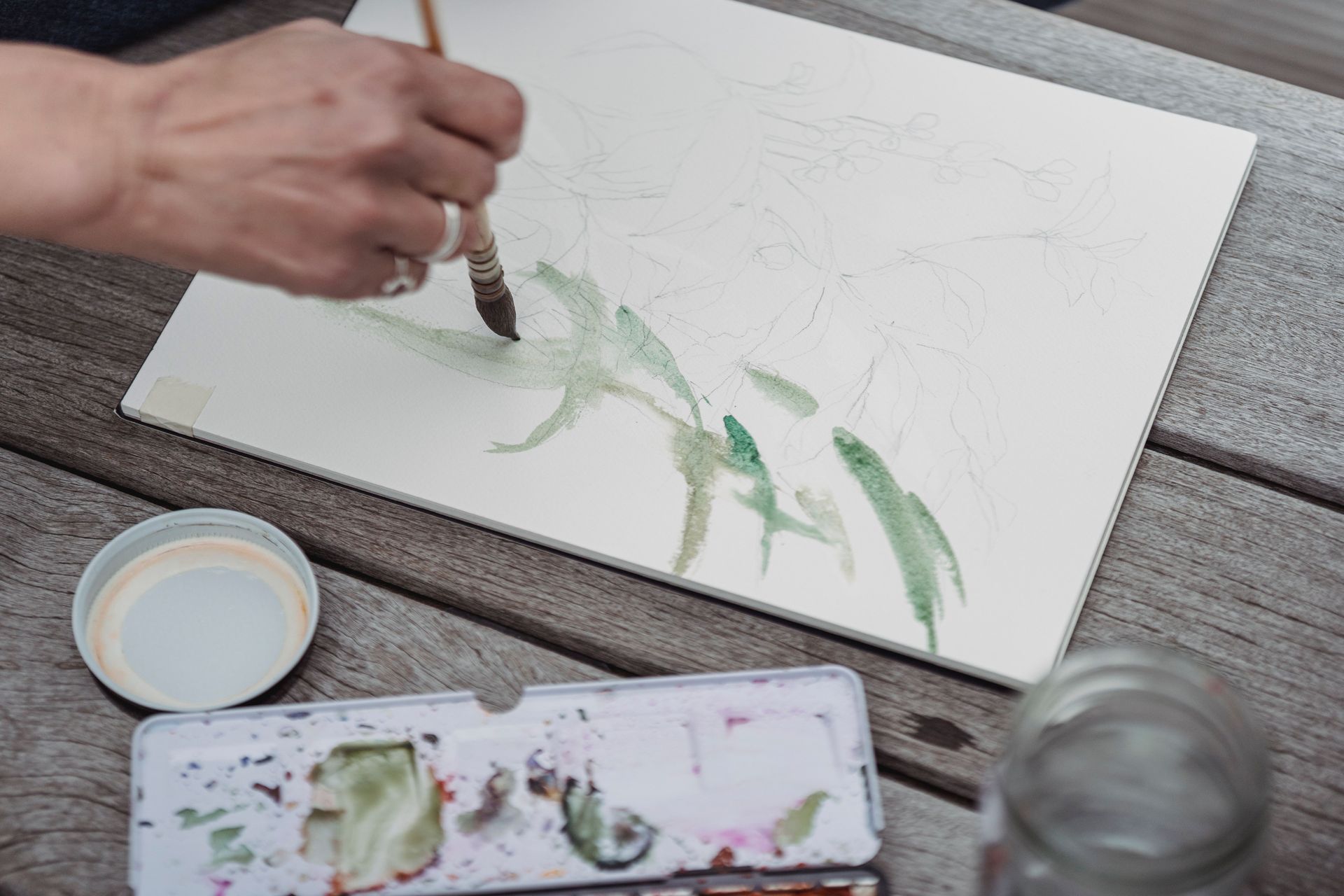
I find myself pottering at various times of the day in a way that is neither planned nor organised. It provides a natural break from working on my computer and allows space for ideas and plans to materialise. Thoughts come to mind easily when pottering and it becomes part of the process to incorporate a small journal or sketch book to capture ideas that might not otherwise have had the chance to surface.
At this time of year, I am drawn to my tiny garden where I can lose all sense of time simply watching the bees harvesting the purple and white flowers flourishing on my Hebe. I end up mooching about inspecting plants, gently removing greenfly from my Roses and doing a bit of pruning, deadheading or replenishing my tiny bird-baths (see above and below).
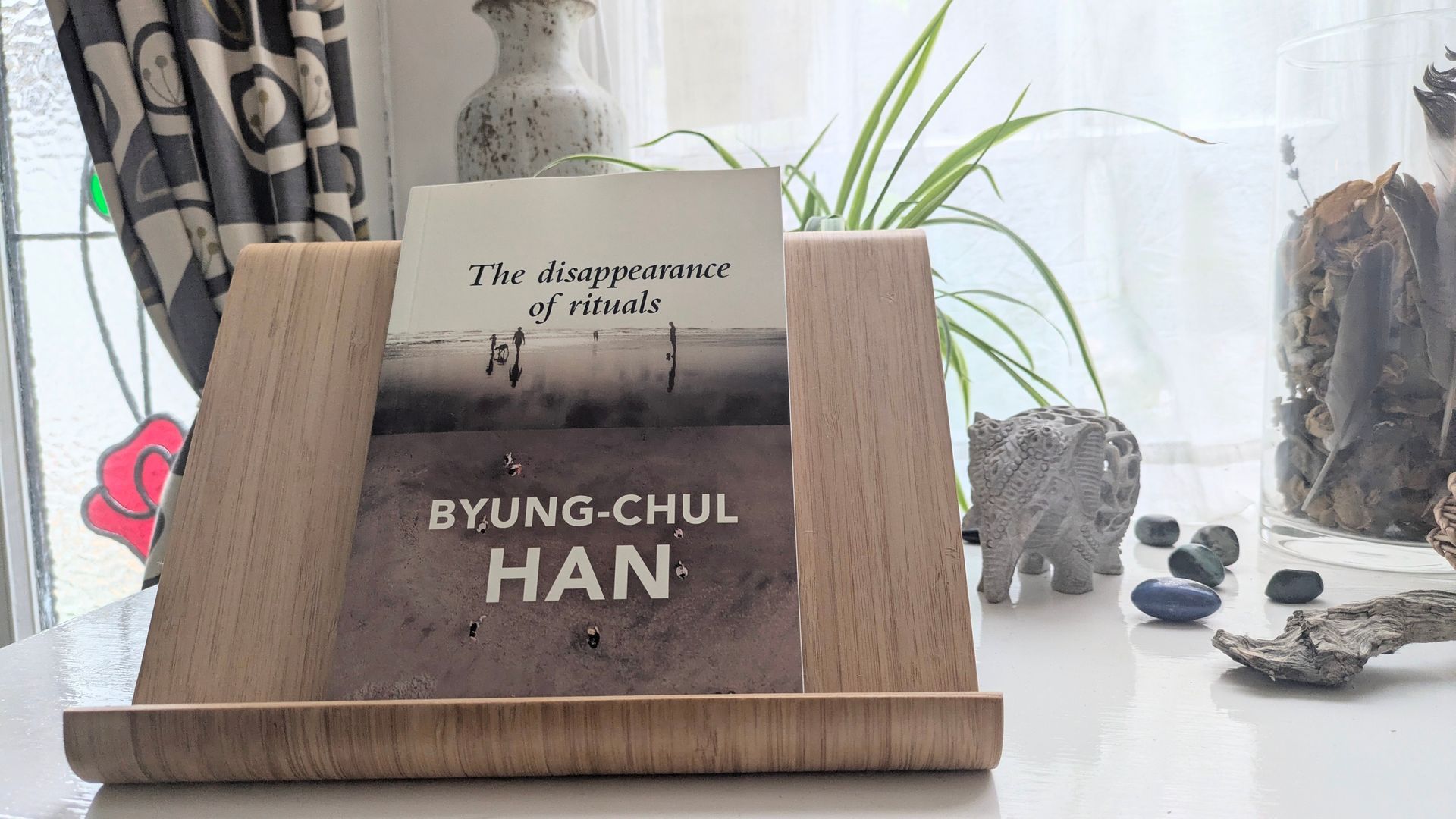
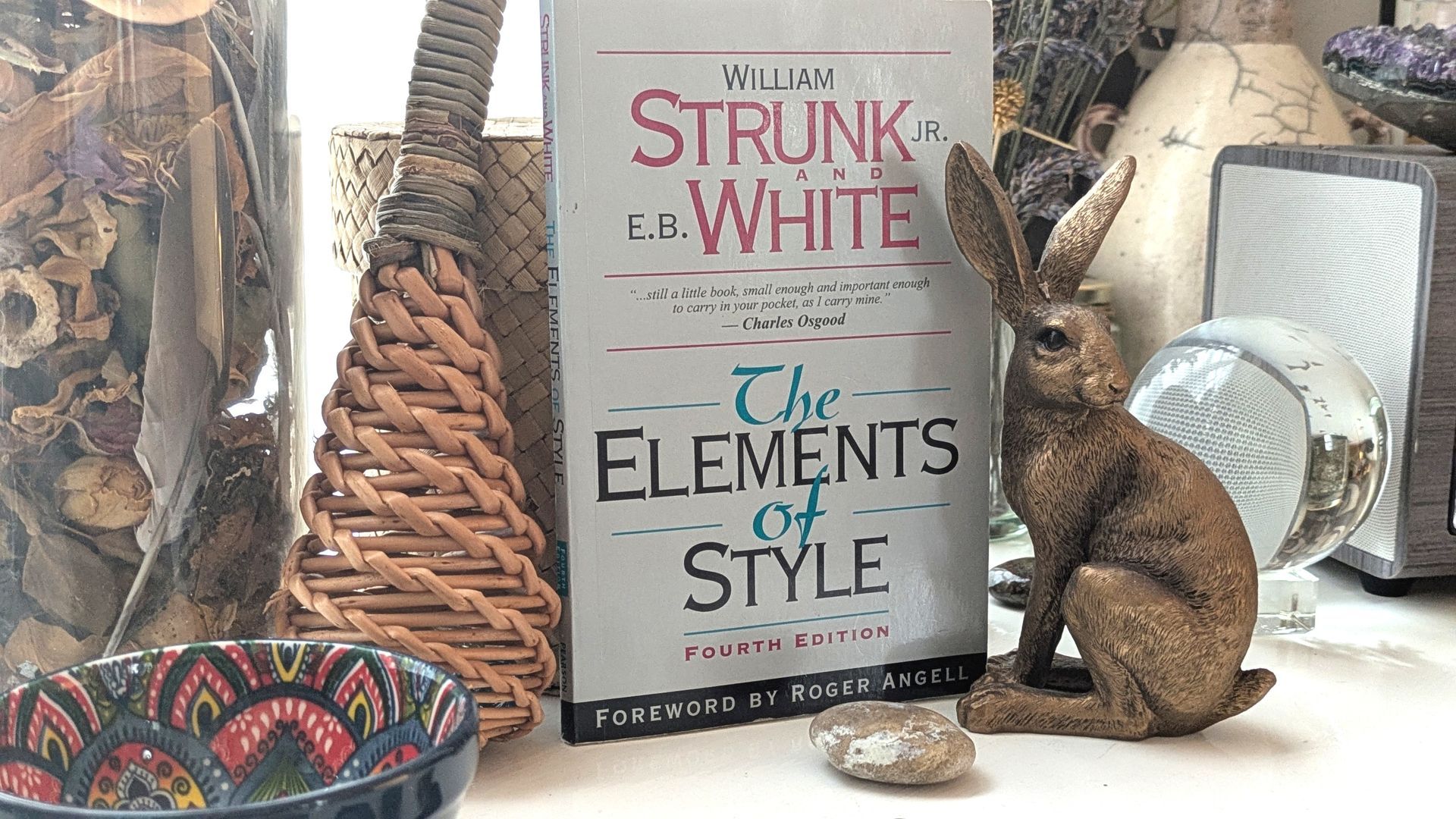
It reminds me of a book I read some years ago called 'Pottering: A Cure for Modern Life' which turned out to be a wonderful re-read. There is a wonderful thread of humour running through which does not take away from the fact that pottering is actually very good for us, providing essential me-time and the opportunity to spend time on our own self-care, mindfulness and creative wellbeing.
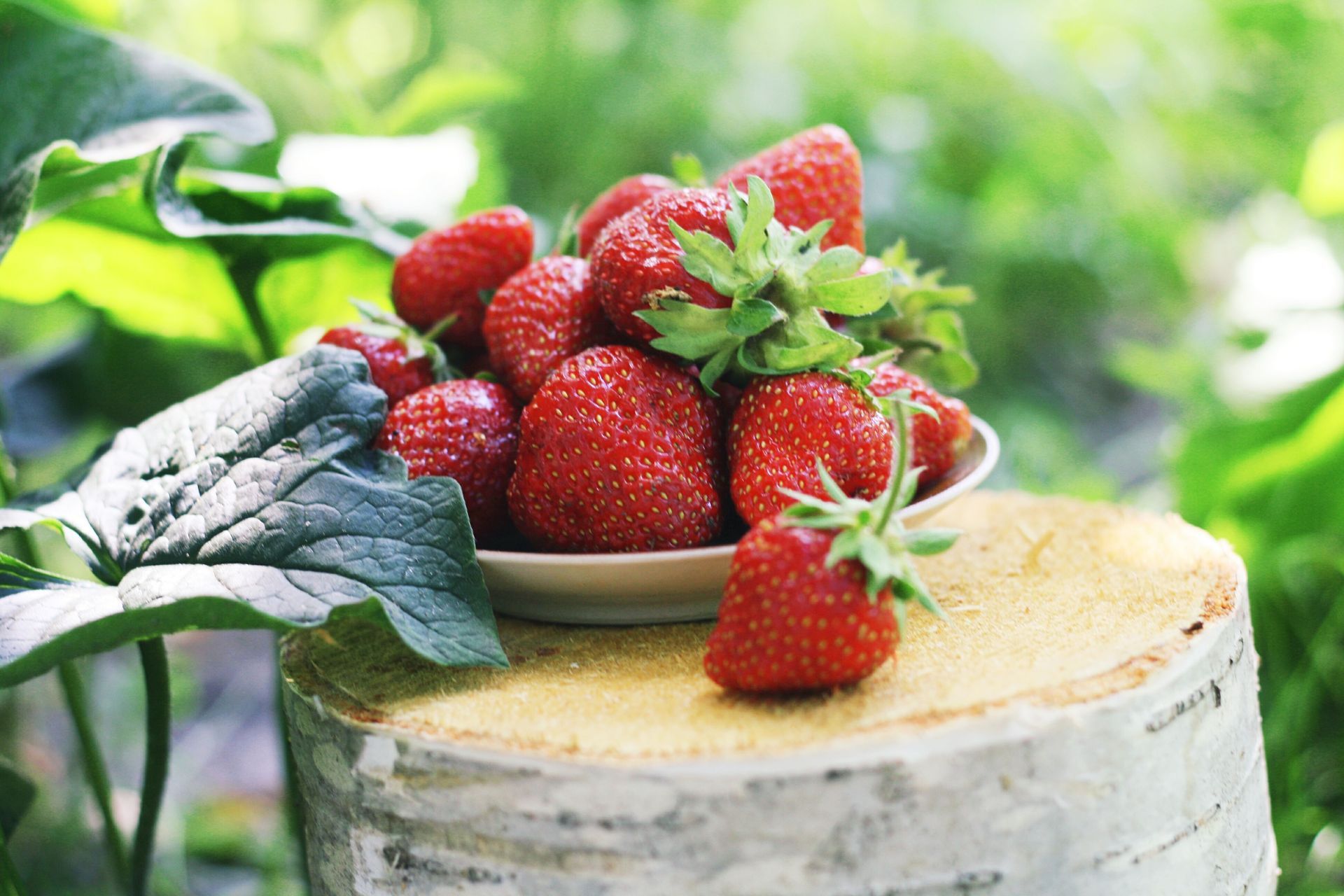
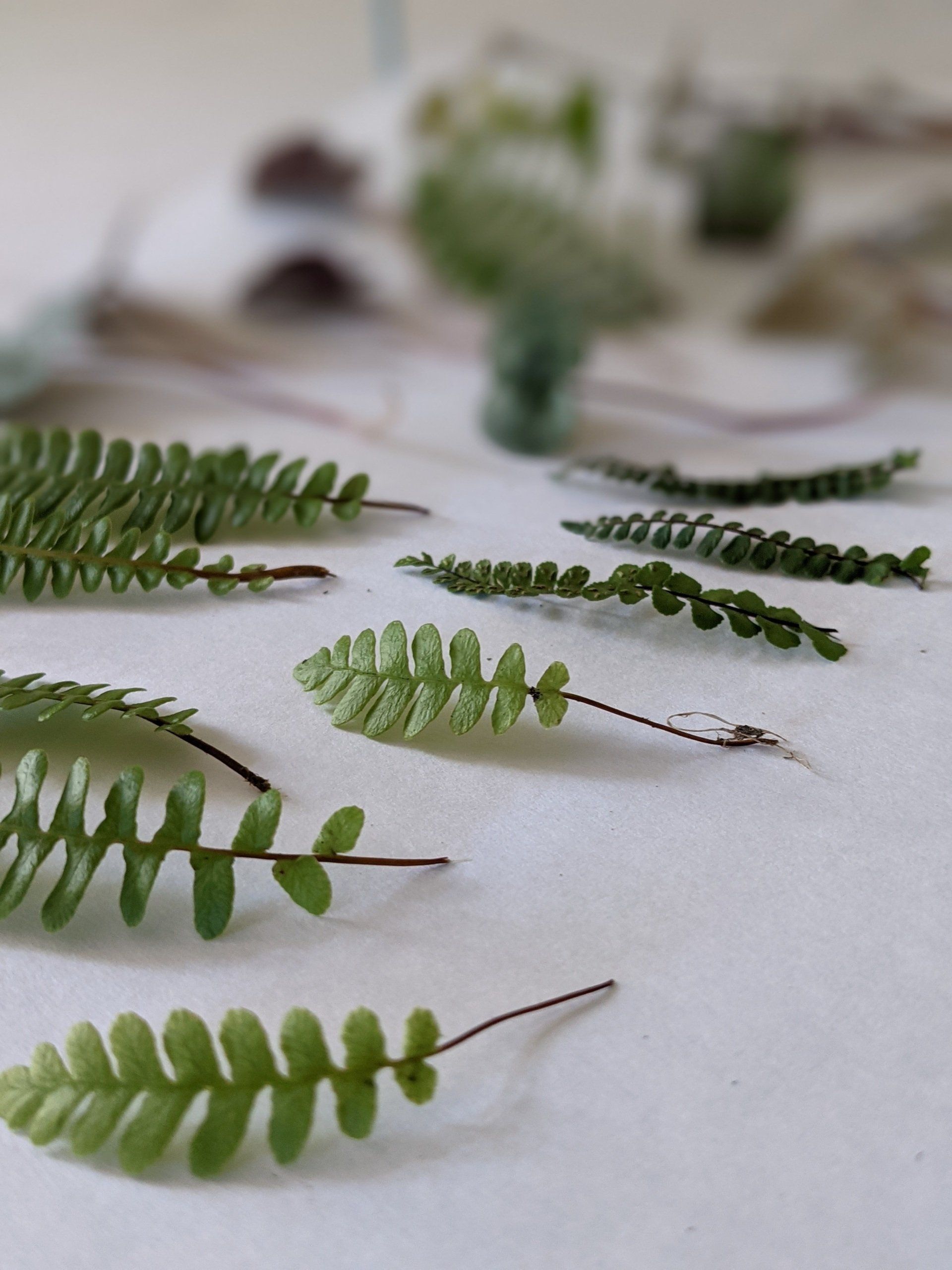
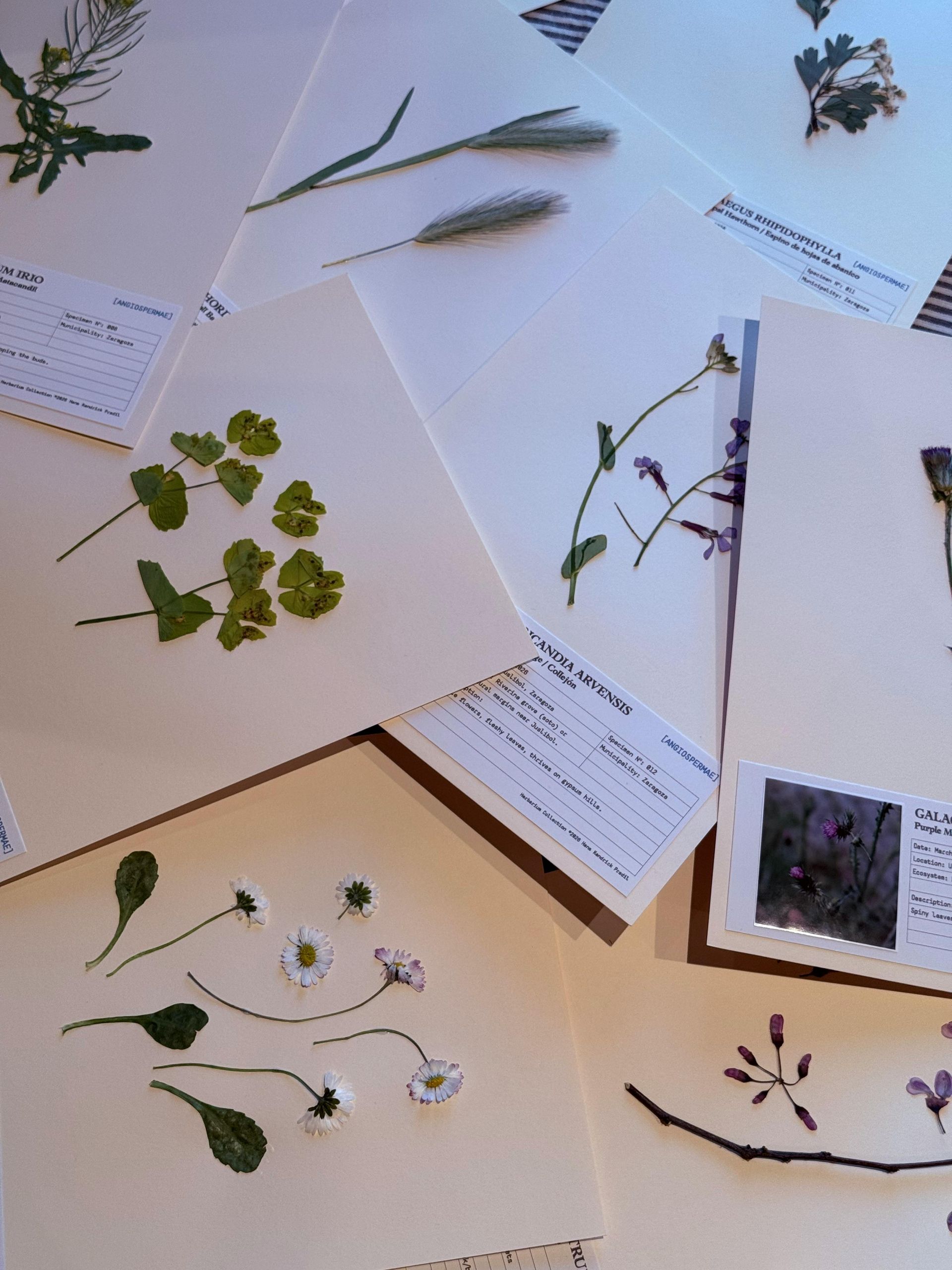
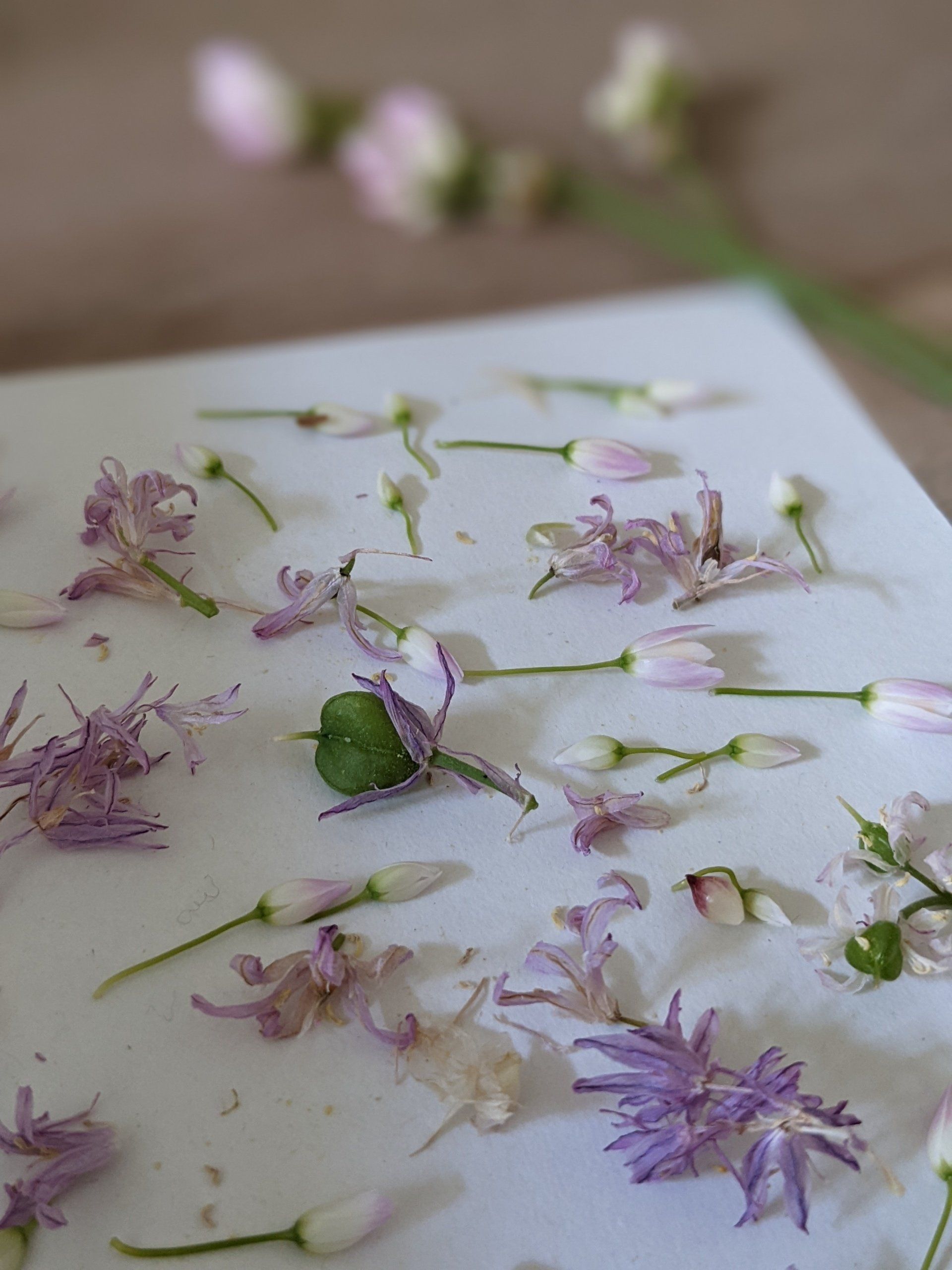
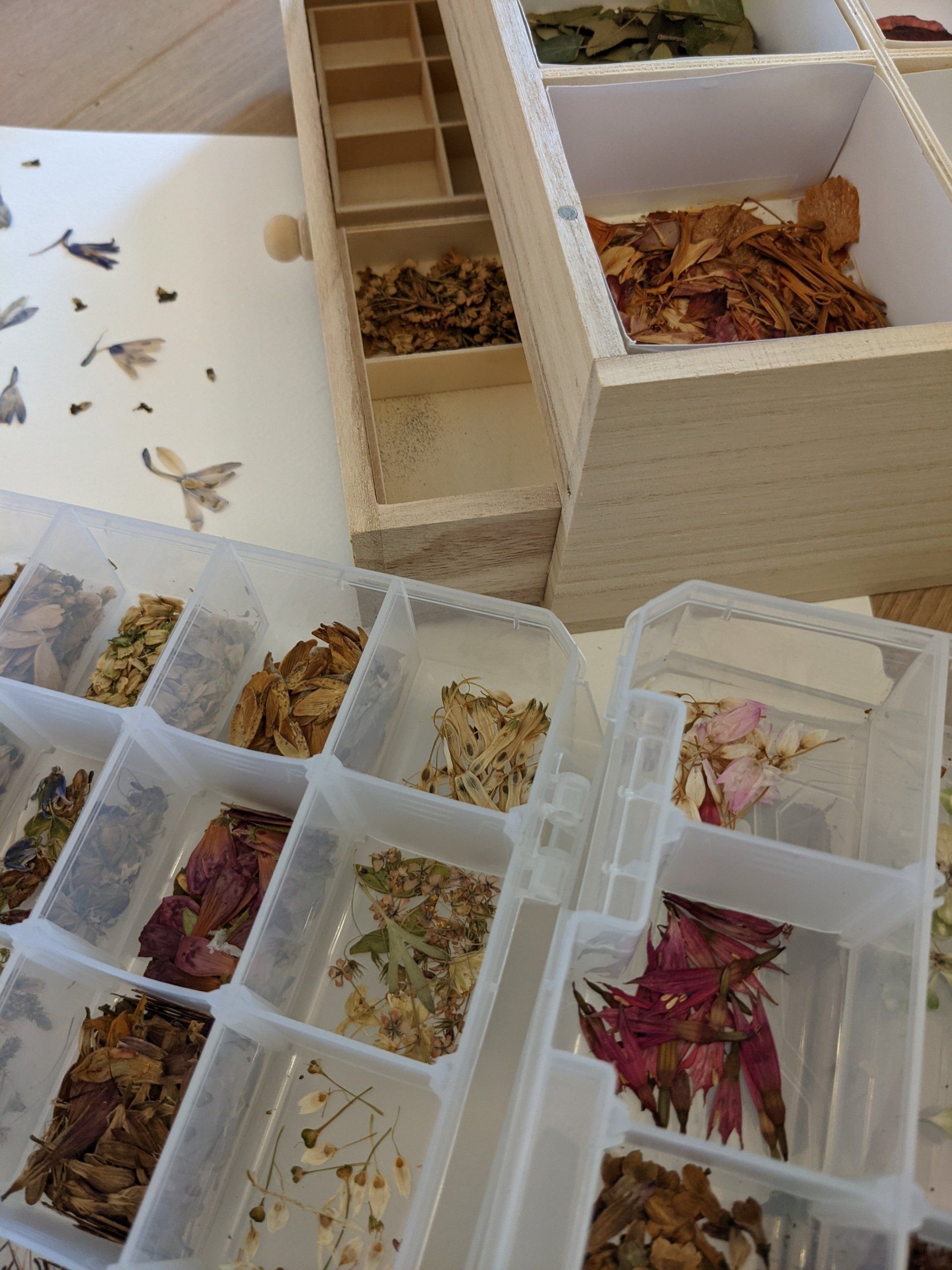
Press flowers, seeds and leaves
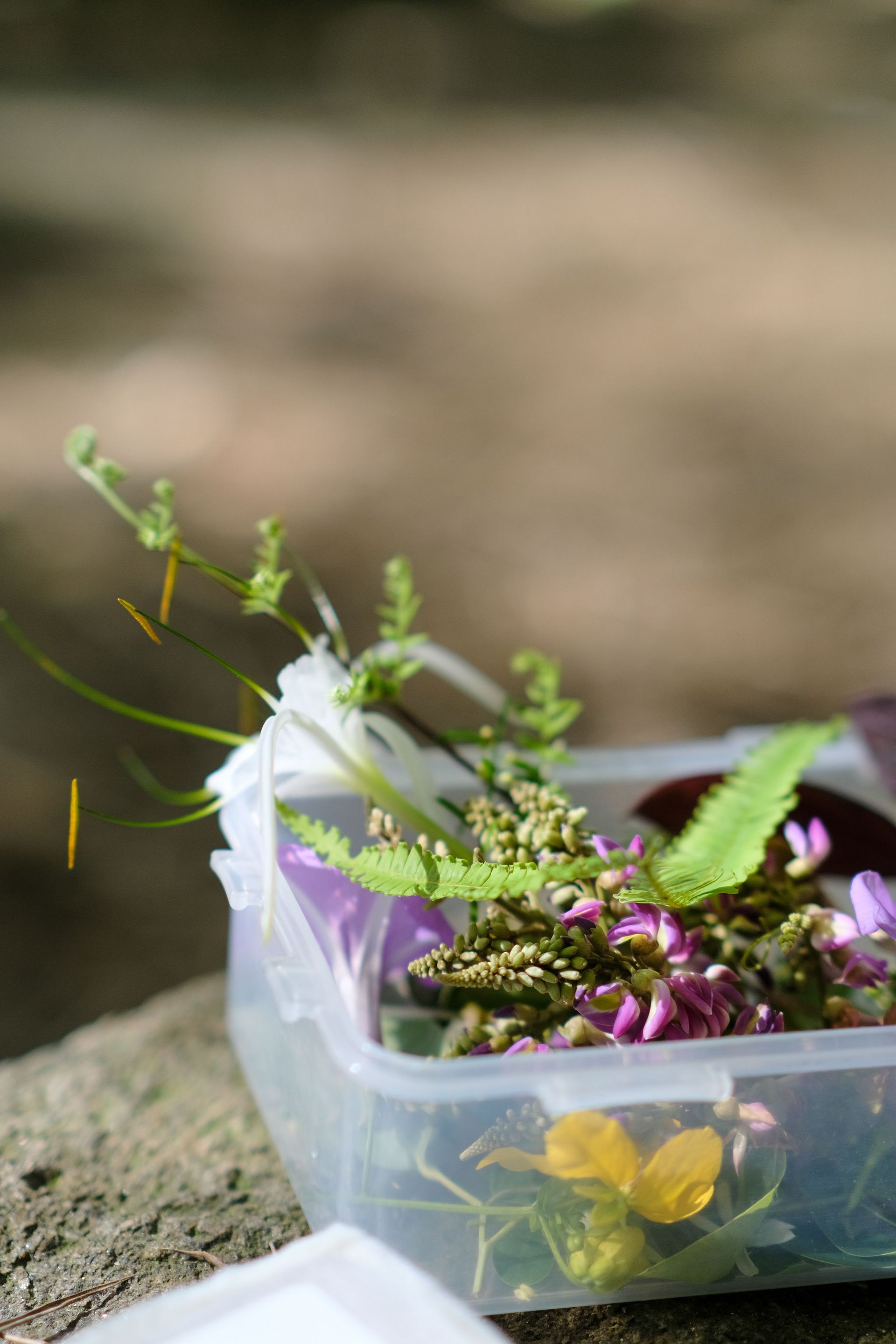
In the midst of Nature's abundance at the onset of Summer, a wonderful passtime or hobby for the month of June that can be enjoyed on your own, as a group or especially with children, is flower and leaf collecting, pressing and creating art.
The magical thing about this form of creativity using Nature's treasures is that it doesn't cost anything to preserve a cut a flower which normally lasts around 7 days. When you press a flower, it can last forever and provide a wonderful material from which to create your own original artwork or other memorabilia that can be kept for a lifetime.
I have always loved collecting flowers and leaves - so much so that they tend to fall out of old books, having long forgotten about them. It immediately takes me back to the memory of picking the flowers and pressing them to discover one day in the future. I have continued to collect flowers and leaves that catch my eye when I am walking to bring home to press naturally over a period of time. It's fun to see how well they have dried, and how well they have kept their colour and shape through the drying process.
You can store your dried items in boxes or special containers in a dry place at room temperature to ensure you have a constant supply of pressed treasures for creating cards, pictures, herboriums and other creative artworks through the seasons.
Remember that there are certain laws and regulations in place to protect wildflowers in the British Isles, especially if they are endangered species. These must be abided by so it is important to familiarise yourself with the wildflowers to avoid. Schedule 8 of the Wildlife and Countryside Act 1981 contains the full list which you can refer to.
Pressing flowers, seeds and leaves is a healthy pursuit that everyone can enjoy and for good reason:
- It encourages you to get outside, to be observant and to appreciate Nature.
- It gives you the pleasure of displaying dried and pressed flowers around your home.
- It provides the chance to get creative with composition and artistic application.
- It's a gentle process that encourages you to slow down, relax and allow your creativity to flow.
Create a bird-bath hub
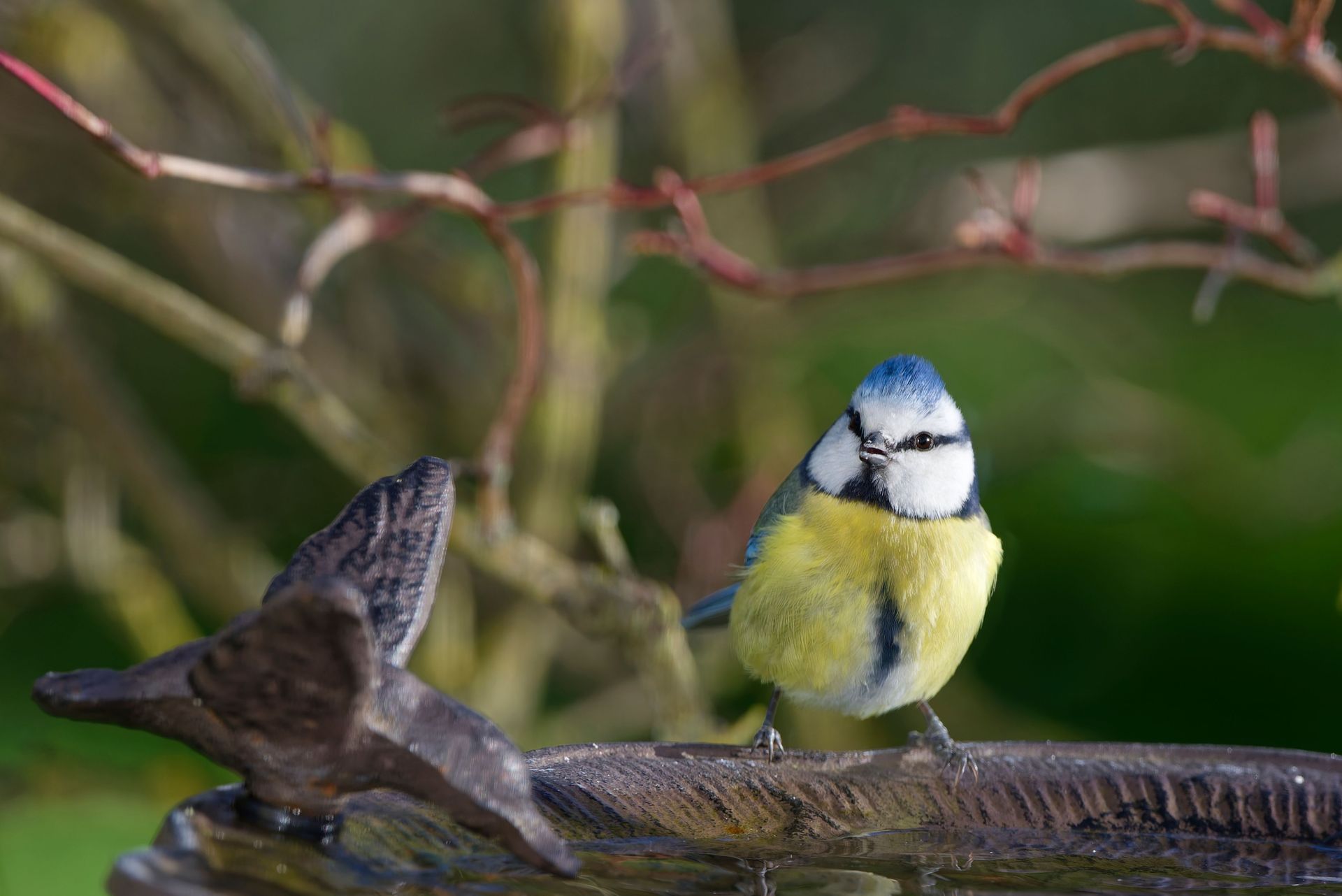
I would love to have a large bird-bath in my garden but its too tiny so I make do with small bowls of water which are used mainly by the Wood Pigeons and various insects for drinking purposes only. A bird-bath under normal circumstances however, is a wonderful way to invite garden birds and songbirds to into your garden where they can wash off their dusty feathers and cool themselves down in the heat of the Sun.
It is important to remember that different wild birds have completely unique diets, beak shapes and foraging habits, and this dictates the foods they prefer to eat. To attract different birds into your garden, it is best to avoid leaving out processed foods that can be harmful to them and offer them exactly what they naturally eat in the wild.
Robins
Robins will return to the same garden year after year to breed and forage for food. Despite their short lifespan, they are very loyal to territories that provide reliable food and shelter which is passed on through future generations.
Blue Tits
Blue Tits occupy many varied sites to build their nests including holes in pipes, lamp standards (street lights) and post boxes. Gardens provide food and potential nest site cavities in trees, old walls and garden nestboxes too.
Sparrows
Sparrows are opportunist feeders who have short wings and are not strong fliers. This means they prefer feeders which are placed near small trees, dense shrubs, hedges and ivy where they can quickly dart into cover.
Blackbirds
Blackbird nest in shrubs, trees, climbers and even inside buildings. The females like to build them low down with appropriate cover and prefer open fronted nestboxes with nests taking up to two weeks to be fully assembled.
Wrens
Wrens are incredibly rare to spot, even though they are among the most common breeding birds in the British Isles. This is because they are so tiny and they dart through dense vegetation and leaf litter with a mouse-like speed.
Dunnocks
Dunnocks are discreet and slender with soft brown and grey feathers that can sometimes be seen scurrying under hedges. They are primarily ground-feeding brids so you are more likely to see them foraging under the feeder.
Goldfinchs
Goldfinches are highly colourful with their bright red faces and yellow-and-black wings. They are frequent visitors to garden bird feeders and as they travel in flocks (or charms), you will often see several crowding a feeder at once.
I hope you enjoy making the most of Nature through June for your good health, happiness and wellbeing. I look forward to seeing you here for the next Almanac on 1 July 2026.
Sue Cartwright
Spiral Leaf
Thank you for sharing!
for you, for me and for Mother Nature
Latest Posts




All Posts