Pottering: A Cure for Modern Life by Anna McGovern
A delightfully succinct and entertaining book about the art of pottering
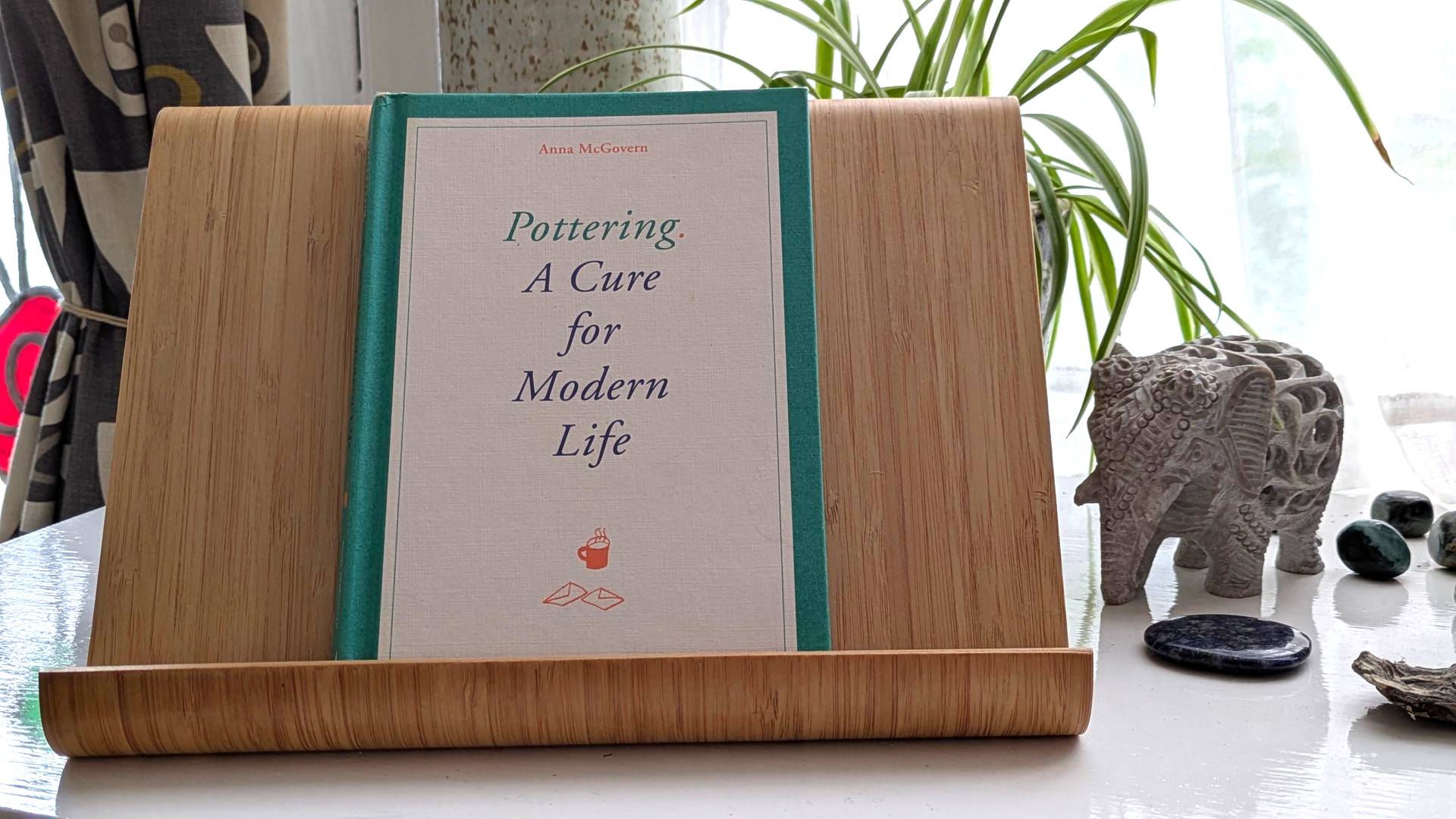
I first read this gem of a book back in November 2020 when I was doing more pottering than I thought was good for me until I was was reassured that it is actually a good thing. As Anna McGovern so rightly says, pottering is not glamorous but the consequence - a feeling of relaxation and contentment - is usually achieved when you make do with what you've got, get moving but don't go too far, don't try too hard and keep it digital-free.
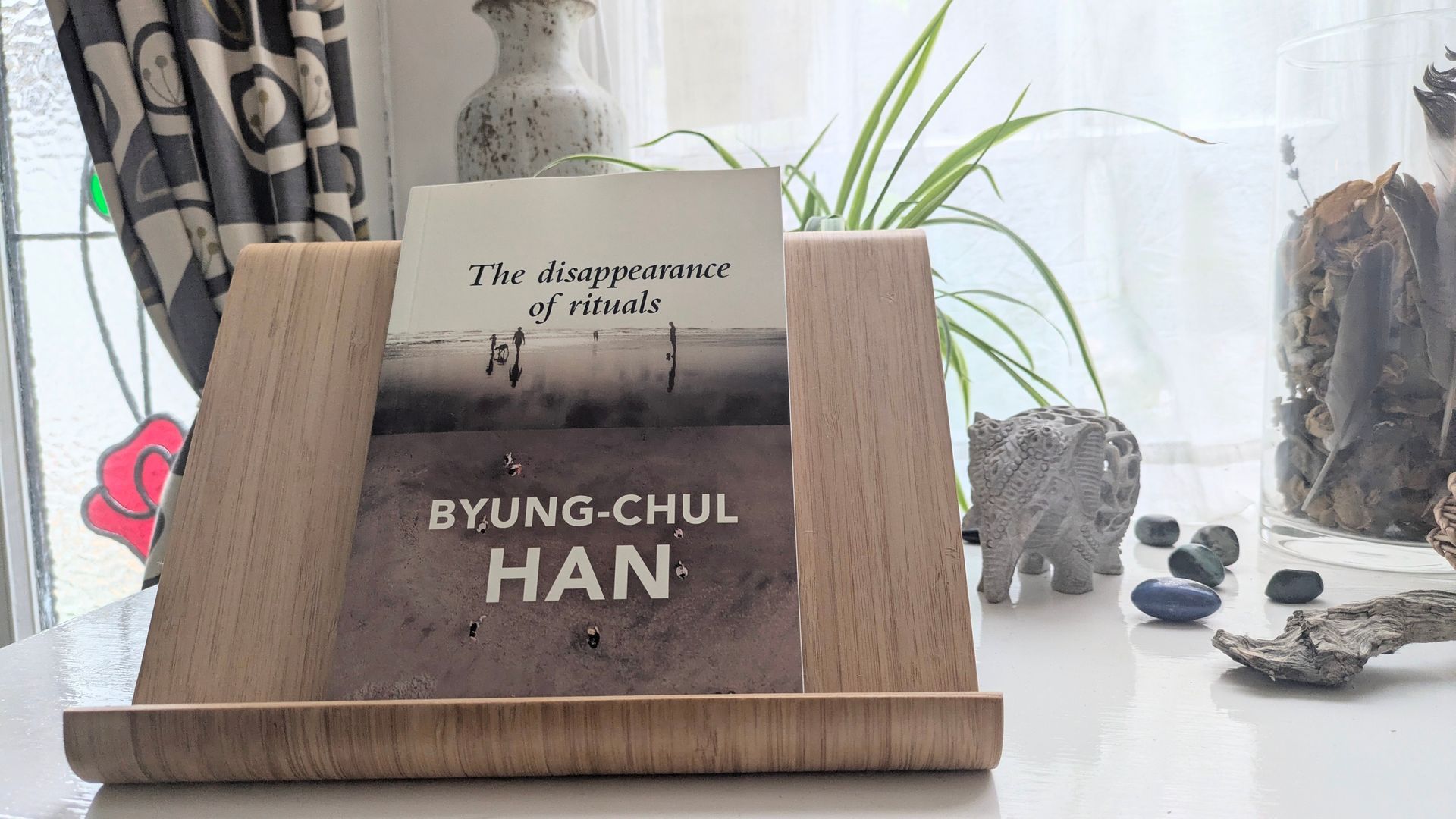
I realised why I found Pottering: A Cure for Modern Life so comforting almost six years ago as it ties in nicely with a book I read recently called The Revenge of Analogue which revealed the rising and 'hidden' trend of human beings going back to doing things the old fashion way as a means to engage with oneself and fellow human beings more creatively. It turns out that such essential human needs cannot be satisfied by digital and social media alone.
I wanted to share some of the lovely observations and ideas presented in this book because it feels like the right time and ties in very well with our mission to spend more time doing natural, traditional things in harmony with Nature when we allow ourselves to relax and let our creative imaginations flow.
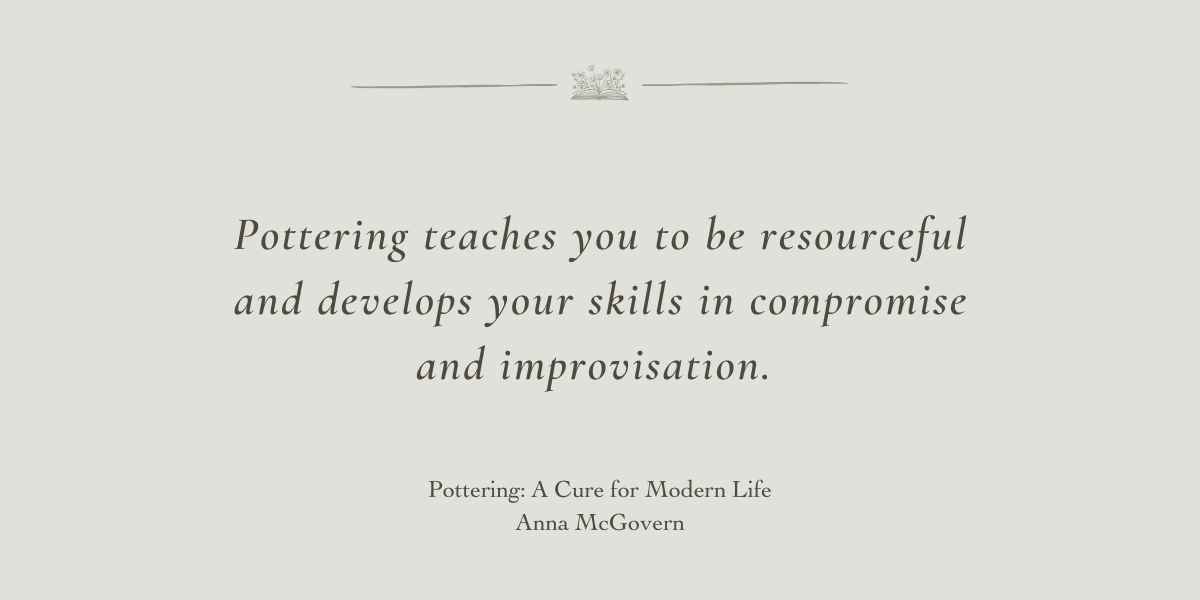
Pottering principles
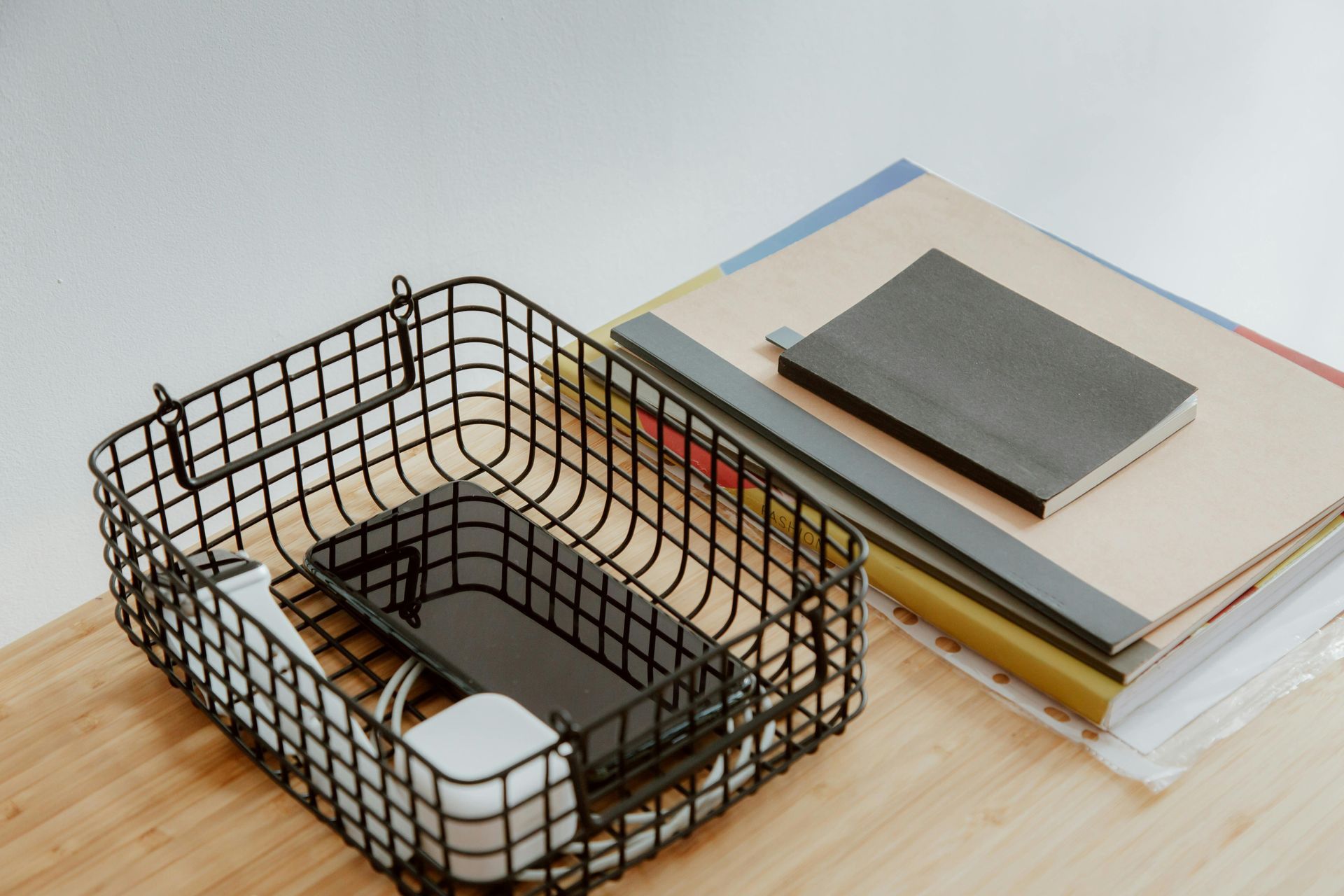
I love the matter of fact style of this book and the dry humour which I have captured in some of the quotes. A good examplebeing: A 24-hour box-set marathon on the sofa is not pottering. Chillaxing with your phone is not pottering. However, you can enjoy in-between time by having a look out of the window.
Anna describes five principles of Pottering and my favourites are:
Making do with what you've got
This includes, delightfully, things like - having a nice sit down, rummaging, moving things around and re-organising things in cupboards.
Not trying too hard
This includes things like flexibility (one thing at a time or several things at once), small jobs (that are unimportant but satisfying to complete), leaving things to soak (nice), sorting (always), fixing (mmm, not so much), cleaning (the all or nothing kind), checking things (or trying to find things) and/or wandering off into areas of activity that you hadn't nor wouldn't normally think of.
Getting into the flow
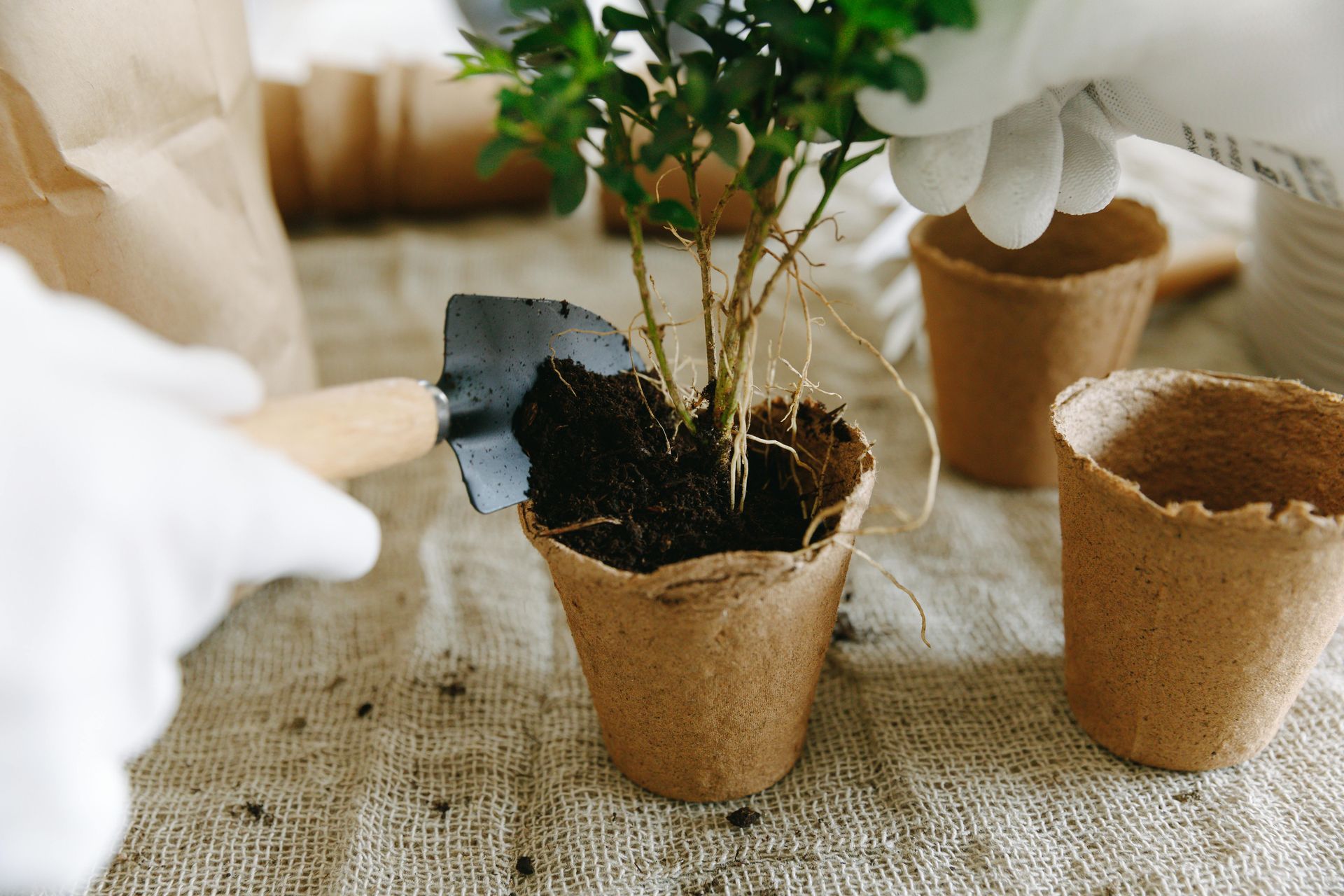
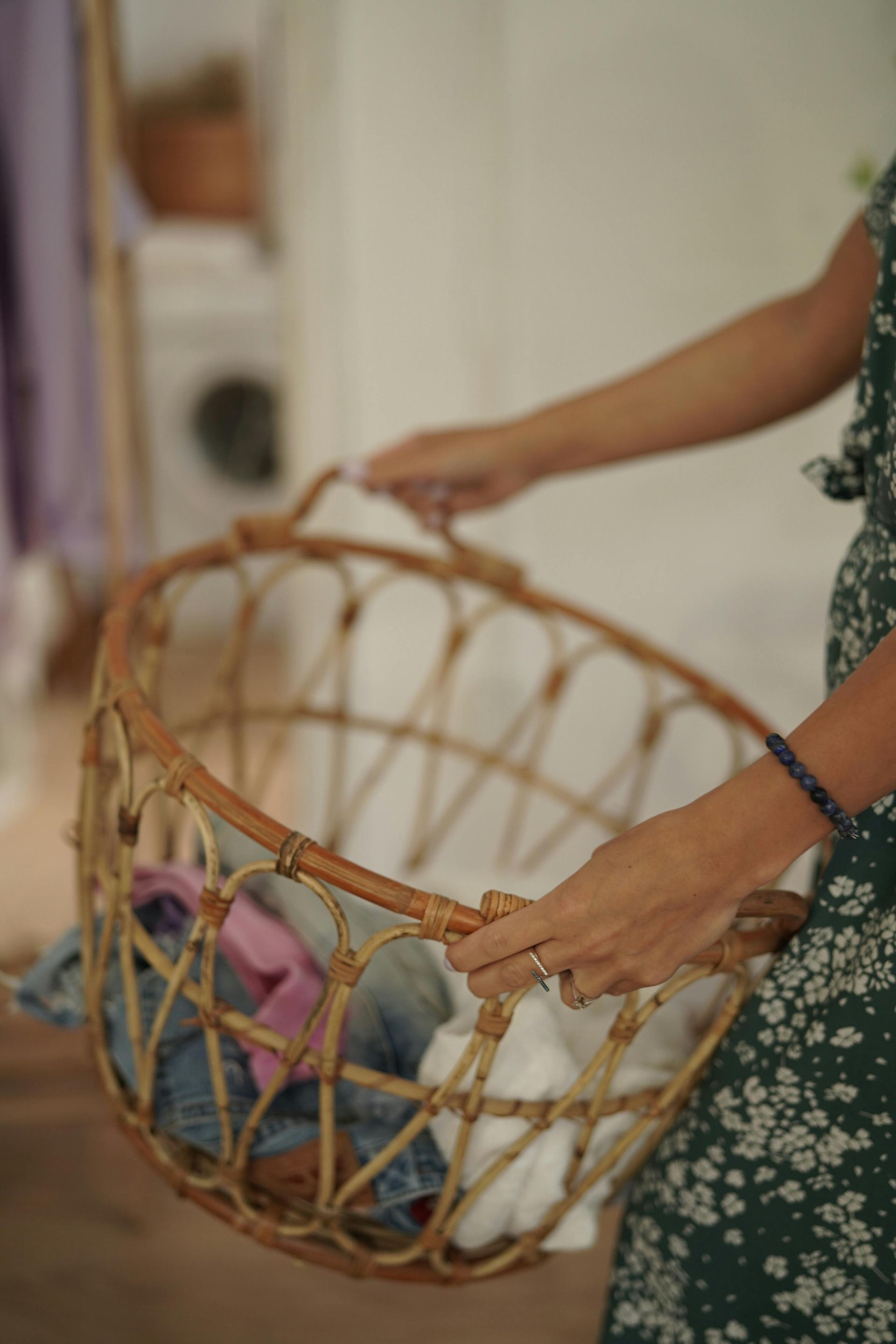
Movement is a very important part of pottering when often the tiniest of actions can lead to a continuous flow of activity when time passes by without a feeling of pressure or commitment. It's when one simple endeavour gently leads to another until we find we have pottered our way through folding the laundry, washing up the dishes, feeding the animals, watering the plants, re-arranging the airing cubboard and making a cup of tea.
The satisfaction factor, when you do finally stop after a good run and sit down for a moment, is through the roof. This is apparently recognised as 'orderly pottering' when things you need to get done, get done, without it seeming like a chore.
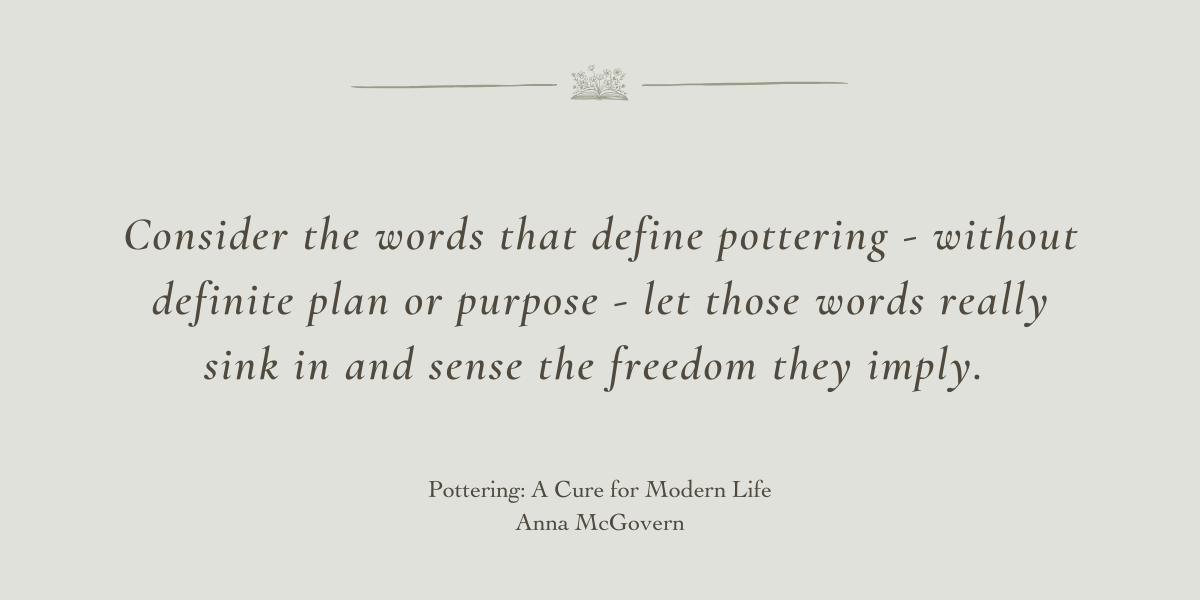
Pottering ideas
A whole chapter is dedicated to ideas for pottering that you will be familiar with or perhaps hadn't thought of before.
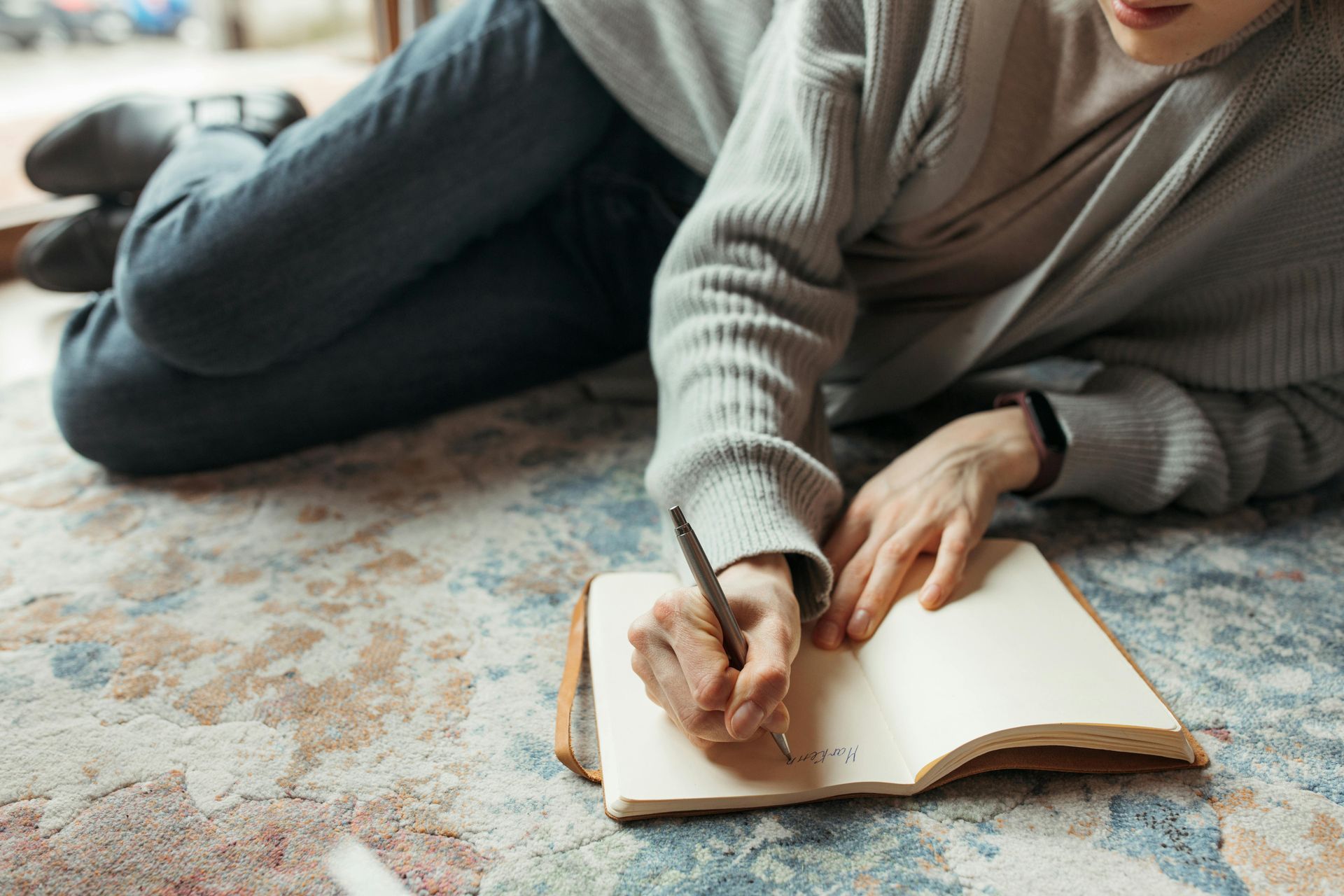
This includes some lovely ideas that we all need to be reminded of from time to time. Things like reaching out to talk to friends and family rather than sending a text or email, making a card or writing a postcard to someone who means a lot to you, reading a book or an engaging story, writing a letter by hand, making a list (or lists), writing or sketching in a journal, listing to the radio or planning a walk using an old fashioned ordinance survey map.
Another chapter suggests ideas for pottering through the seasons with things to do in Spring, Summer, Autumn and Winter. Keep an eye out for my
Welcome Almanac posts and things to do in Nature each month for ideas on how to hang out with Nature and make the most of the natural world at any time of the year.
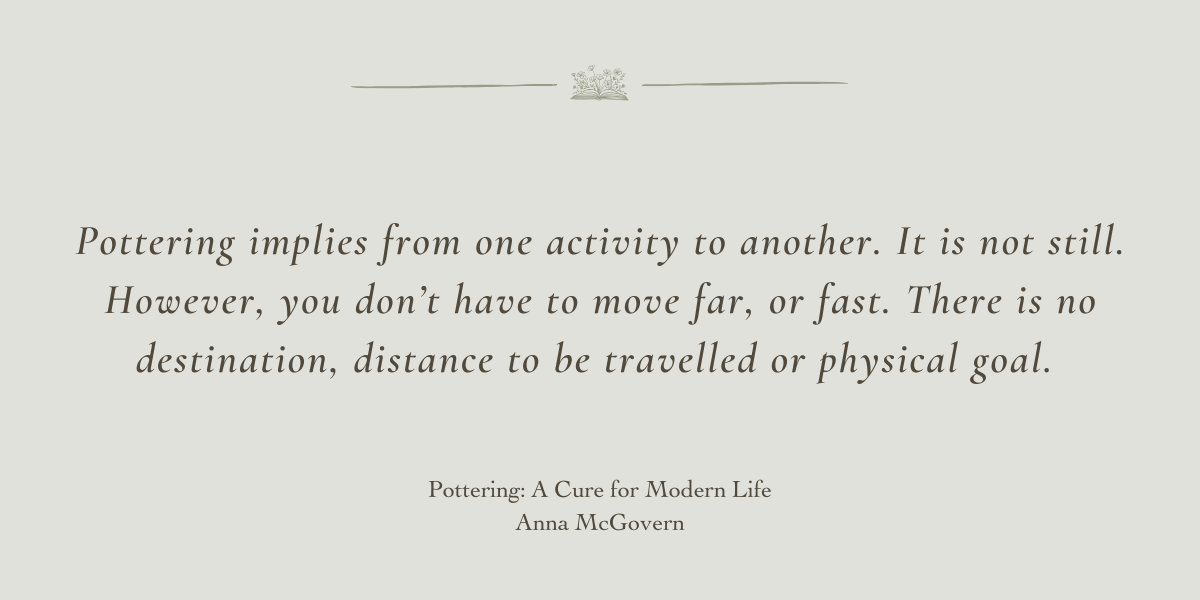
Pottering postscript
While there is no guarantee that pottering will change your life, as Anna says, it allows you to have control over your own circumstances, letting you become free from the tyranny of demands on your time. It gives you the freedom to do as you will without forthought and without any kind of agenda.
It might seem counter-productive with so much emphasis on goal setting and the importance of achieving maximum efficiency and productivity as a rule of thumb, but here's the thing - being non-comittal puts you in control because you do have to plan and make a concerted effort - to do not very much.
As Anna says, you end up doing the unimportant, boring and unnecessary things inbetween the serious activities that don't belong in pottering days. Just as time spent on the computer sorting out finances and utility bills does not belong there either. Anna suggests using velocity to get the big tasks out of the way with the aim of slowing right down to 'have a nice sit down' later.
MIcro-pottering and things like 'having a think' while looking out of the window or even better, daydreaming' for a while, can be counted as pottering. As can taking a short break, sharpening pencils, having a gentle stretch or making yet another cup of tea.
The idea is to keep moving seamlessly into the next thing (or not as the case may be), and to remember that pottering is not the same as procrastination. It's often the first activity that will lead you out of procrastination. Whether pottering only for a few moments or gifting a greater length of time to perfect this eloquent art, allow yourself the space to appreciate the small things, be kind to yourself and embrace the moment to celebrate life for what it is right now. This in itself is healthy and something we should all do a lot more of.
Pottering: A Cure for Modern Life is a perfectly easy and upifting Summer read (see links below) which I hope you will enjoy.
I look forward to seeing you again soon.
Sue Cartwright
Spiral Leaf
Buy the book!
Pottering: A Cure for Modern Life by Anna Mc Govern
The Revenge of Analogue by David Sax
Clicking on the above link will take you to my online bookshop where Spiral Leaf may earn a small commission on books sold at no extra cost to you!
Thank you for sharing!
for you, for me and for Mother Nature
Latest Posts


All Posts