Things to do in Nature in July
Ways to enjoy the abundance of high Summer days in Nature

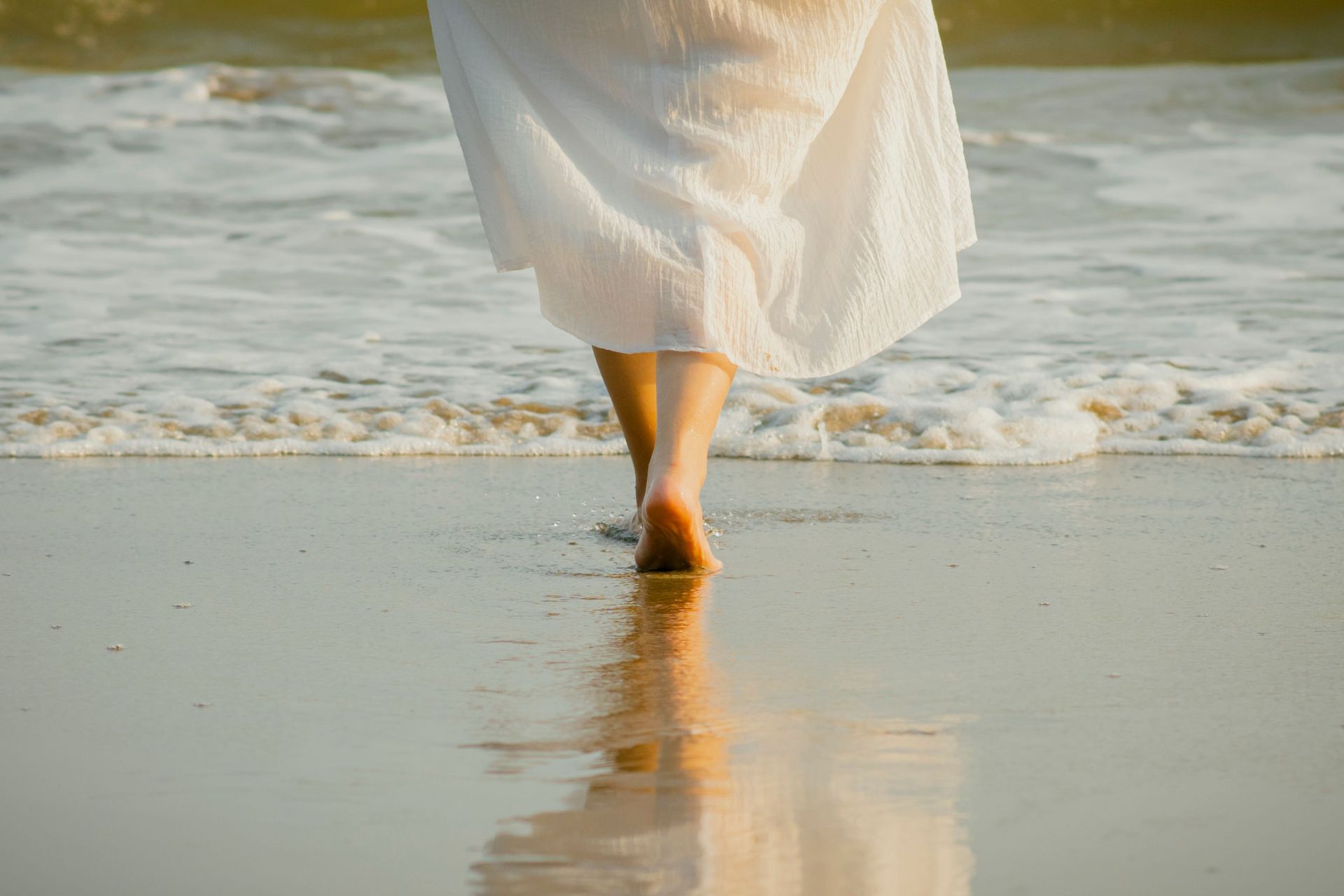
Walk in bare feet
There are many benefits to talking a stroll on cool grass or on a sandy beach in bare feet on a hot, sunny day.
Walking on grass or other natural surfaces is also known as Earthing or grounding. This is because direct physical contact with the Earth's surface and your skin promotes physiological and psychological health. The scientific basis lies in its potential to reduce inflammation, improve sleep and enhance emotional well-being as the Earth's surface possesses a negative electric charge. When our bodies make direct contact with the ground, electrons from the Earth help to neutralise free radicals and lower stress levels. A study published in the Journal of Environmental and Public Health - Earthing: Health Implications of Reconnecting the Human Body to the Earth′s Surface Electrons - concludes:
Emerging evidence shows that contact with the Earth—whether being outside barefoot or indoors connected to grounded conductive systems—may be a simple, natural, and yet profoundly effective environmental strategy against chronic stress, ANS dysfunction, inflammation, pain, poor sleep, disturbed HRV, hypercoagulable blood, and many common health disorders, including cardiovascular disease.
Walking in sand has the same effect with added benefit that this requires greater effort and more muscle power than walking on a hard surface. It provides a gentle workout for your muscles and tendons which in turn strengthens your feet, toes, ankles and calves, and improves overall balance.
Walking with bare feet on the beach provides the opportunity to breath in negative ions naturally created by the ocean waves, salty air, sunlight and Earth's natural radiation. This negates the impact of positive ions generated by electronic devices and things like fluorescent lighting, confined indoor spaces and air pollution.
Make a Solitary Bee B&B
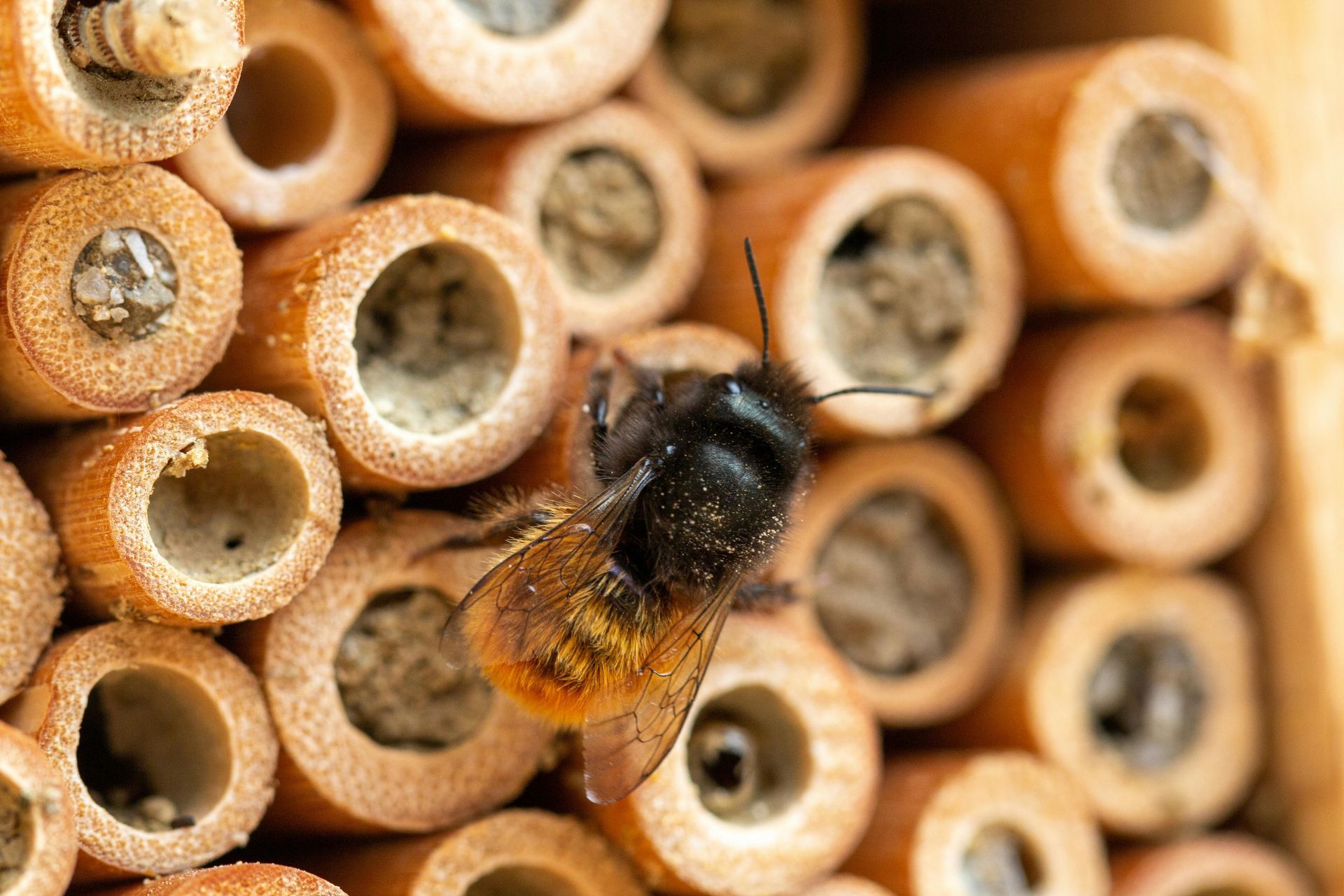
Solitary Bees make up over 90 percent of bee species found in the British Isles. Unlike Honeybees and Bumblebees, Solitary Bees do not live in colonies with ‘worker’ bees. Rather, a single female builds and provides for her own nest using mud, leaves, body and floral oils as their nesting materials. Solitary Bees include Mining Bees, Leafcutter Bees and Mason Bees – all of which benefit from a well-constructed hotel or B&B, especially in urban areas or where natural deadwood and hollow stems have been cleared away.
Making a Solitary Bee B&B is a creative project that can be fun for the whole family to provide long-stay accommodation for a bee to live and raise her family in the safety of her own sanctuary. Here are the steps on how to make a Bee B&B in a glass or ceramic jar.
- Gather or buy hollow canes cut to fill a large glass or ceramic pot.
- Cut the cane length to just under the height of the pot opening.
- Fill the pot with canes and fill any gaps with leftover sections until the canes are tightly packed together.
- Find a sheltered, sunny spot and make a sturdy base for the pot with stones.
- Place the pot slightly downwards to allow rainwater to escape.
- Your bee hotel is now ready for guests to move in.
A single hollowed out cane tube can house several growing bees. Single eggs are laid in a cell separated by walls built out of mud or plant materials. The number of cells will depend on the length of the cane tube.
SOURCE: Natural History Museum: How to Make a Bee Hotel and for alternative methods using recycled materials and wood, Hannah provides step-by-step guides in her article -
Make A Solitary Bee House - on the Kew gardens website.
I hope you enjoy making the most of Nature through July for your good health, happiness and wellbeing. I look forward to seeing you here for the next Almanac on 1 August 2026.
Sue Cartwright
Spiral Leaf
Thank you for sharing!
for you, for me and for Mother Nature
Latest Posts




All Posts