Things to do in Nature in August
Ways to enjoy the abundance of late Summer days in Nature

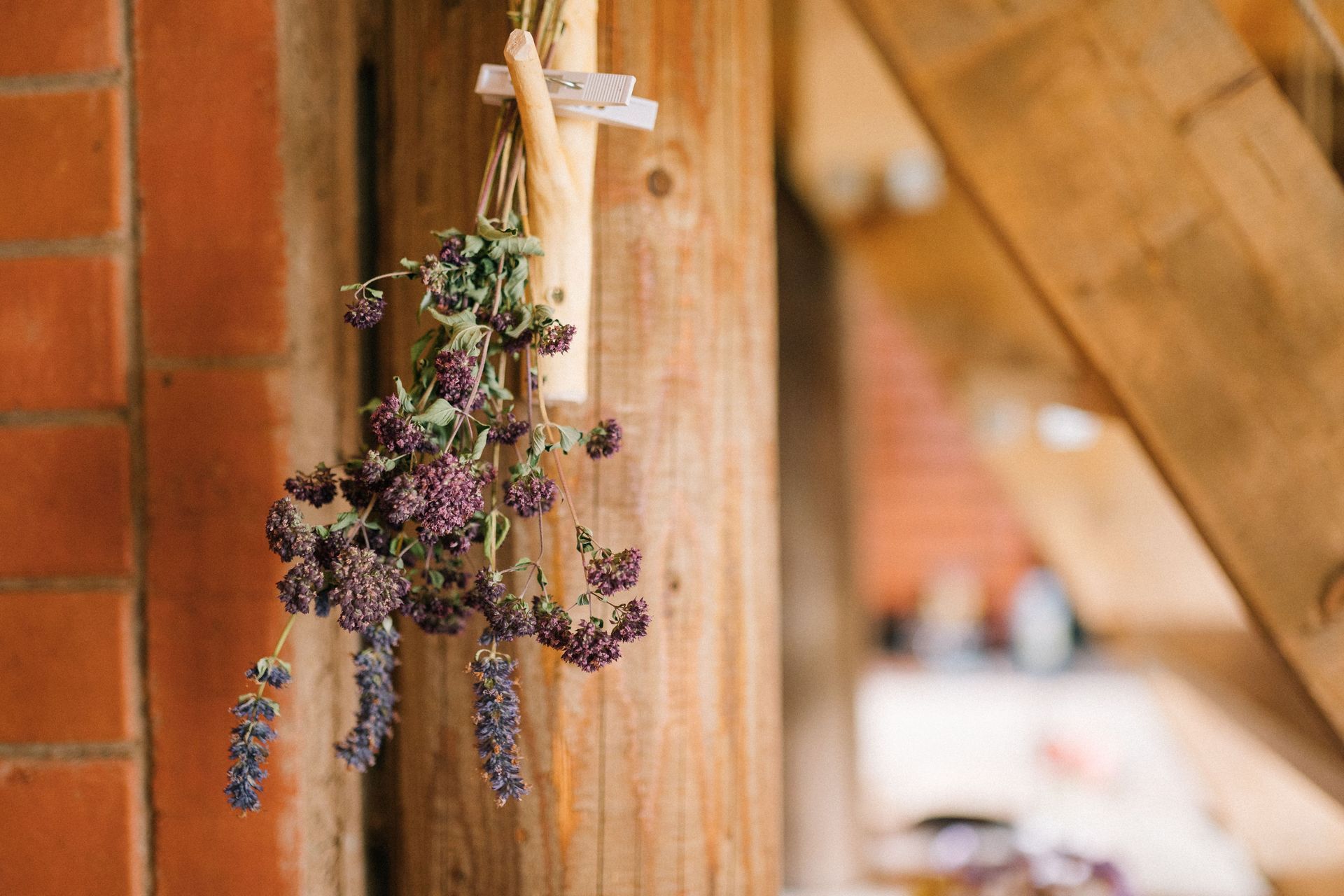
Drying Herbs and Flowers
One of the best and most simple ways to dry bunches of flowers and herbs to retain their colour, essential oil and flavour is natural air drying.
This is very easy to do and does not require any special equipment - just follow these steps:
- Pick bunches of flowers and/or herbs when they are coming into flower and are at their most potent.
- Shake to remove any creatures that might be lurking in the foliage and wash very gently to remove any dirt.
- Give them a spin in a salad spinner or pat them gently with a towel to dry.
- Remove lower leaves from the stems to create a couple of inches of bare stem at the bottom of each sprig.
- Gather into bunches and tie securely with string or natural garden twine around the bare stems.
- Hang upsidedown from a high shelf or washing line or place on a drying rack where they can be kept cool, dry and dark and left to dry naturally.
- Make sure each sprig is completely dry before storing or used to decorate/freshen your home.
For more information, I found this lovely post called
The Easiest Way to Dry and Store Herbs from the Garden by Gardenary with best herbs to dry, how to dry them and which ones to used for herbal teas.
Picking and Preserving Fruit
Making jams, pickles and jellies is a wonderful way to spend time with loved ones in August when delicious ripened fruits can be preserved to enjoy through the Winter. There are many different fruits that can be preserved in various ways (or made into pies and puddings for freezing). Last year, I wrote about making Sweet and Wild Rose Hip Syrup and this year, the focus is on one of our most abundant wild fruits - the Blackberry.
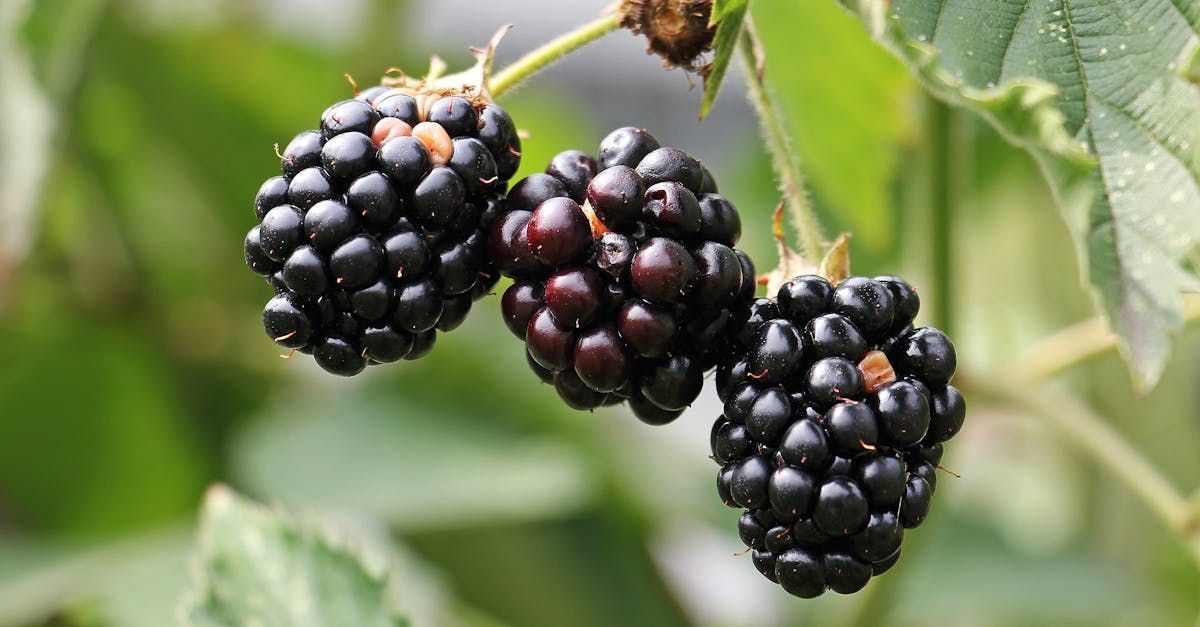
August marks the beginning of the Blackberry foraging season. These nutritious fruits can be frozen as they are, preserved in jams and jellies, or eaten straight away in a mixed fruit salad, sweet pies, ice creams and desserts.
Balckberries are super-nutritious as they are packed with vitamins C, E, A and K, antioxidants and essential minerals including magnesium, potassium and manganese. The anthocyanins in Blackberries create their dark colour and their fibre content promotes healthy digestion, making them a great part of any healthy diet.
When foraging for Blackberries, watch out for the plentiful thorns and choose fruits that have a deep, rich colour, and fall easily off the stem. While the Bramble shrub can be a bit aggressive, don't forget that they are a vital resource for wildlife and the natural ecosystem. The berries provide a delicious treat for birds, animals and wildlife during the Autumn months just as their pretty pink and white flowers provide nectar for butterflies and other pollinators in early Spring. Their rough and tangled spiky stems provide welcome protection for hedgehogs, dormice, birds and other wildlife.
Blackberries are delicious treats – for people and wildlife - so when you go Blackberry picking, choose areas of abundance and remember to leave some for the birds, animals and wildlife that depend on them.
I hope you enjoy making the most of Nature through August for your good health, happiness and wellbeing. I look forward to seeing you here for the next Almanac on 1 September 2026.
Sue Cartwright
Spiral Leaf
Thank you for sharing!
for you, for me and for Mother Nature
Latest Posts



All Posts