Of Briar and Thorn by Paul Lamb
A wonderful story of land husbandry, traditional values and artistry
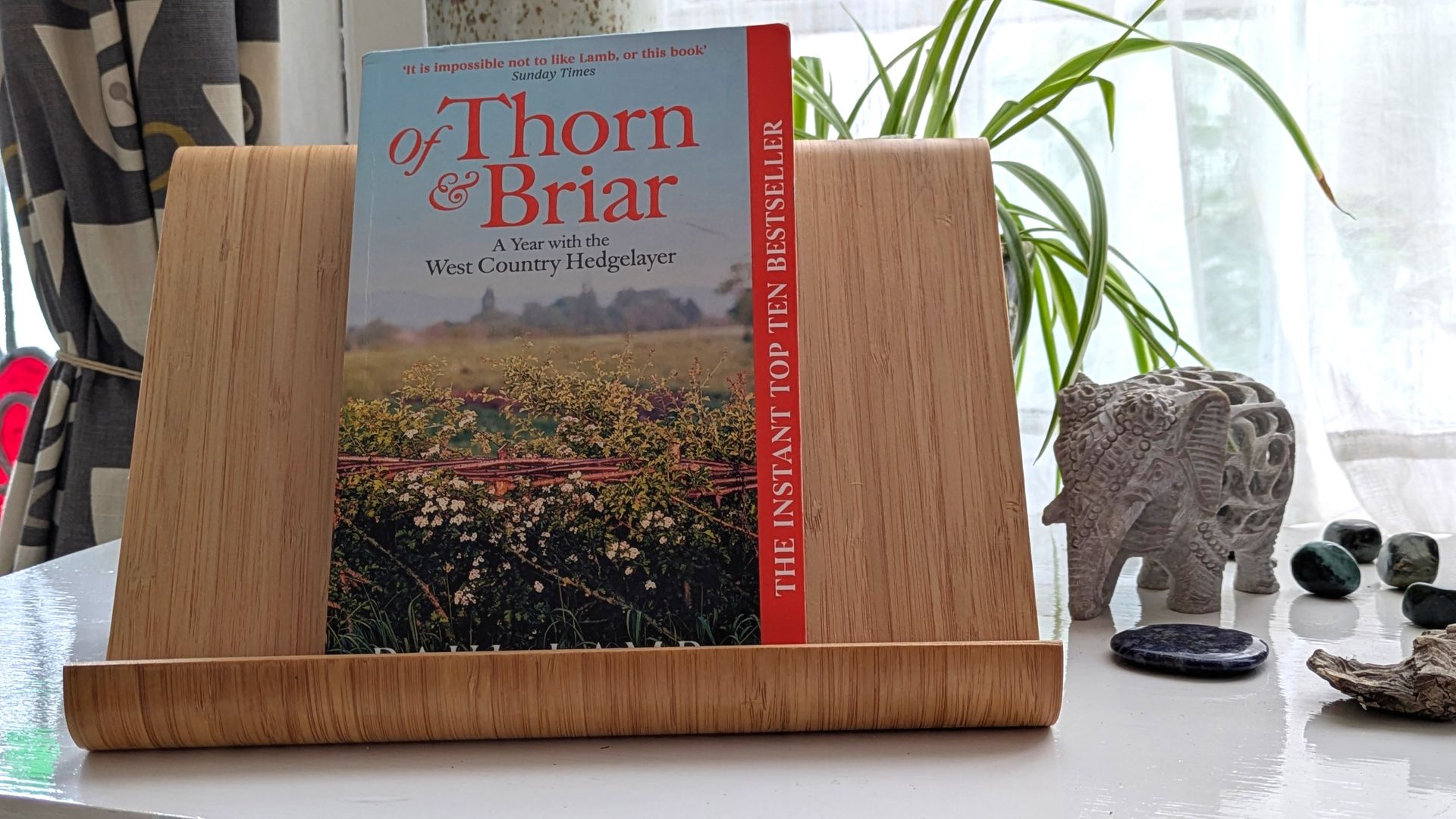
I love books written by apprentice-trained artisans and masters of traditional rural skills such as hedge laying, coppicing, thatching, haymaking and stone masonry. Paul Lamb is one such artisan who travels the West Country in his wagon laying and replenishing hedgerows, and enabling them to thrive. The exquisite descriptions of natural life in action in the remote fields of our countryside never fail to delight and bring us closer to Nature with every word.
There are different styles of hedgelaying across parts of the British Isles. Each style has been developed over many years to cope with the climate of the area, different farming practices and the type of trees and shrubs that grow naturally in the hedge acting as natural markers and sighting targets for farmers to achieve straight lines while ploughing.
Hedges consist of different species of trees and bushes including Hawthorn, Blackthorn, Hazel, Oak, Sycamore, Ash, Field Maple and others. So they need to be treated by different techniques which gives rise to the many varied styles across the country.
The National Hedge Laying Society list the most popular Hedgelaying Styles out of more than thirty in the British Isles:
- Cheshire - no binding with string traditionally used to tie the pleachers to the stakes.
- Derbyshire - pleachers woven both sides of the stakes and the brush placed to the livestock side of the hedge.
- Dorset- bonds used to secure the hedge internally and by hooping over it externally if required.
- Devon - laid on top of a bank with pleachers laid horizontally and in contact with the ground.
- Lancashire and Westmorland - brush evenly placed to both sides, from top to bottom with no gaps at the base.
- Midland Bullock - made to withstand the weight of heavy animals pushing against it such as cattle and horses.
- Montgomeryshire - topped with long branches woven around the stakes known as plaiting.
- North Somerset - a low, dense hedge to contain cattle and sheep, pleachers held in place by side branch stubs.
- South of England - a strong double brush with the brush (smaller, dense branches) left on both sides.
- Welsh Border - a sloping stake feature is a common trait of the unique Welsh hedgelaying style.
- Yorkshire - no brush on either side, with the stems laid directly over the stools.
Autumn
The story begins in the month of August and follows the months of the year as Paul drives his wagon across the West Country, travelling between little-known farms and small holdings nestled well off the beaten track.
It is in the shortening days of Autumn when the September mists return and the morning dew settles on the pastures once more, that the hedger begins his work. This is becuase the plants of the hedgerow begin to fall dormant as they draw the nutrient-rich sap into their roots before eventually casting their leaves to the November gales.
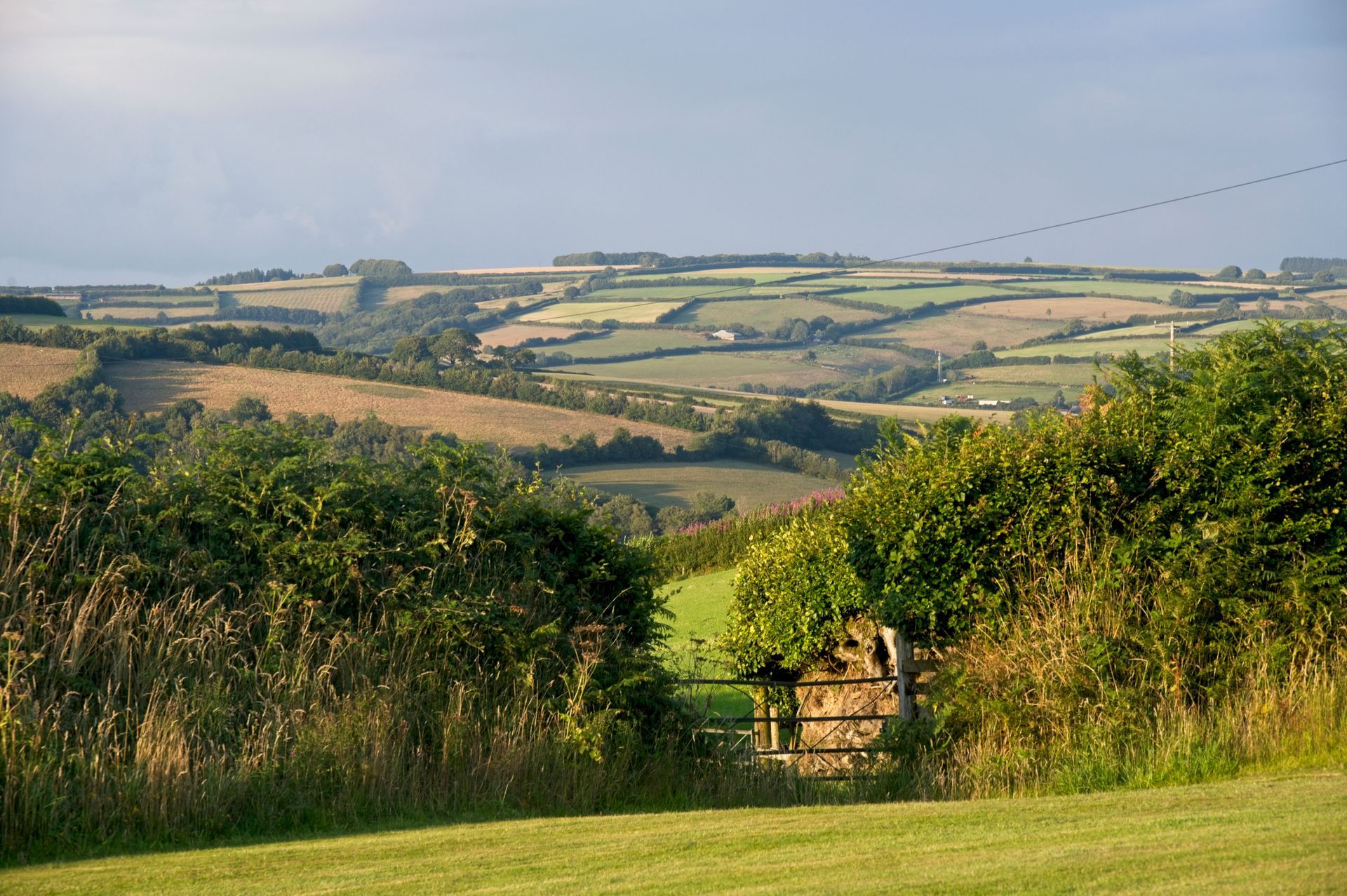
Paul explains how millions of acres of pastures were divided into many thousands of miles of hedgerow during the enclosure movement, resulting in the lush green lowlands of Britain being gradularly transformed to become the instantly recognisable patchwork of small fields and meadows for which the countryside is known - a land enclosed by thorns and briars. For many centuries the maintenance of the courtryside's hedgerows was an essential part of the farming calendar, however, in recent decades, with agriculture becoming more intensified, the hedgerows have dwindled alongside the hedgers who build and maintain them.
Paul tells us how the field boundaries are more than living fences, they preserve a great deal of our farmland wildlife, the songbirds and invertebrates, as well as smaller mammals who have come to rely on these arboreal arteries that link much of our remaining woodlands and enable safe passage across open pasture.
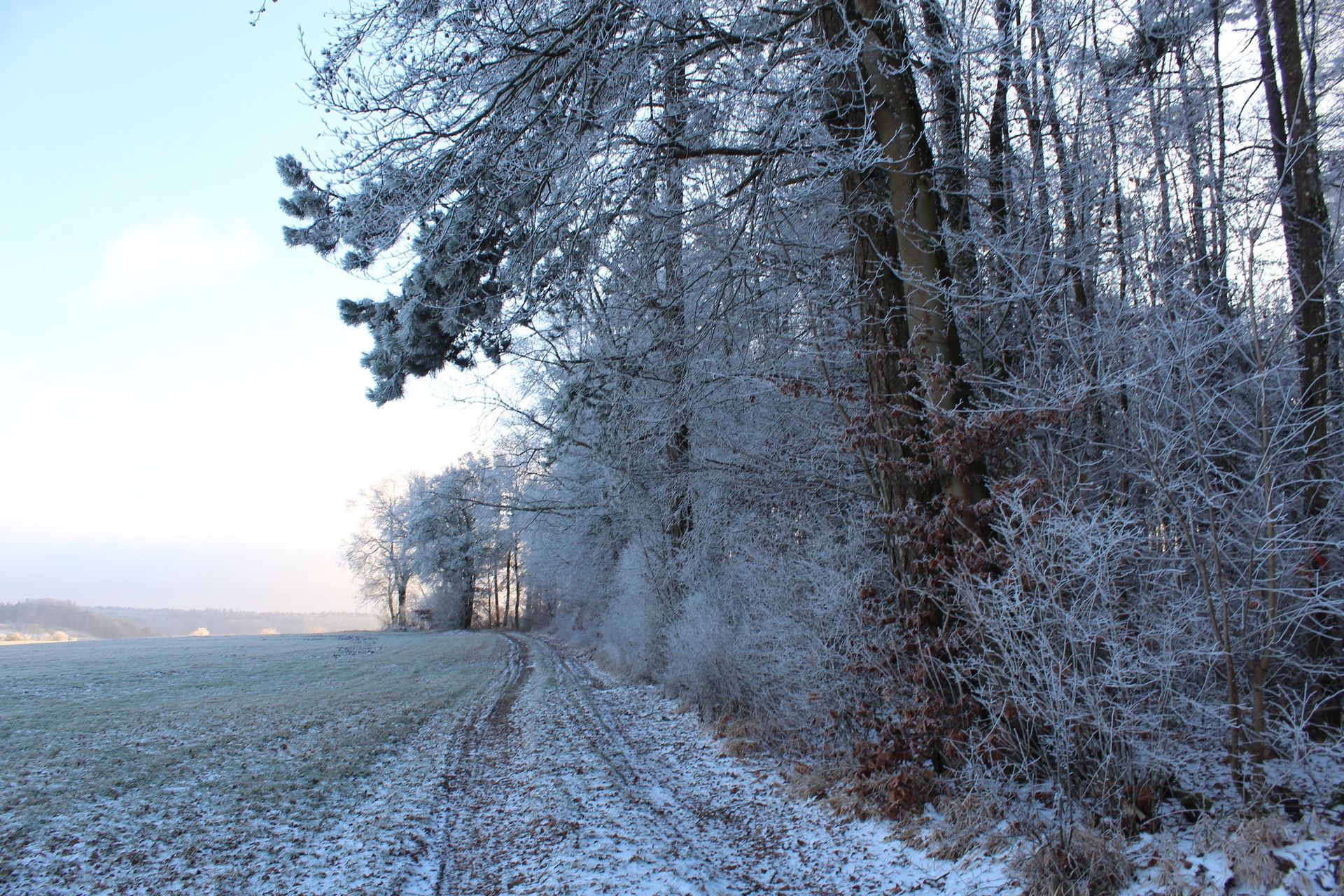
Autumn brings a shift in the quality of light, as the Sun casts long shadows as the farmers prepare bedding in the sheds for the cattle to keep warm during the cold Winter months.
Winter
Working in the fields at the onset of Winter often meant taking shelter under the old Oaks where Paul would light a small fire to boil water in his old kettle and make a hot cup of tea. He was often accompanied by a Wren and a Robin who would follow him around - the Robin most confidently and the Wren more cautionsly - to pick through the leaf litter being disturbed at the base of the hedgerow.
Paul returns to his wagon at the end of a satisfyingly yet tiring and long day laying on average a chain of hedgerow. This equates to sixty-six feet of cleared deadwood, cutting, pruning, chainsawing, pleaching, lining stakes and binding. A combination of remarkable skills that resilt in the most exquisite (and straight) lines of hedgerow, sometimes stretching out as far as the eye can see.
At this time of year at the end of the day, the first task is to light a fire and cook a simple yet wholesome evening meal to eat quietly accompanied by a small battery-powered radio. A large worn arm chair provides comfort with the awareness that working outdoors keeps you fit for a long time, and then ages you very quickly. It's a question of keeping fit and preserving strength to ensure that work can continue to many years to come.
Spring
We all love the onset of Spring and so it is for those working outside in the countryside where the Blackthorn blossom is the first to flower in the hedgerows, fields and woodland areas. With the hedging season behind him for the next five months, Paul helps oout on various farms and undertakes several contracts installing wattle fencing.
This is where specially prepared Hazel rods are woven between upright stakes to create a continuous barrier that flows with the contours of the ground on which it sits. The style is similar to the Hazel sheep hurdles that were produced en masse to create pens for sheep in the heyday of the wool trade.
Paul travels to the ancient oak woodlands of Hampshire to buy his Hazel rods where this malleable wood is still managed for the rural craftsman, for the hedger and the hurdle maker, thatcher and basket maker. Wattle fencing is often in demand in the West Country where it is particularly attractive when flowing through an undulating garden where the curves and waves accentuate the natural fuildity of the Hazel.
Paul paints a beautiful picutre of the most abundant month of the year:
During the month of May, perhaps more than any other, Nature shows us this unwavering consistency and reliability in its timeless cycle of return: the hypnotic dance of the Mayfly, the blossoming of the Hawthorn, the Swallows streaking wildly across the water meadows, events that have repeated for millennia, alongside the humans who have also worked in unison with Nature's year.
Summer
With the Hawthorn flowers are all but gone and the Dog Rose now blooming alongside the Elder, pollinators are gathering in large numbers in the hedgerows and all thoughts turn to the hay mowing season. Paul waits with his farmer friend and a crew of helpers for a clear window that would see them mow, dry and compress the Summer grass into small bales that would then be manhandled into a Dutch barn during the cooler evenings.
This provides Winter feed for the cattle and sheep on the farm with some sold to local equine yards, so a successful harvest was of great importance to all involved. With the hay cut and baled in the field, Paul had been watching the Swallows streaking above the cut hay and feasting on the insects that had strayed from the safety of the hedgerow and now hovered beneath open blue skies.
With the hay tightly packed straight-sided to the arched roof of the barn, Paul reflects on the importance of life's small but finest pleasures. A cup of tea that was always enjoyed to its fullest when coming at the end of a good day's work. He reflects on the birds and creatures of the countryside, noting that you will rarely ever see them idle. He says: They are always engaged in activity of some kind that is to either their or their offspring's benefit, to ensure their survival and well-being.
And he concludes:
It is rewarding to observe and to appreciate these seasonal habits of the countryside's other residents, but to appreciate it fully, one must be a part of it oneself.


Closer to Nature
I hope you will enjoy reading Of Thorn and Briar for its vivid descriptions and fluid writing that will bring you closer to Nature by simply settling in to read its pages. Don't forget to make a nice hot cup of tea to accompany you as you relax into it.
Reading about a life spent in Nature where wild animals and birds become friends of the narrator and are transformed into personalities that can only make you smile and wonder in awe of Nature's beauty and ingen;uity. It's wonderful to read about the generous reciprocity of Nature when we learn how to live peaceable with it rather that destructively against it.
This is another relaxing read and I hope you will give it your time for you will surely be rewarded.
Thank you for reading my review and I look forward to seeing you again soon.
Sue Cartwright
Spiral Leaf
Buy the book!
Of Thorn and Briar by Paul Lamb
Clicking on the above link will take you to my online bookshop where Spiral Leaf may earn a small commission on books sold at no extra cost to you!
Thank you for sharing!
for you, for me and for Mother Nature
Latest Posts




All Posts