Things to do in Nature in May
Ways to enjoy the beauty of Spring and get closer to Nature in May
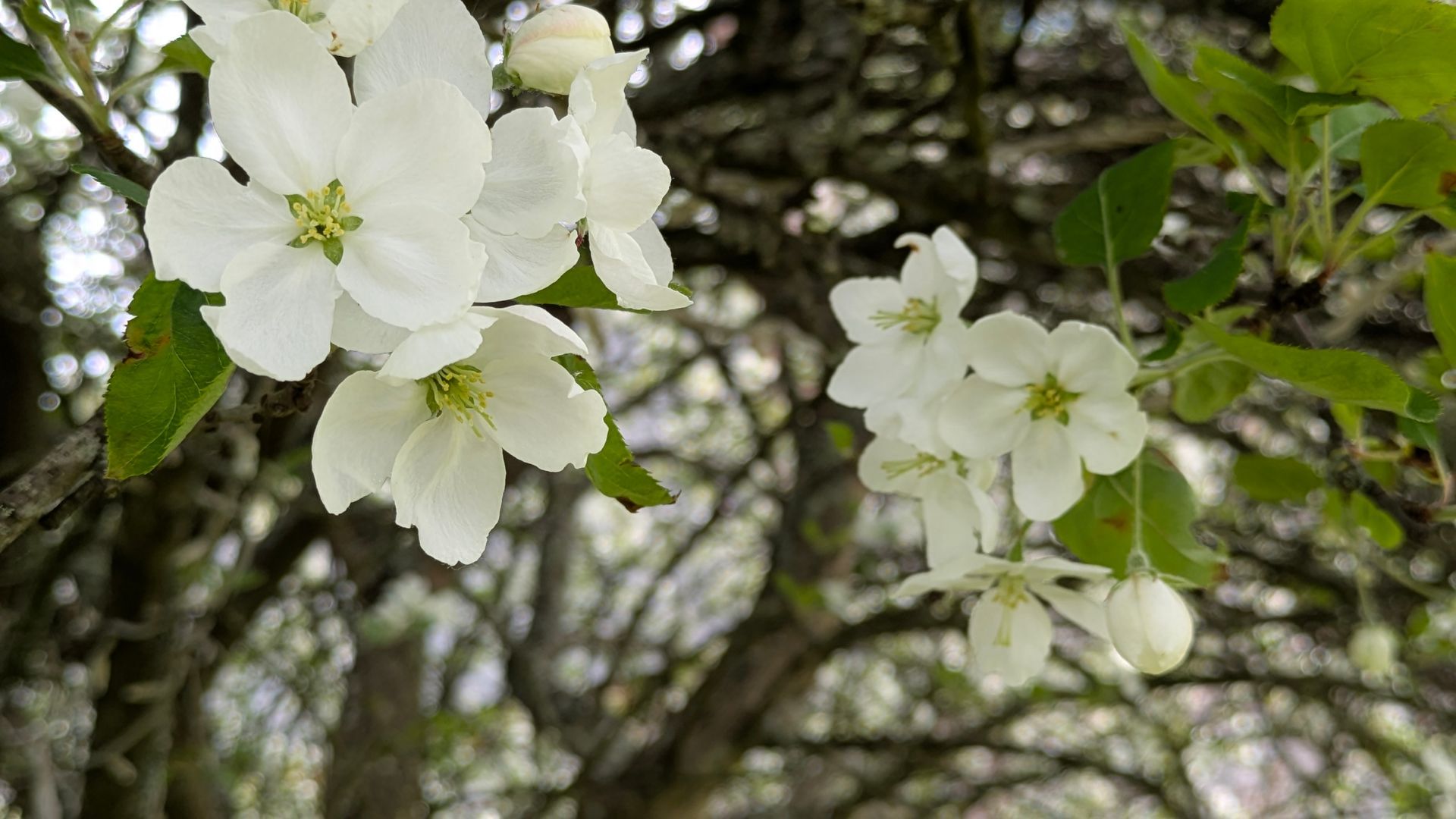
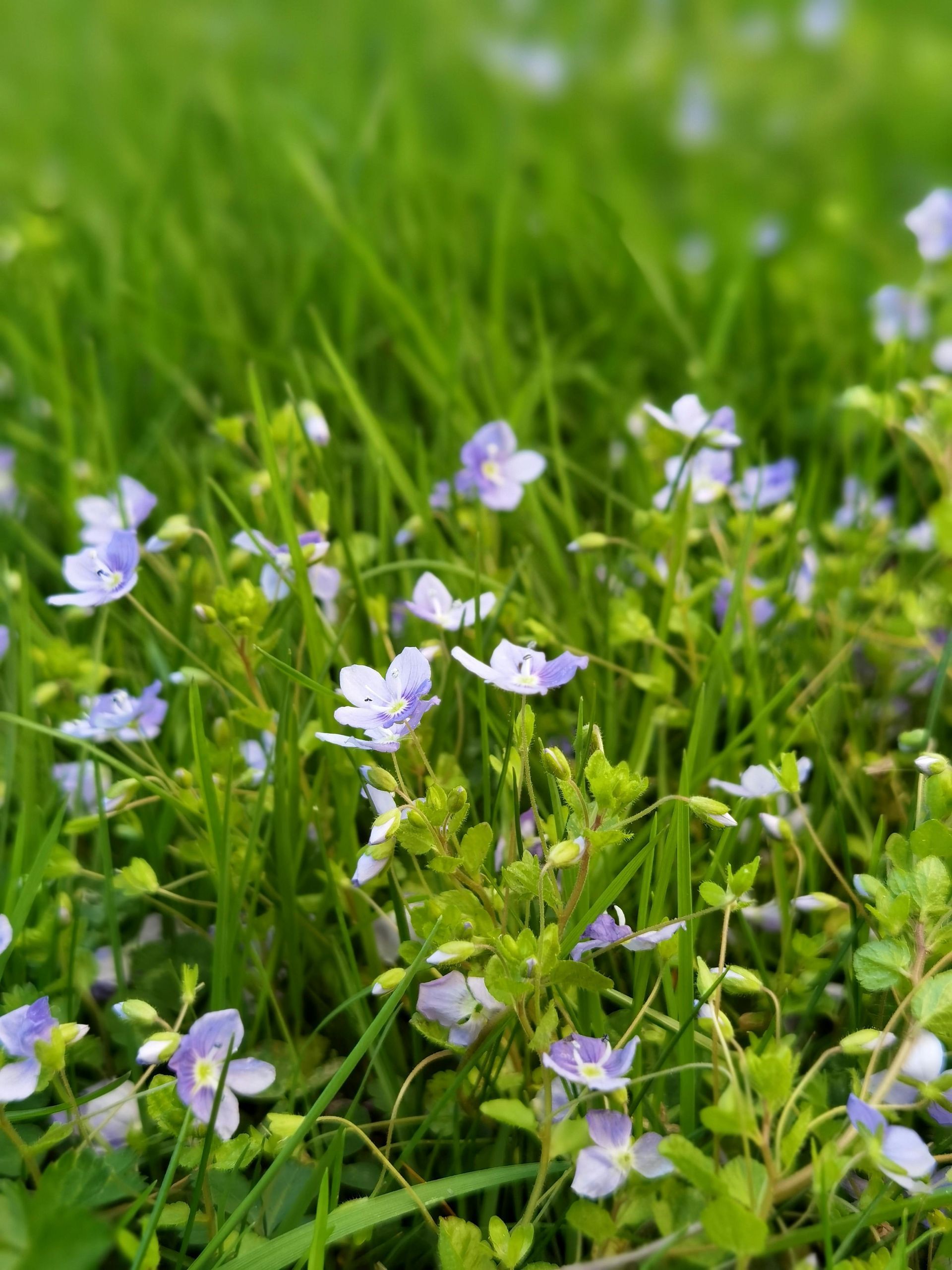
No Mow May
Every garden, balcony, yard and open space where Nature is allowed to grow is a potential haven for wildlife of many kinds, providing them with essential shelter, nourishment and nesting materials.
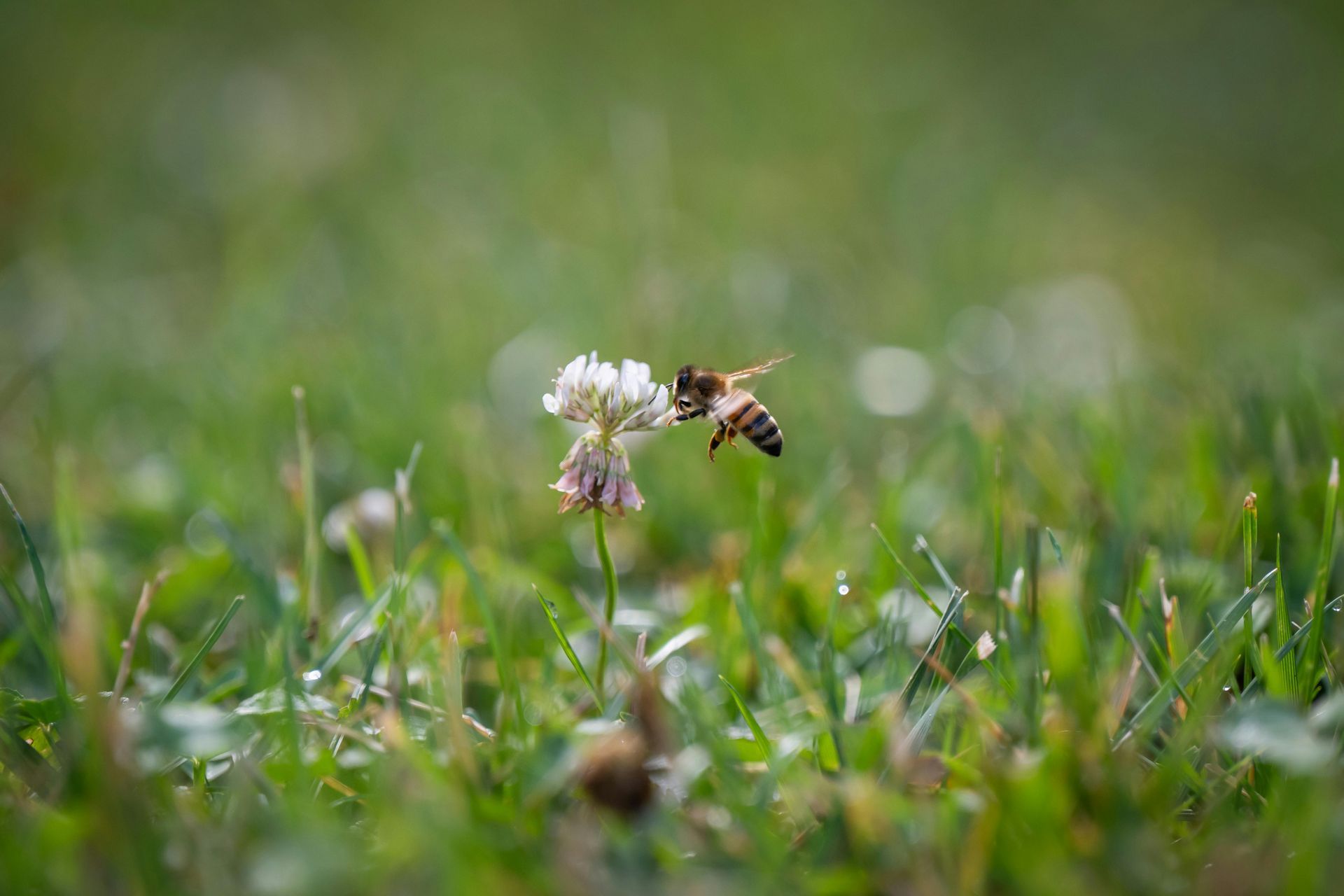
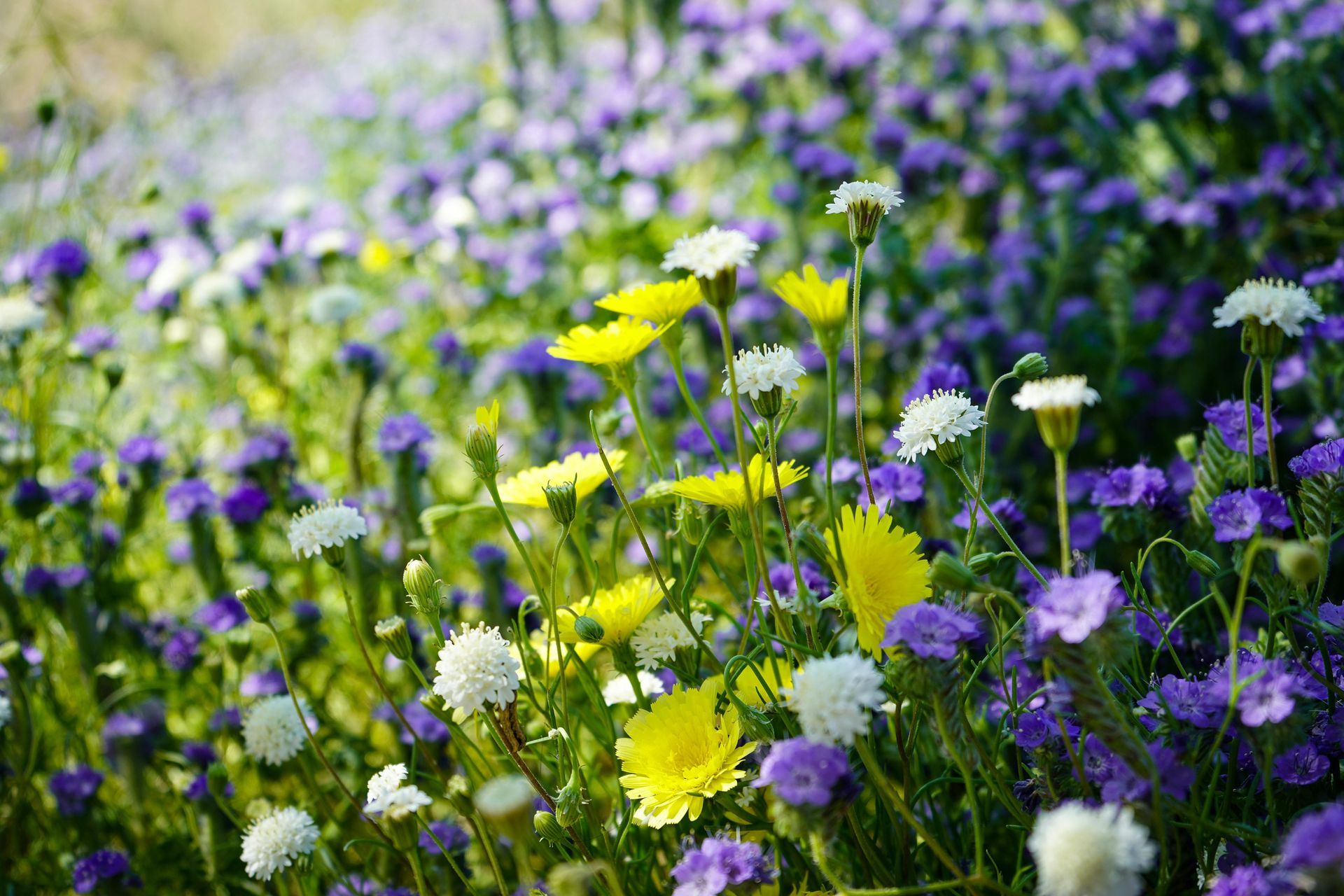
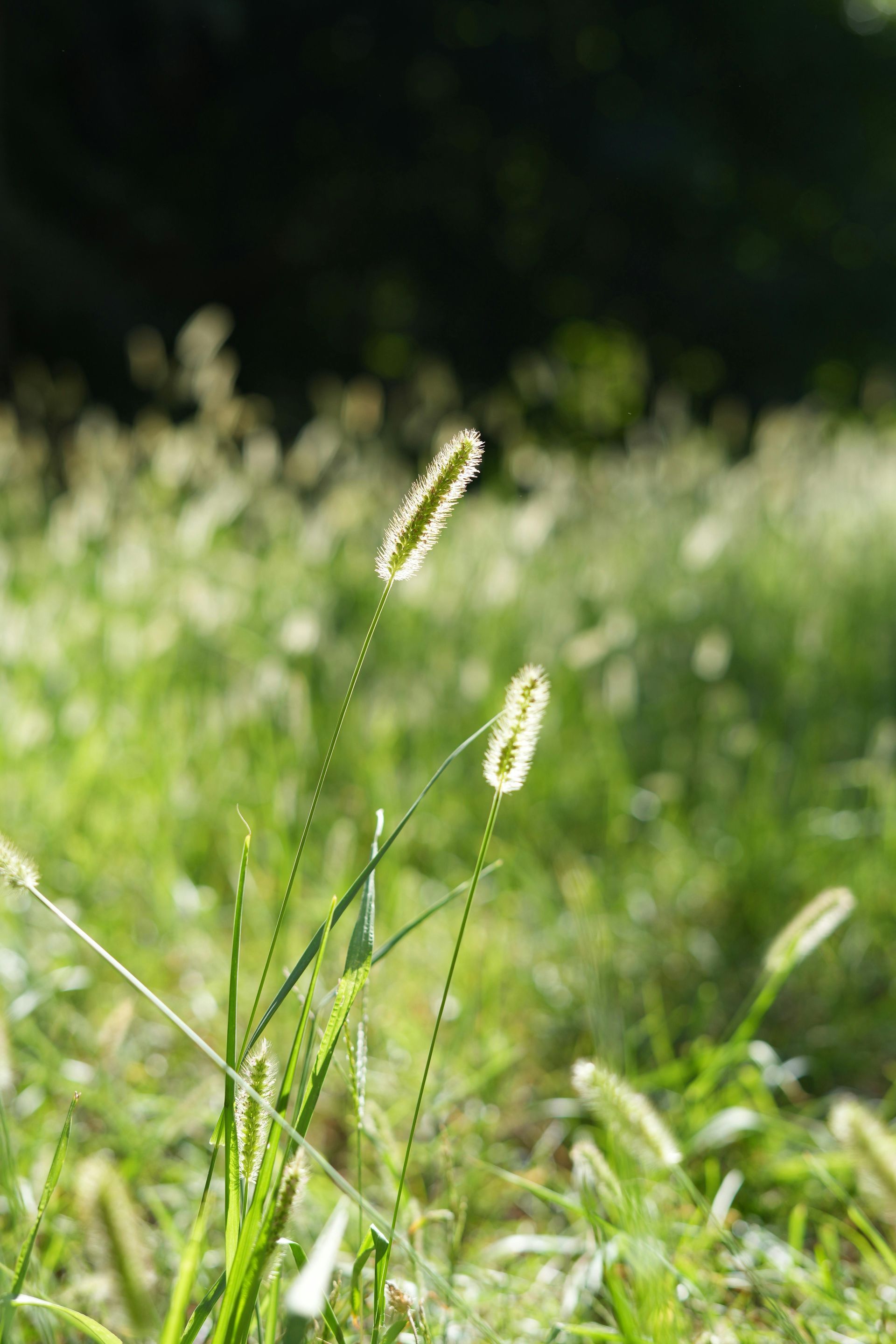
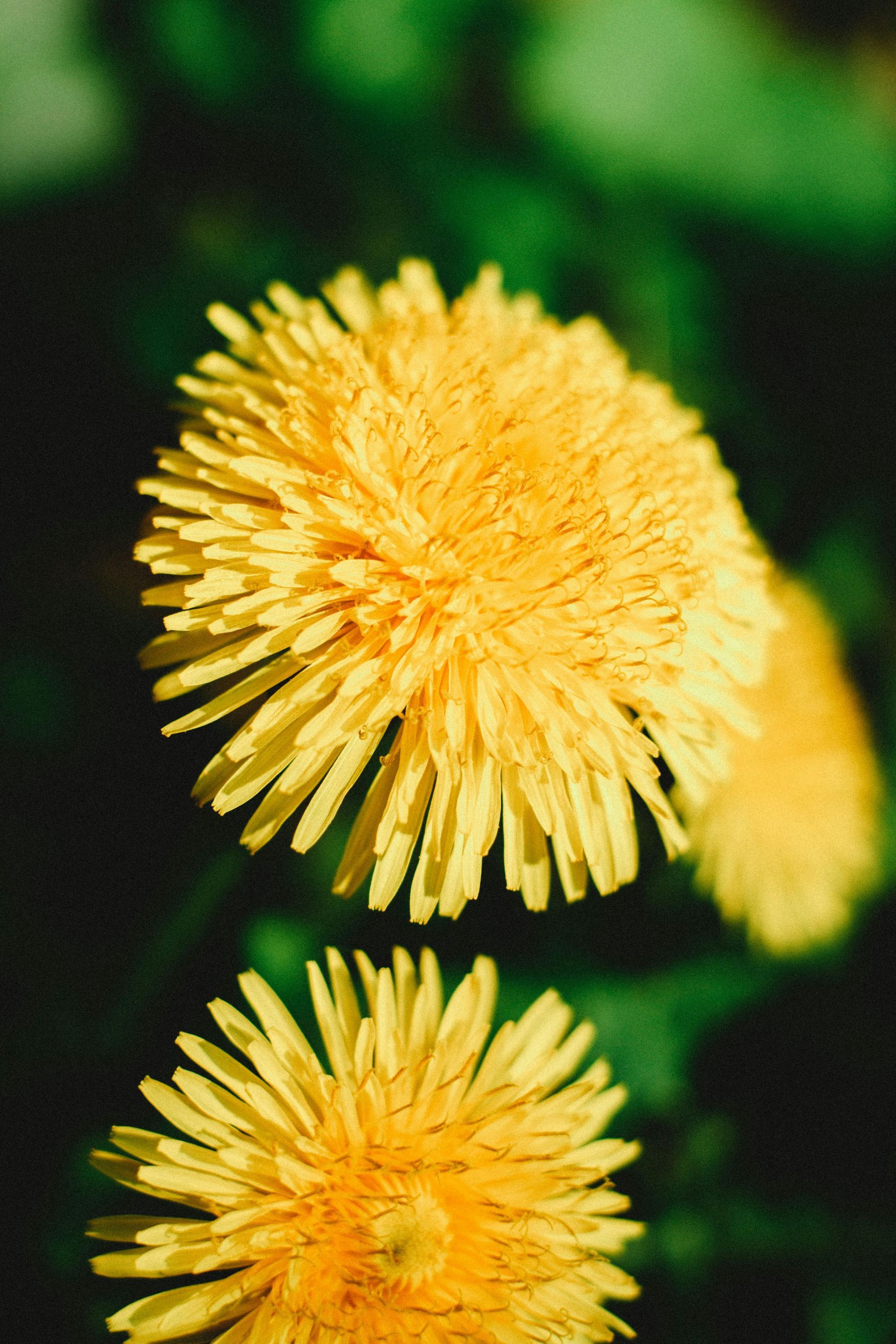
Reducing the amount of times you mow your lawn (and the amount of area) supports Nature by allowing wildflowers to blossom . This in turn, provides vital nectar for pollinators and habitats for many tiny creatures including insects, beetles, bugs, birds and worms. Embracing this national initiative will help to boost bee populations tenfold, as longer grass creates a sheltered microclimate and food source for our treasured honey-making friends.
Allow your lawn to grow wild this May as part of the Plantlife: saving wild plants annual movement. Watch your garden transform into an oasis for wildlife where patches of long grass encourage different plant species to grow. Help endangered insects thrive and create feeding opportunities for garden birds and small mammals.
When you share your garden and outside space with Nature, you will be rewarded tenfold and it may change the way your manage your lawn for everyone's benefit.
Bat Watching
Bats hunt at night and depend on their hearing to navigate at high speeds. They have their own in-built radar system that emits a high-pitched frequency that bounces off objects and potential prey. This gives the tiny acrobatic creature time to visualise their surroundings in their mind.
We have 18 species of Bats in the British Isles and some can be seen flying in our gardens at dusk. Since 1999, the The Greater Horseshoe, Lesser Horseshoe and Common Pipistrelle have shown strong long-term increases. In 2023, the Brown Long-Eared bat showed a decline in the British Isles, while the Lesser Horseshoe populations continued to rise in Wales.
Bats begin to emerge from their hibernation at the end of April so go outside the end of the day, preferrably somewhere near water, woodland edges or in urban green spaces, to watch them foraging for food as they swoop around you and above you. They can often be found near ponds and lakes where you can see them skimming the surface for a flying insects.
They fly quite low but they will never bump into you and are magical to watch in the diminishing light.
Planting for bees
I have been collecting a list of plants adored by bees and other pollinators so that I can make the most of my tiny garden which is too narrow for birds to swoop down and visit but is a perfect heaven for insects and the kind of spiders that like to hang around all day on their silken threads, keeping me company as I potter around pots full of Roses, flowers, plants and herbs.
May is the time to buy plants for the garden and to sow seeds. Here is just a short list of ideas that I hope will encourage you to create a haven for your visiting pollinators and especially for your local bees.
BIrd's Foot-Trefoil
Beekeeper love this common meadow wildflower. which produces hooked seedpods that look like a bird’s foot.
Corn Camomile & Oxeye Daisies
Large brilliant white daisy-like flowers with a golden centre which bloom from late May to September.
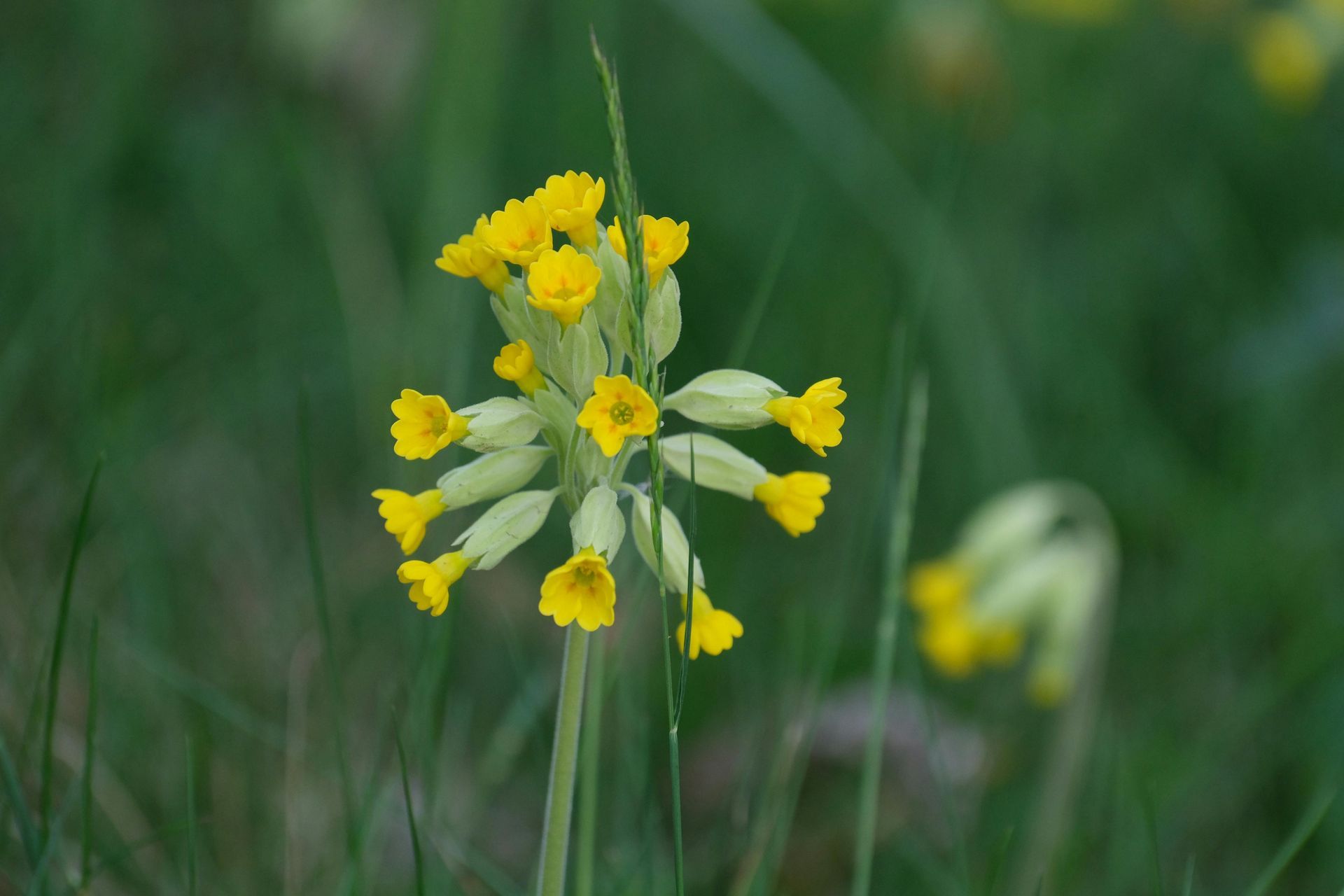
Cowslip
Delicate and charming, these native nodding yellow flowers are Spring perennials which are perfect for rock gardens and woodland edges.
Dandelion
A pefect excuse not to mow the lawn this month so that you and the bees can enjoy the bright yellow florets that appear in Spring as an important early nectar source for bees, insects and other tiny creatures.
Heather
Heather comes in several different colours and is easy grow in pots and in the garden. Scientists have discovered that the medicinal properties of heather nectar protect bumblebees from disease so it makes for a very important addition to your garden stock.
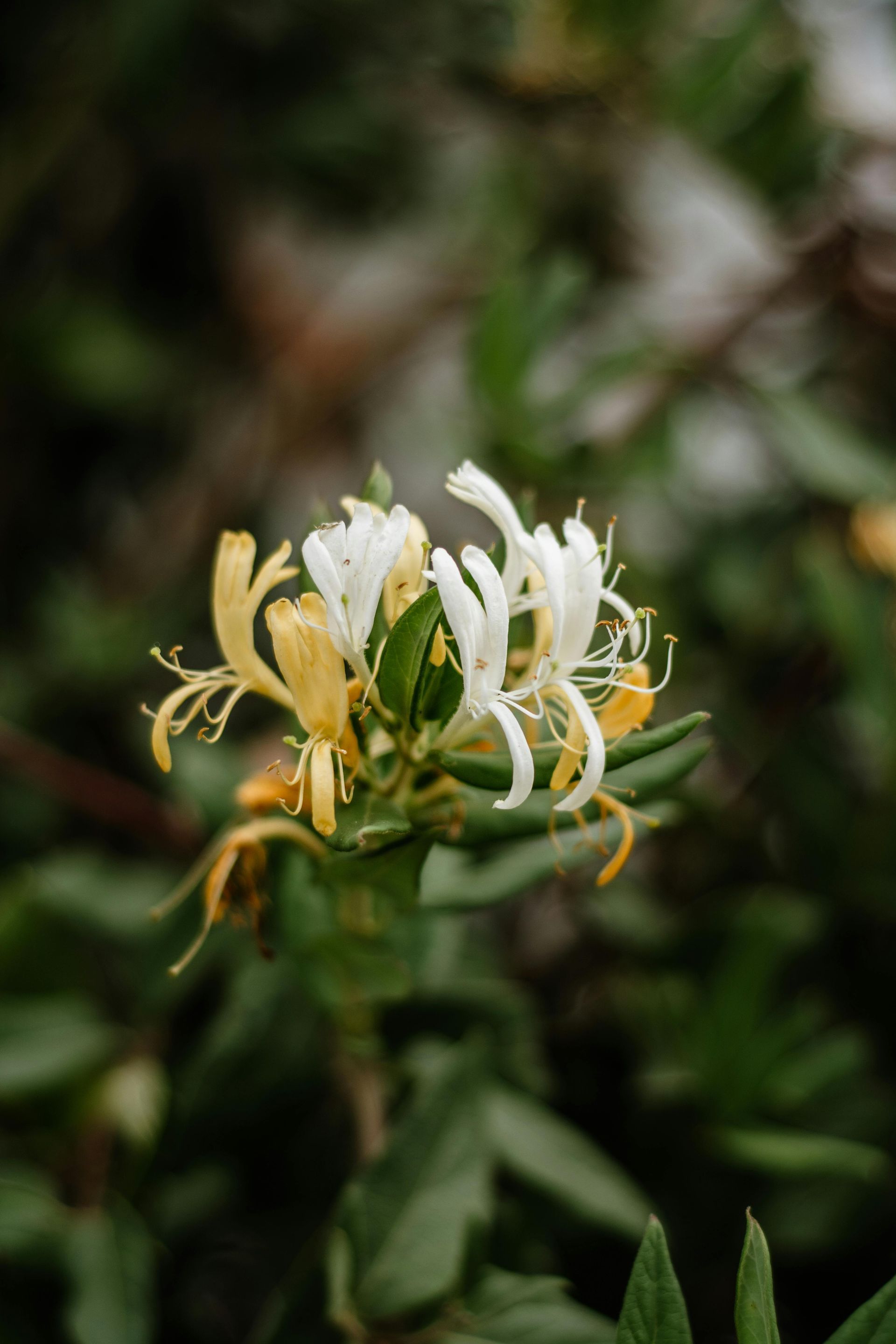
Honeysuckle
This beautifully free-flowing wall plant, also known as Woodbine, is adored by bumblebees and other rare and declining insects including the White Admiral Butterfly.
Primrose
Primroses of all colours provide an early nectar source for bees as well as being a foodplant of the caterpillars of the rare Duke of Burgundy Butterfly, which is listed as a Priority Species in the British Isles.
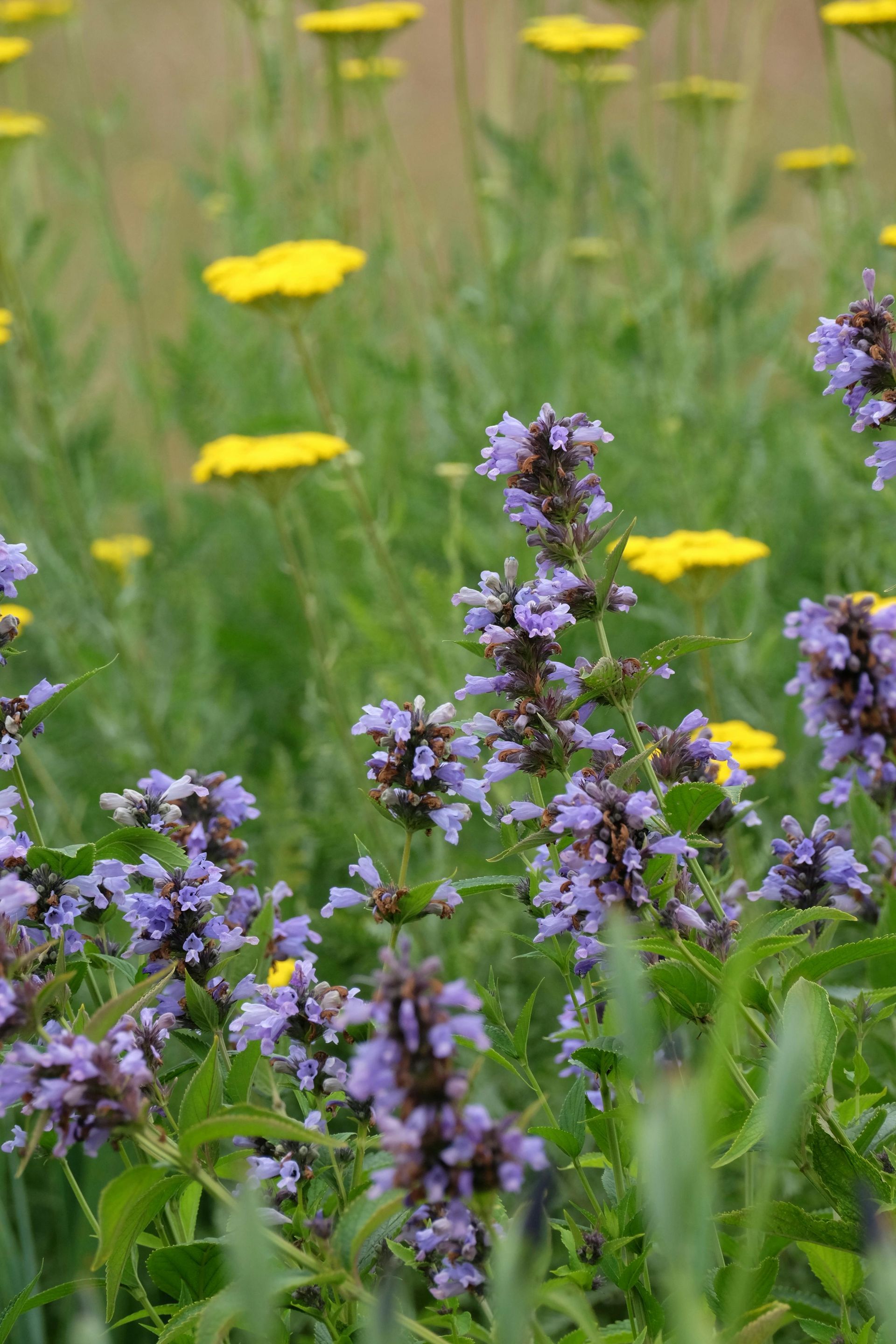
Selfheal
This purple wildflower got its name from its use as a theraputic plant – its leaves were crushed and used to dress skin wounds and syrup made with the flowers and leaves was thought to cure sore throats. The purple-blue flowers are great for pollinators and may appear as a surprise visitor if you let your lawn grow wild this season.
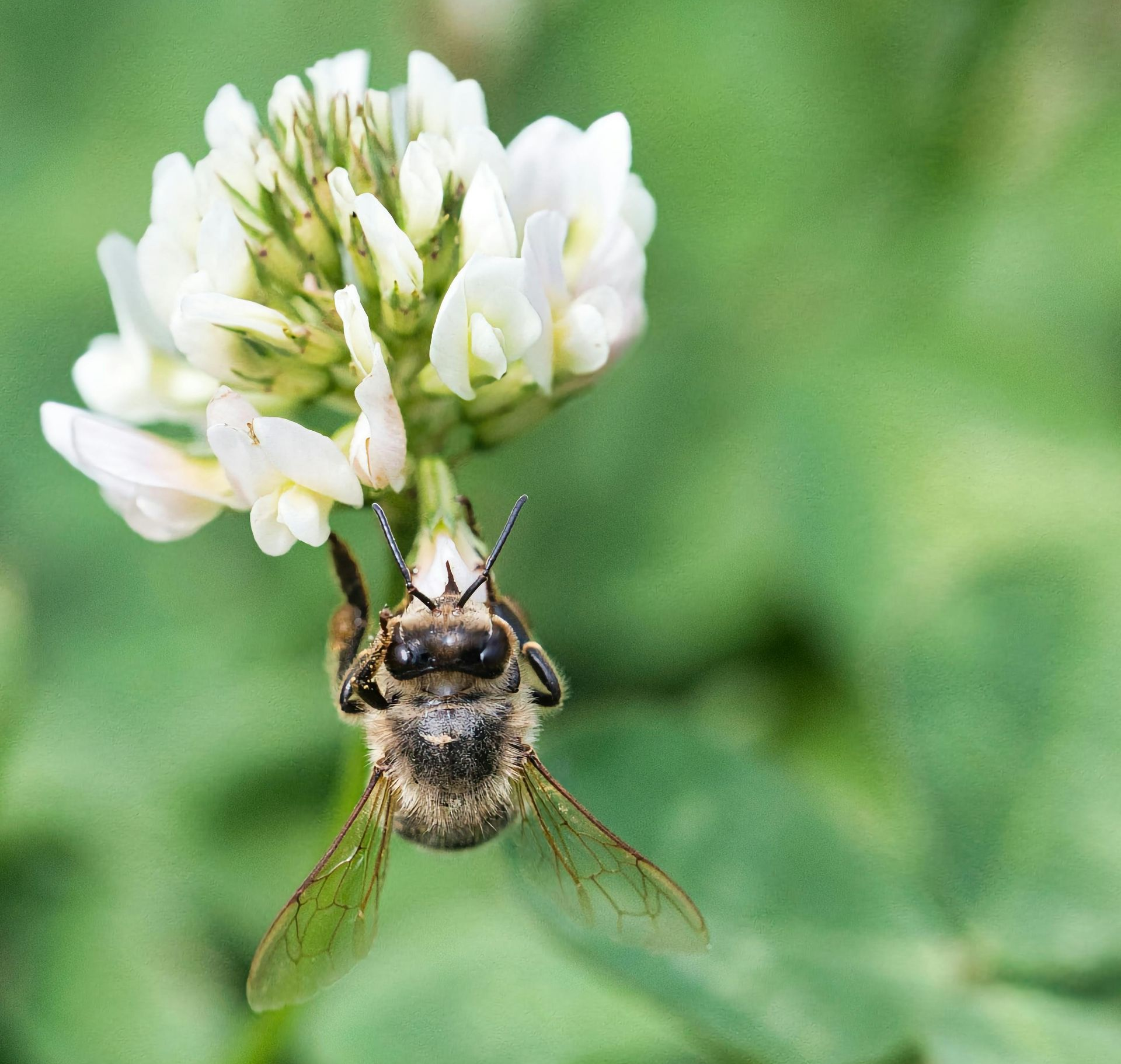
White Clover
It is worth keeping a wildpatch in your garden to allow this favourite flower to grow. Loved by pollinating insects and bees especially, White Clover has been sown by farmers for hundreds of years.
SOURCE:
Bee-ware! Which bees are you really helping - Kew Gardens
I hope you enjoy making the most of Nature through May for your good health, happiness and wellbeing. I look forward to seeing you here for the next Almanac on 1 June 2026.
Sue Cartwright
Spiral Leaf
Thank you for sharing!
for you, for me and for Mother Nature
Latest Posts




All Posts