Things to do in Nature in April
Ways to experience the beauty of Spring and get closer to Nature in April
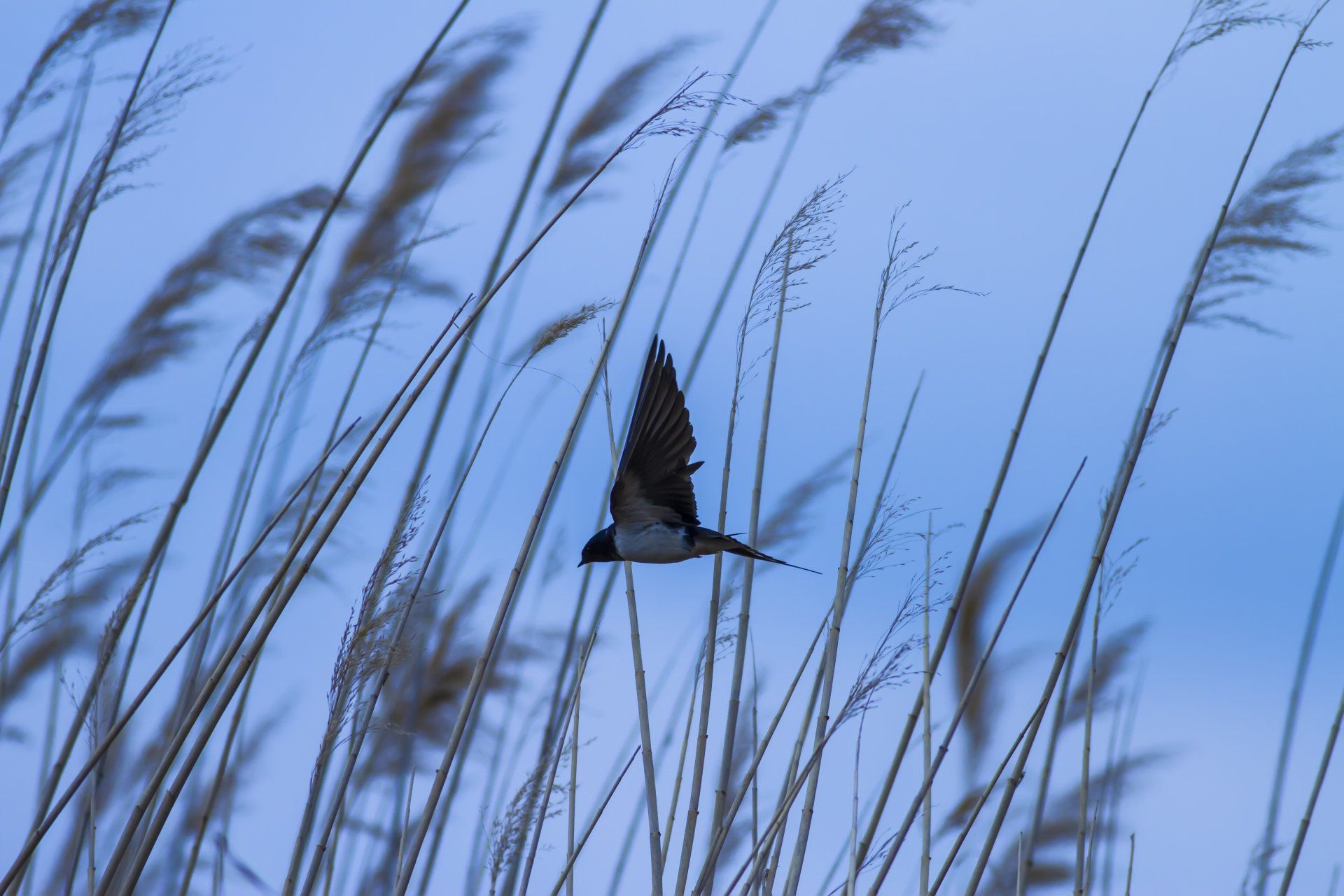
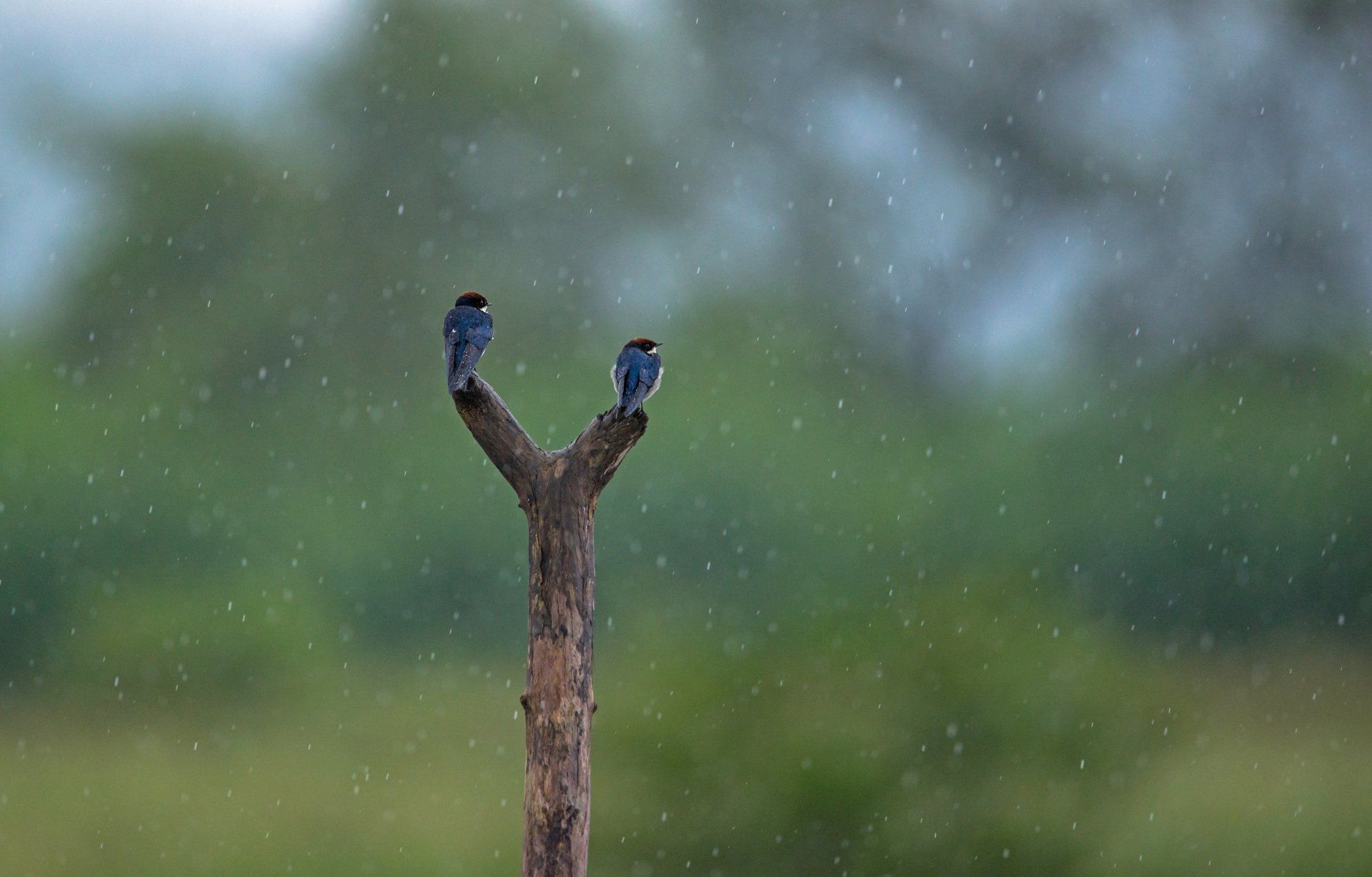
Return of the Swallows
The main event to look forward to this month is the return of the Swallows, Swifts, House Martins and Sand Martins flying home from the warmer climes of foreign lands.
They are here to raise their young during the Spring and Summer months and inspire us with their aerial acrobatics and displays. Only these beautiful birds can master such sky-high moves and precision as they expertly scoop up water and catch flying insects for their hungry broods.
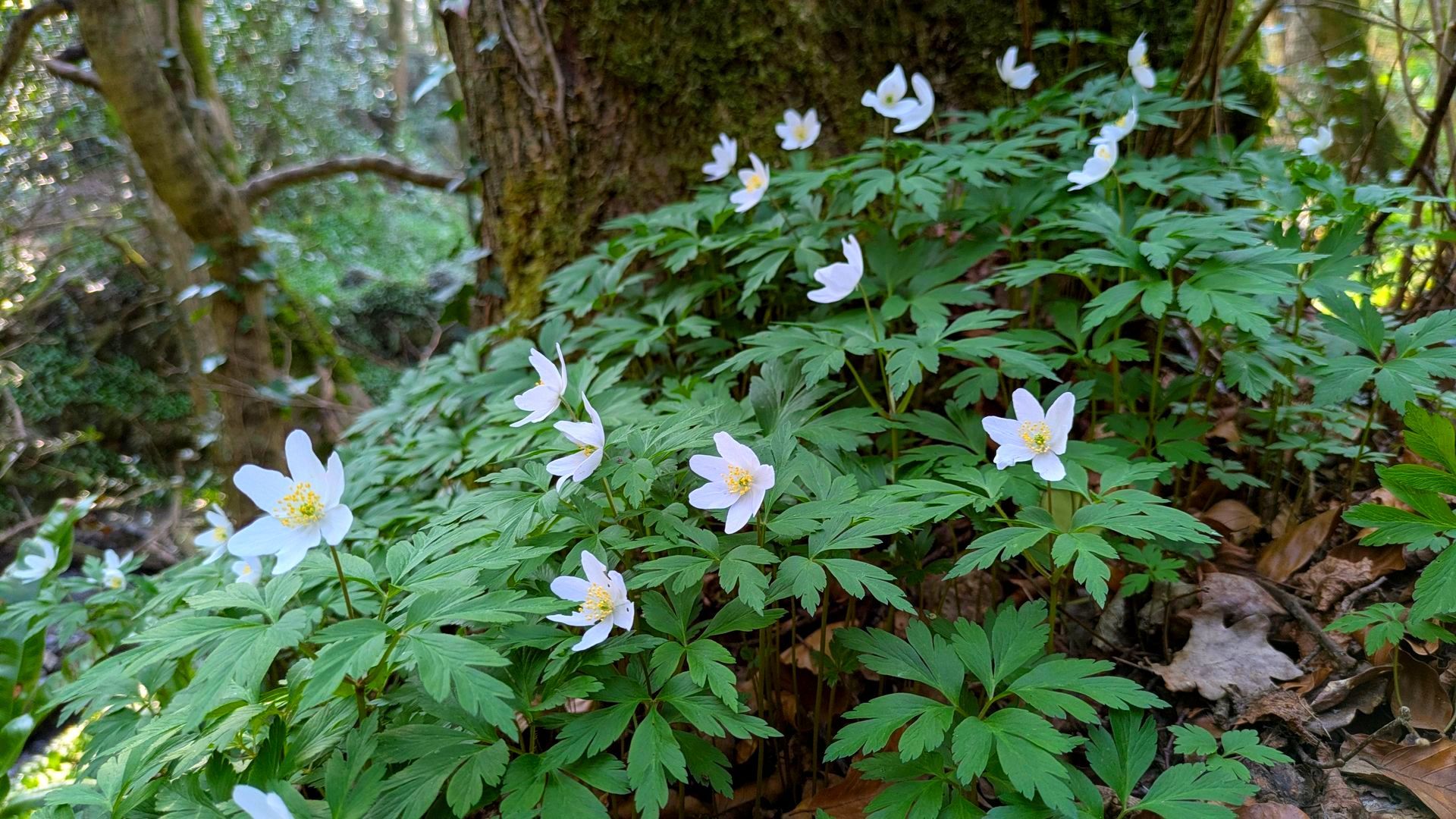
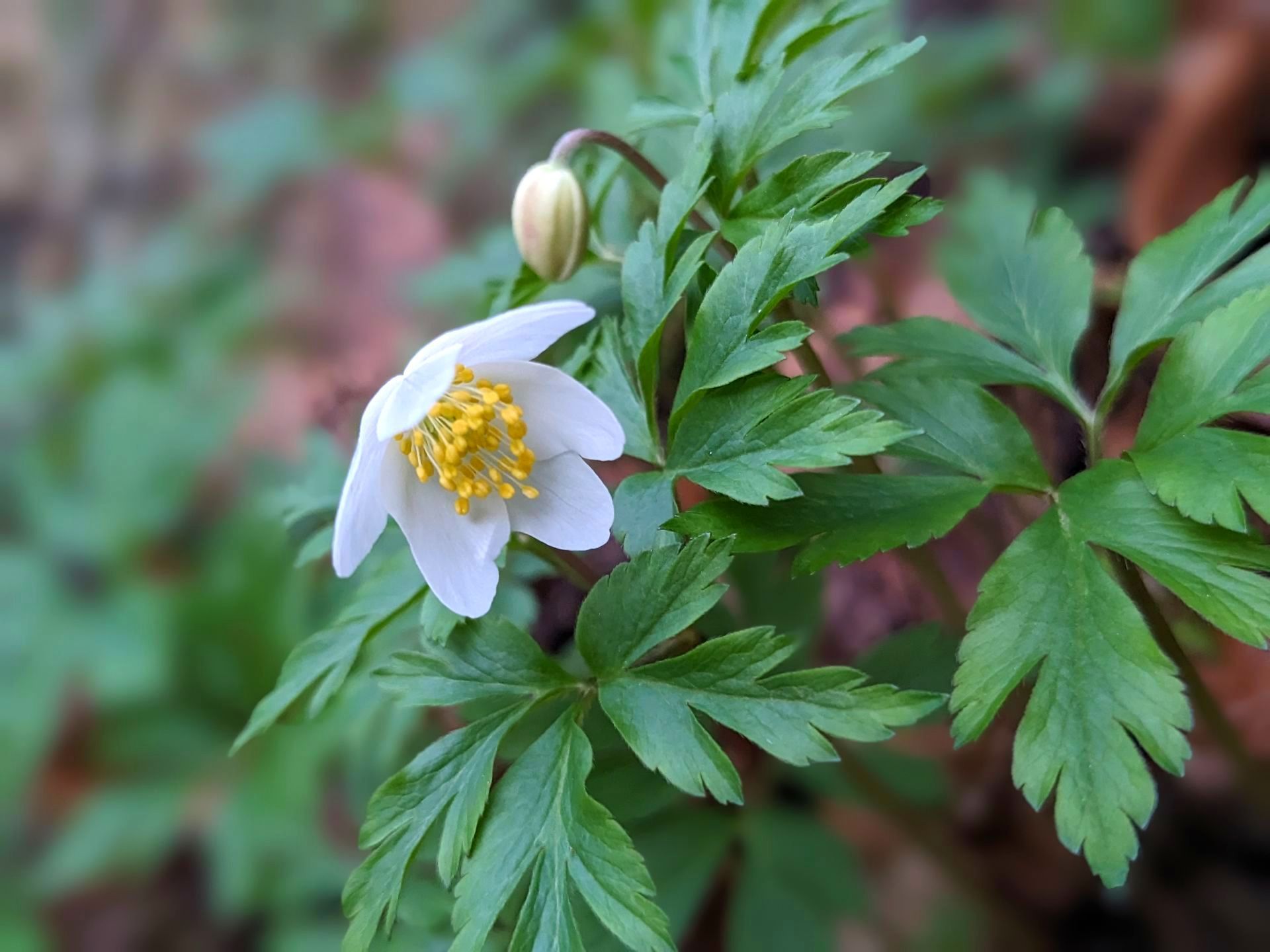
Woodland Stars
With their white starry flowers, Wood Anemones grow very slowly because their seeds are mostly infertile. This means that they colonise woodlands mainly through their tiny twiggy rhizomes. It is said that it takes a hundred years for them spread six feet which is why they are a good indicator of fertile ground.
Sun-loving and gentle, Wood Anemones are one of the first Spring blooms, arriving to take in the light through the leafless canopy in ancient woodlands.
Beech Leaf Canopies
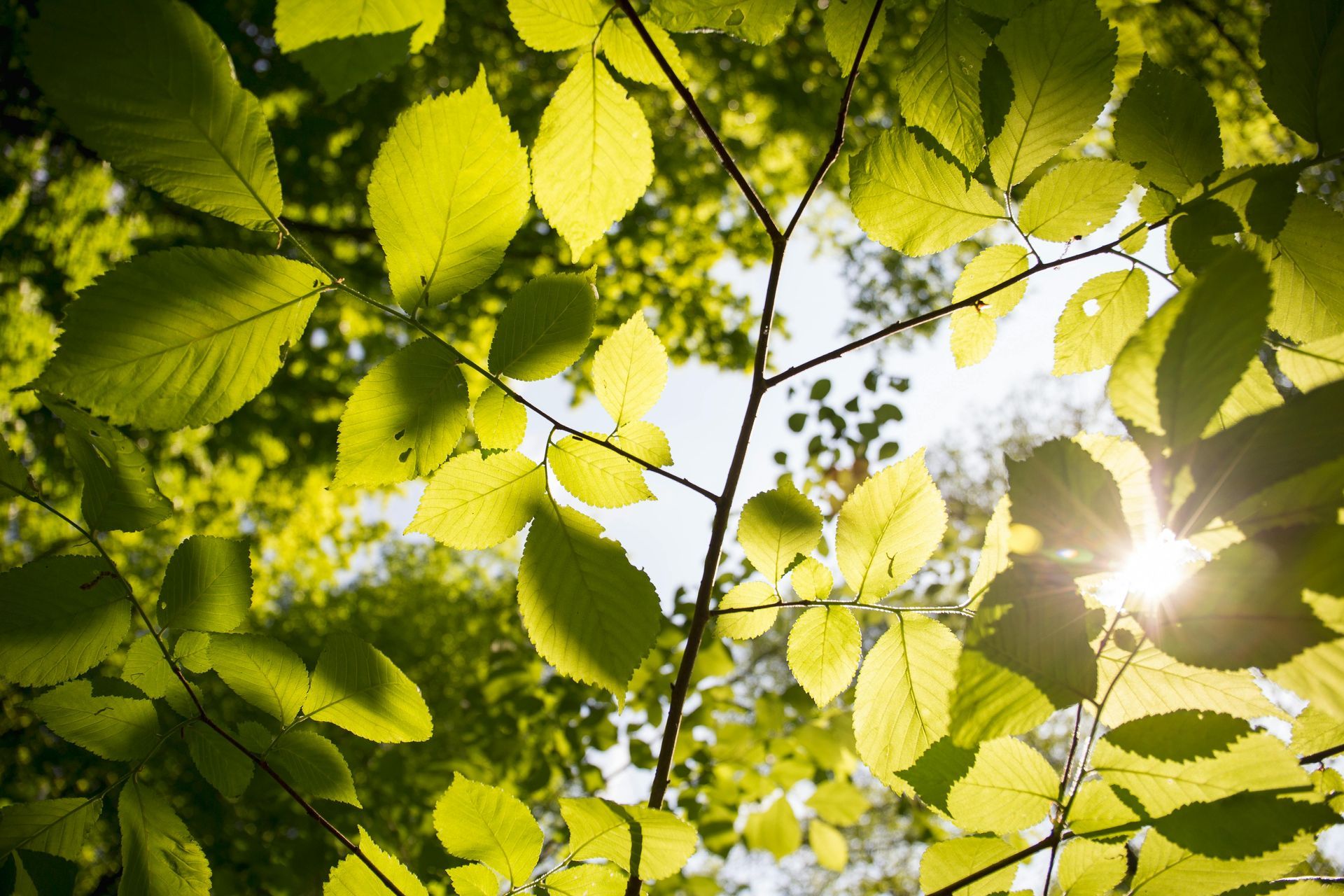
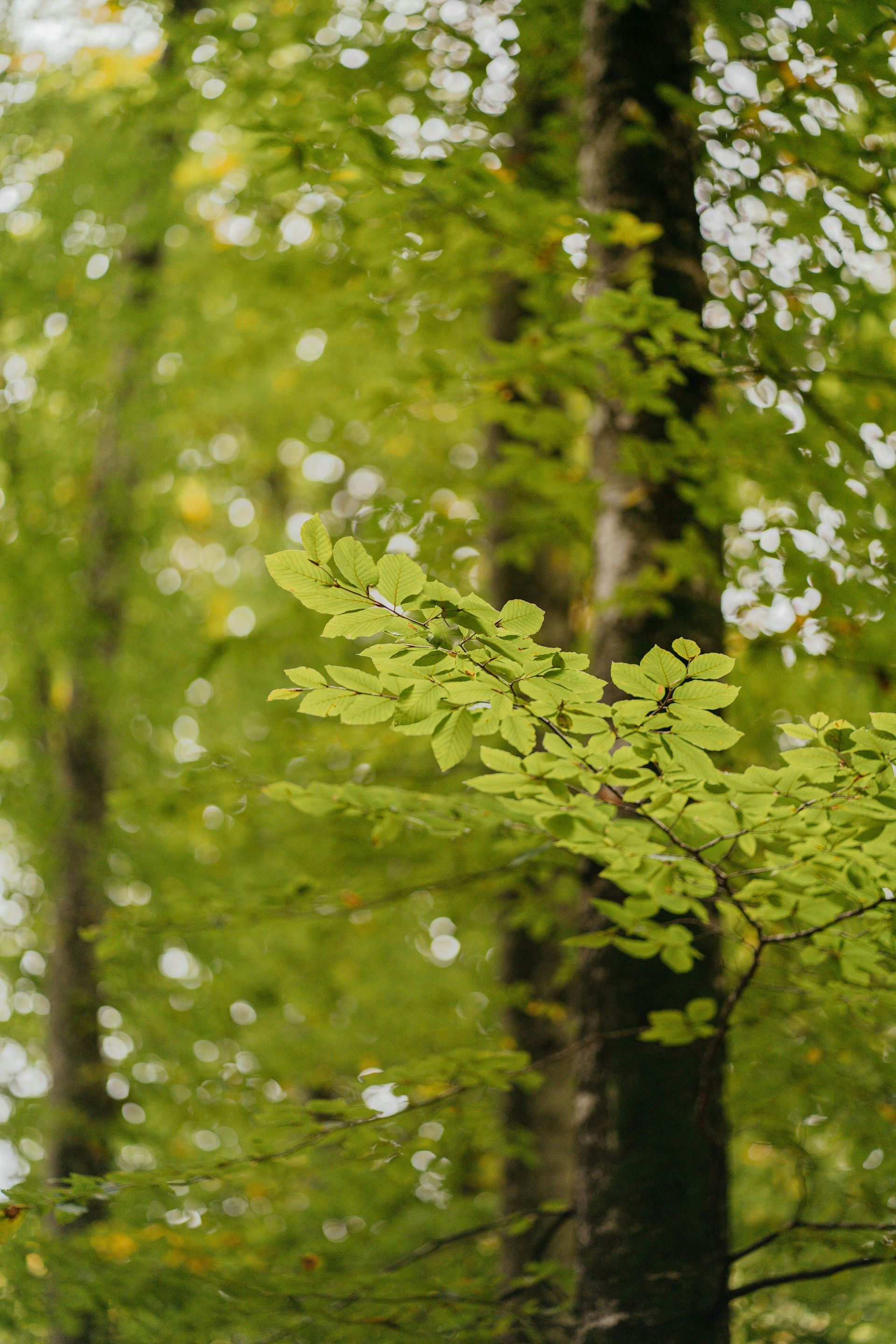
Green is the colour that soothes us most. It has been shown to help us relax, relieve anxiety and inspire creativity. At this stage of Spring, the young leaves are naturally paler, because they are thinner, softer and contain less chlorophyl.
Beech leaves are well known for their stunning April foliage with softly layered canopies and brilliant lime colour schemes. In the sunshine and a light breeze, their dappled light is mesmerising so take a moment to enjoy this new flourish of life and take in its gentle yet vibrant presence.
Blackbird's Song
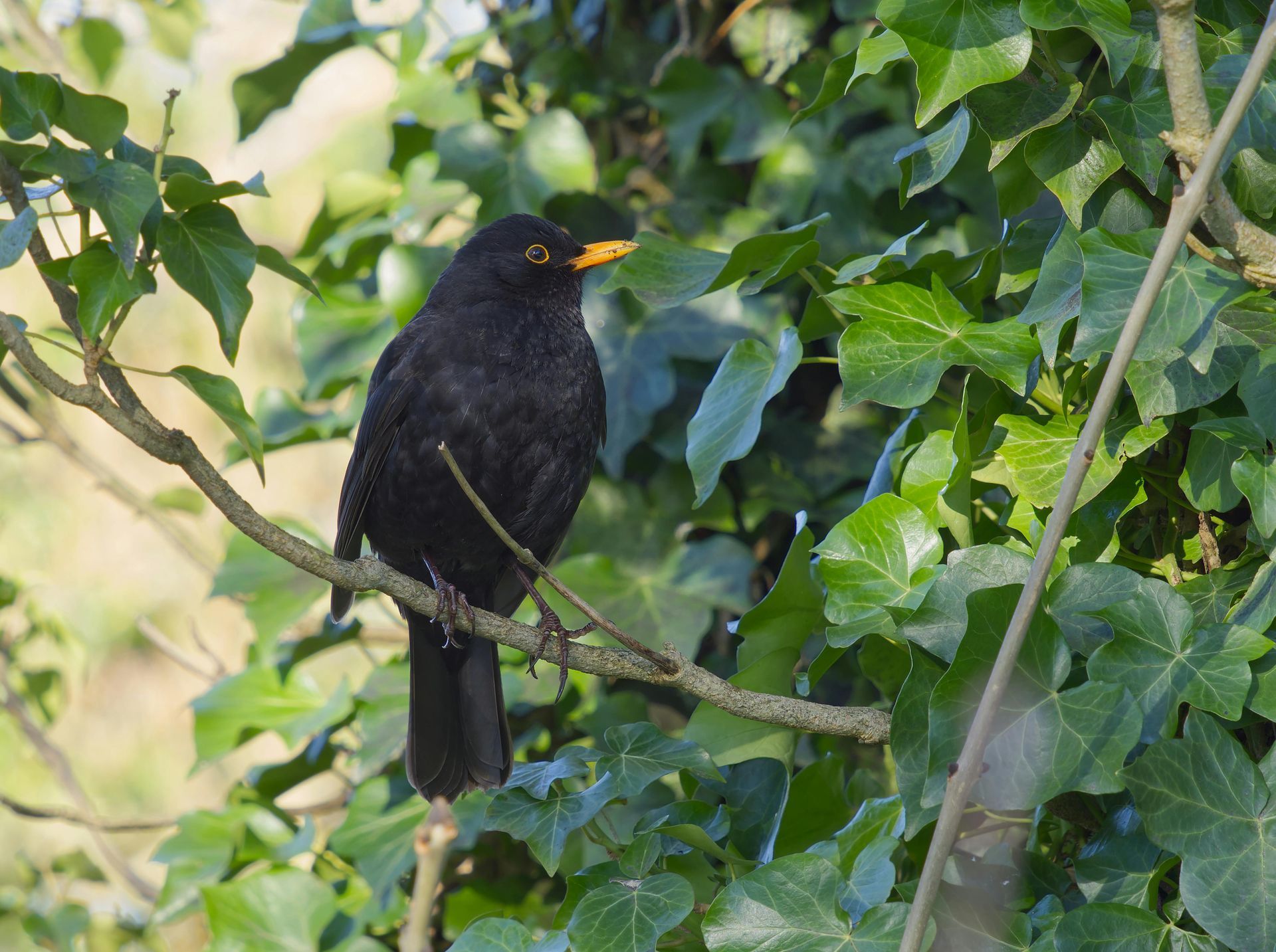
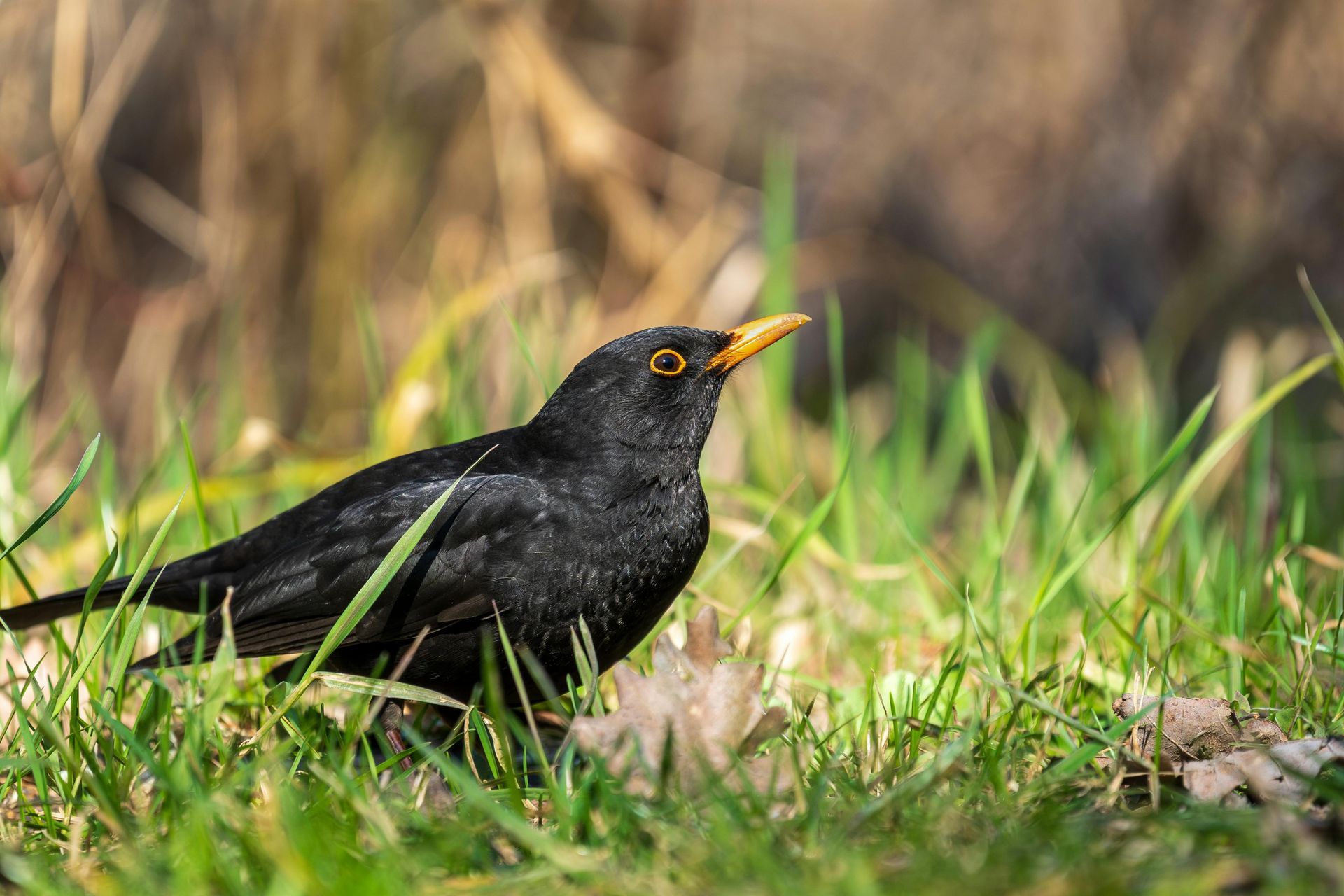
One of the great joys of Spring’s golden hour around sunrise and sunset is the supremely relaxed fluting of male Blackbirds coming from high branches and rooftops. Tune into their heartening melody and feel your spirits lift. Listen out for their mellow, fluty and varied phrases, often described as a relaxed melody compared to the faster songs perfected by the Thrush family.
The bright trilling of this beautiful bird is quintessential to Spring. You can spot a Male Blackbirds by its deep inky black feathers, bright orange-yellow beak and yellow eye-ring which makes them stand out from the crowd. Female blackbirds are brown with spots and streaks on their breasts and brown beak. Males sing from high, exposed perches, such as tree tops or chimneys, as they defend their territories and mark the beginning or the end of the day.
Spring Butterflies
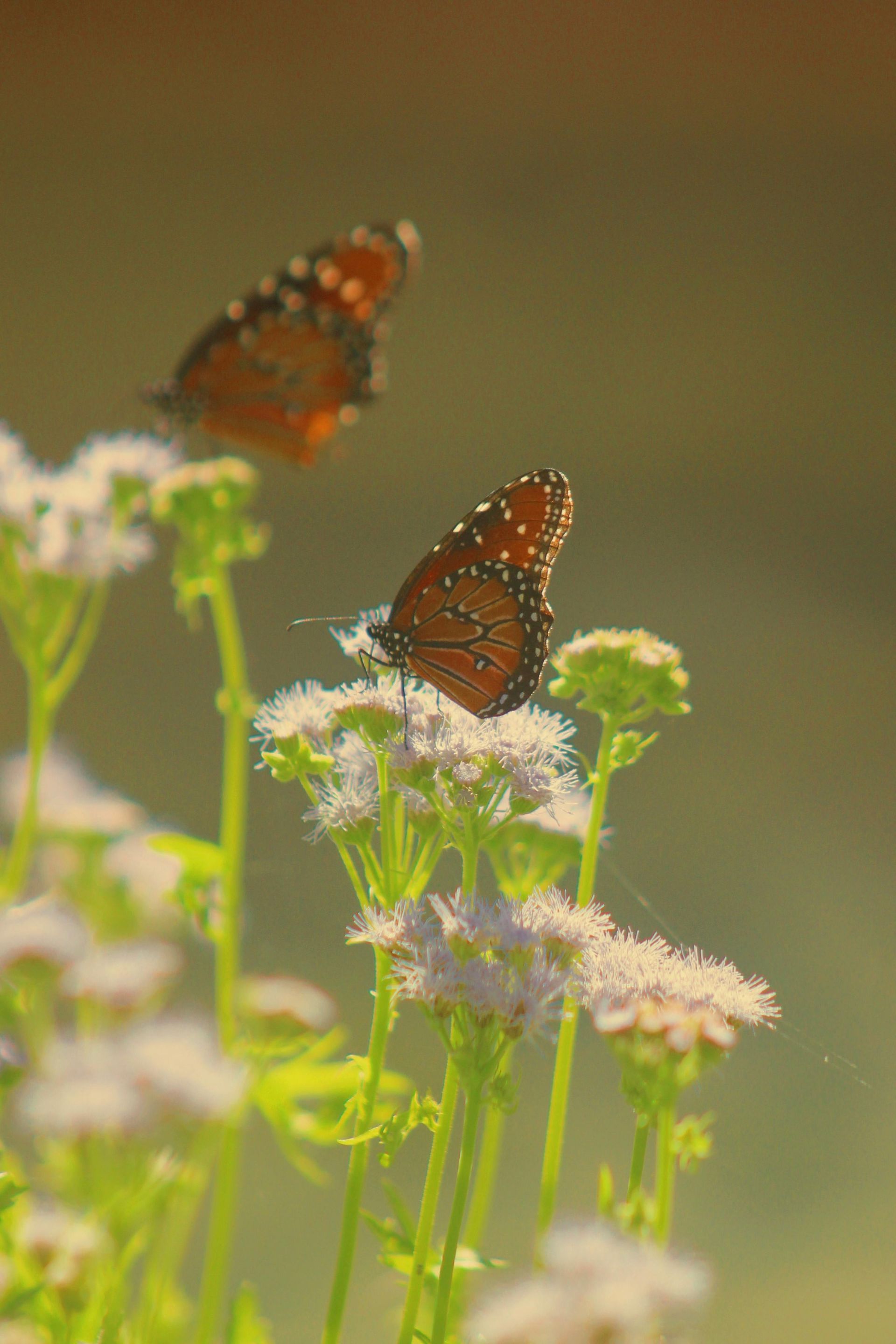
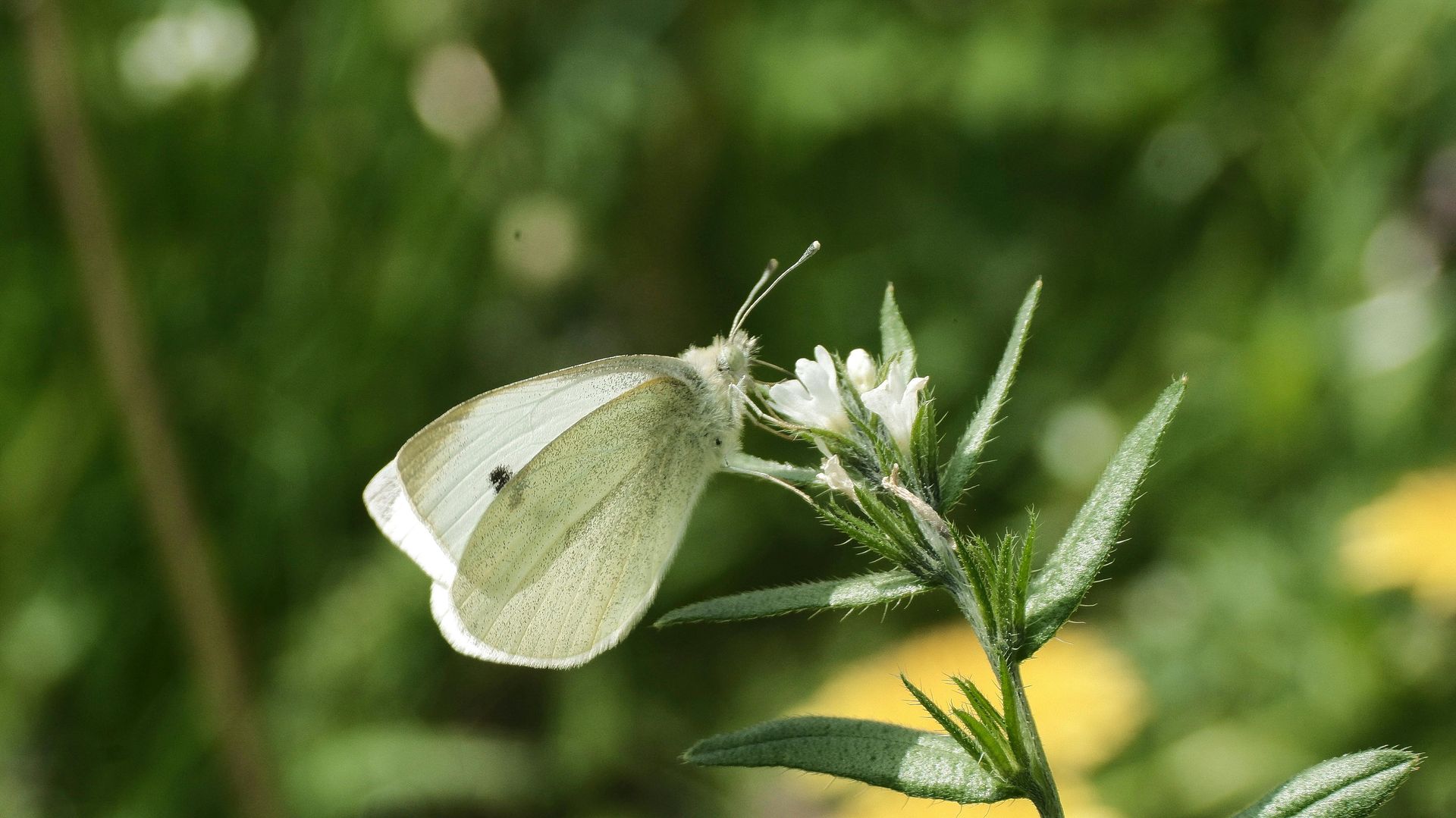
Favourite butterflies include the Peacock Butterfly which rouses from months of Winter stillness in March and early April as they search for nectar and a Spring mate. Their eyes detect movement faster than us due to myriad photoreceptor cells in tiny units called ommatidia. Their twin antennae smell the air in stereo and their tactile legs are more sensitive than our fingertips.
Early Spring butterflies are often those that hibernated as adults, emerging on warm April days to feed. Key early species include the Yellow Brimstone, Vivid Peacock, Comma-Marked Comma, and Small Tortoiseshell. Later in the month, you may see Orange-tips, Holly Blue, Green-Veined Whites, Small Whites and Speckled Woods, while Red Admirals start arriving from migration. Watch them dance as they flutter around each other in their fanciful courtship rituals.
Baby Hares
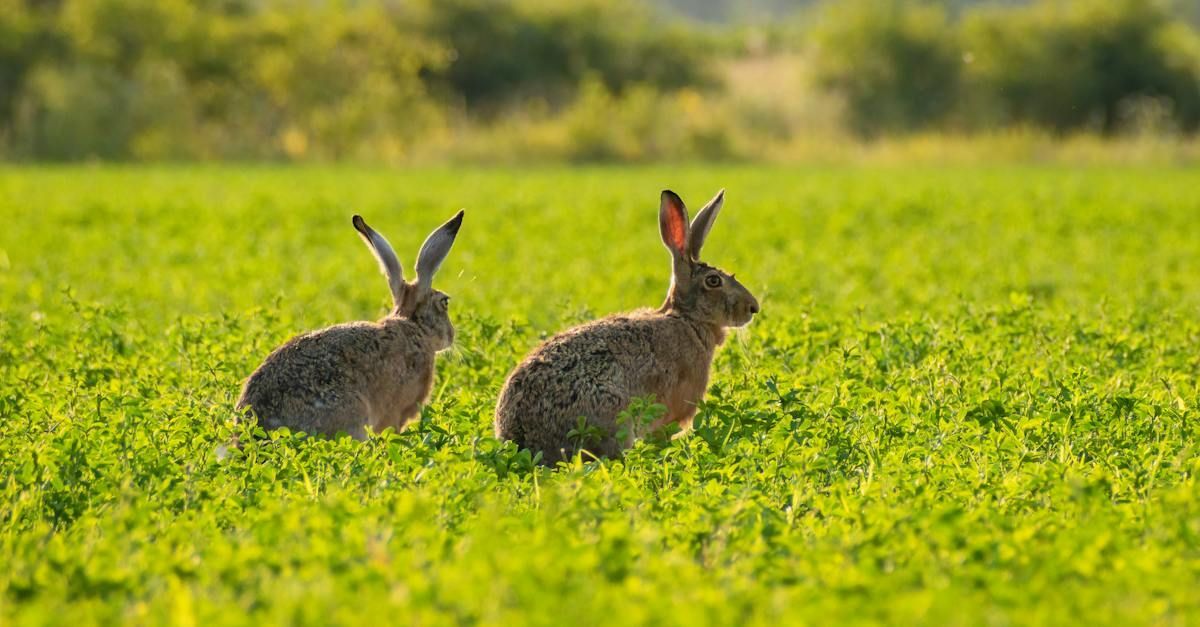
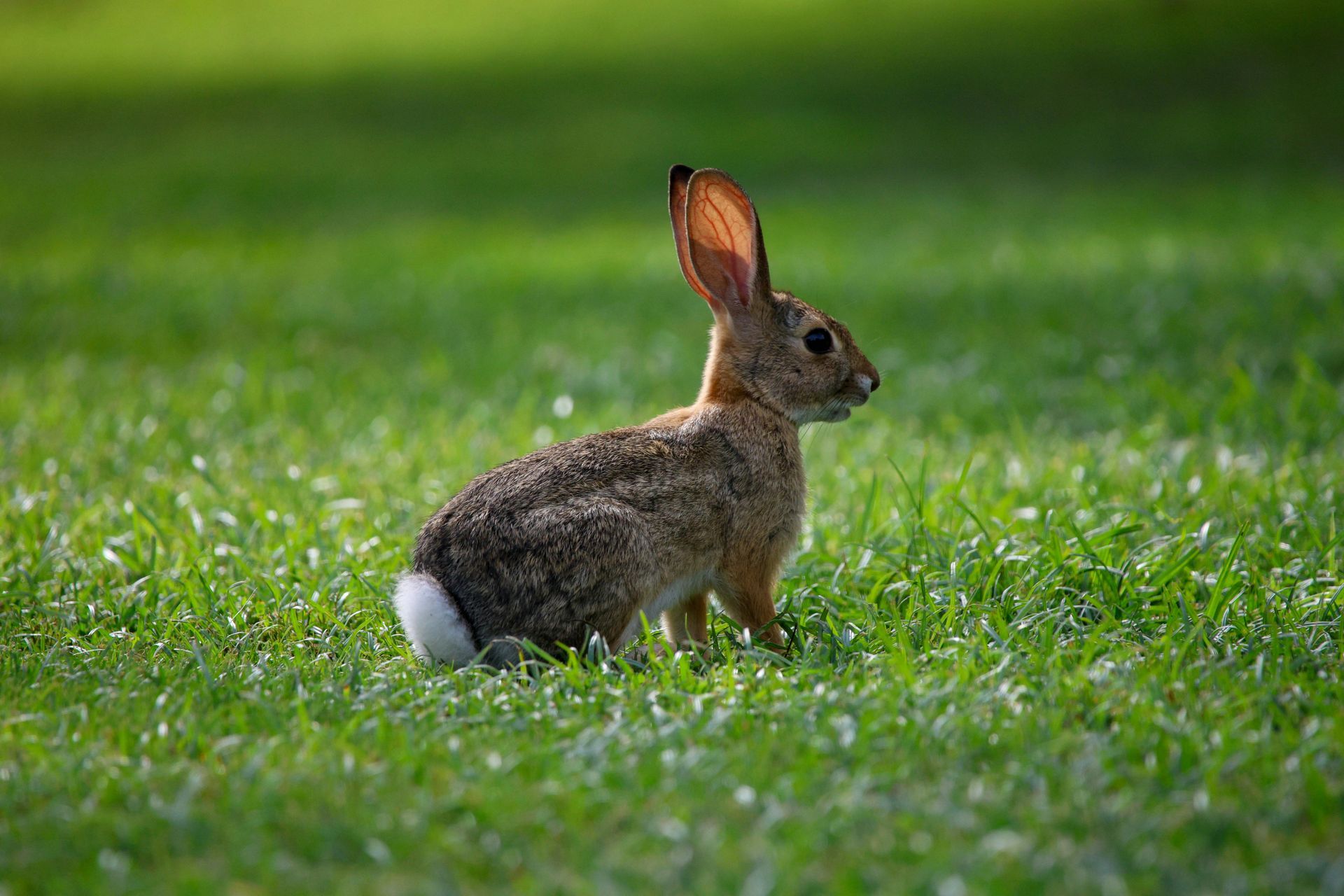
No mammal is more closely connected to Spring than the beautiful and mysterious Brown Hare. April sees in the year’s first baby Leverets so, if you are lucky, you might spot some a few days old, in a field hunkered down in a bed of grass.
HIdden in shallow hollows (or forms) on top of the ground, Hares gives birth to an average of three young Leverets. They are born with fur and open eyes, and are left by their mother shortly afterwards. The female Doe visits and suckles her offspring regularly, but only briefly and a few times a day. In this way, she prevents predators being aware of their location. The young hares are precocial (meaning they are already relatively mature at a young age). They can leave their form at the early age of two or three days old. While waiting for their mother, they crouch in hiding places or nibble on their first green herbs.
Never attempt to 'rescue' a youong hare as they are neither orphaned nor sick. If the animal is not injured or in danger, it must not be taken under any circumstances. Their mother will be close by and will continue to take care of her offspring so leave well alone.
I hope you enjoy making the most of Nature through April for your good health, happiness and wellbeing. I look forward to seeing you here for the next Almanac on 1 May 2026.
Sue Cartwright
Spiral Leaf
Thank you for sharing!
for you, for me and for Mother Nature
Latest Posts




All Posts