The Natural Spring Clean
Everything you need to spring clean your home the natural way
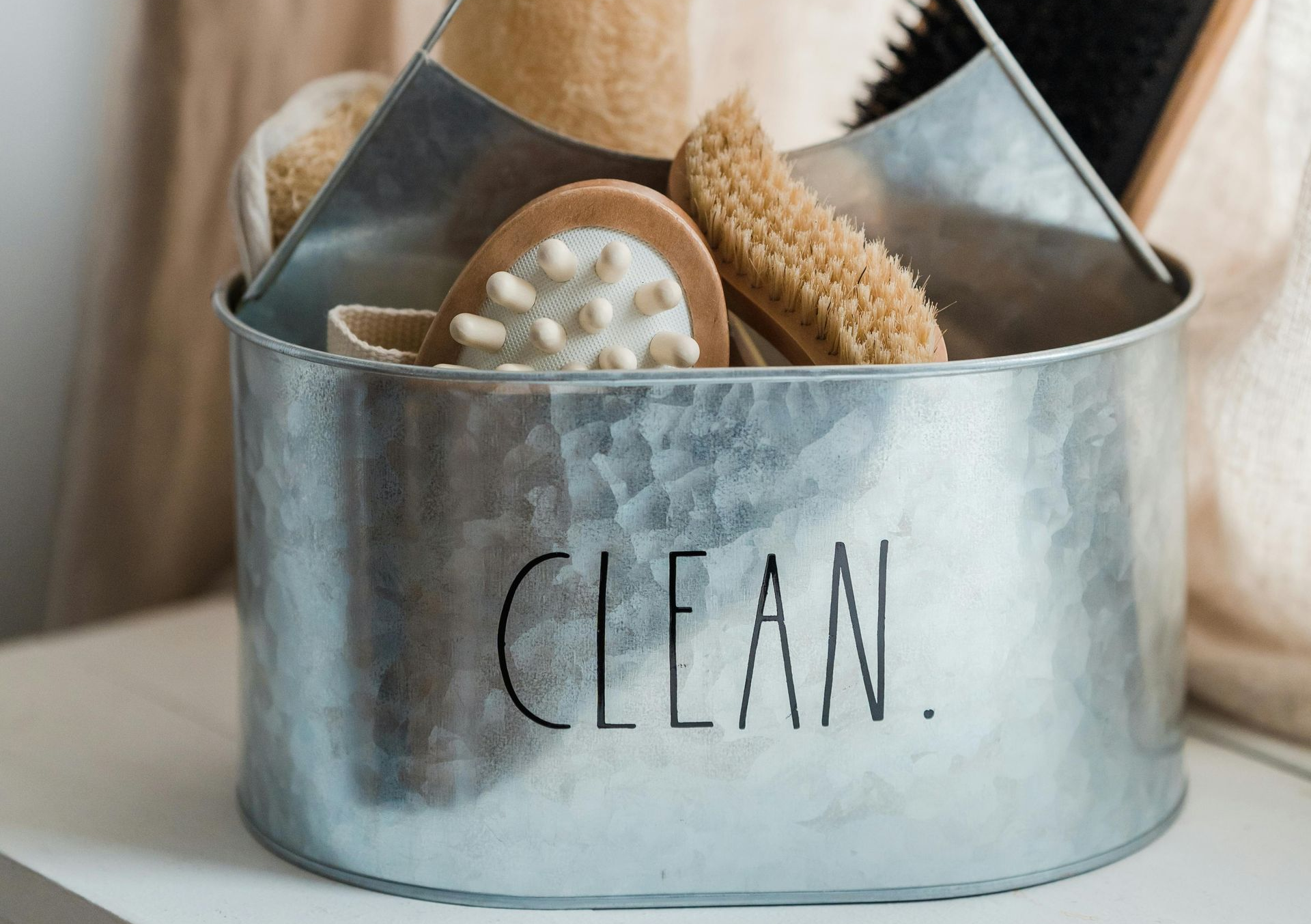
Spring cleaning is a traditional term used for deep cleaning and freshening up a home or working environment after a long, dark cold season and welcoming in the new season of growth, light and abundance. It conjures up a vision of throwing open the windows and doors to let the stale air out and the fresh air and sunlight in. It creates an impression of cobwebs being swept out of corners, washing blowing in a stiff breeze and old rugs being beaten in the yead outside ...
Or maybe not, depending on how old you are, but despite traditional manual-labour housekeeping not being a thing anymore, a good Spring Clean can make any place feel loved. The decluttering and hands-on cleaning elements are in fact theraputic, cathartic even. The process, matched to the effort, matched to the hopefully satisfactory result, adds up to make us feel better all the better for doing it.
But how?
I have gathered together some brilliant natural cleaning tricks and recipes that work incredibly well to keep things clean and fresh. I will share some of the best methods that I use with you (see below) but first, let's understand why switching to natural cleaning products not only saves time and money, it helps to protect your long-term health.
Toxic Convenience
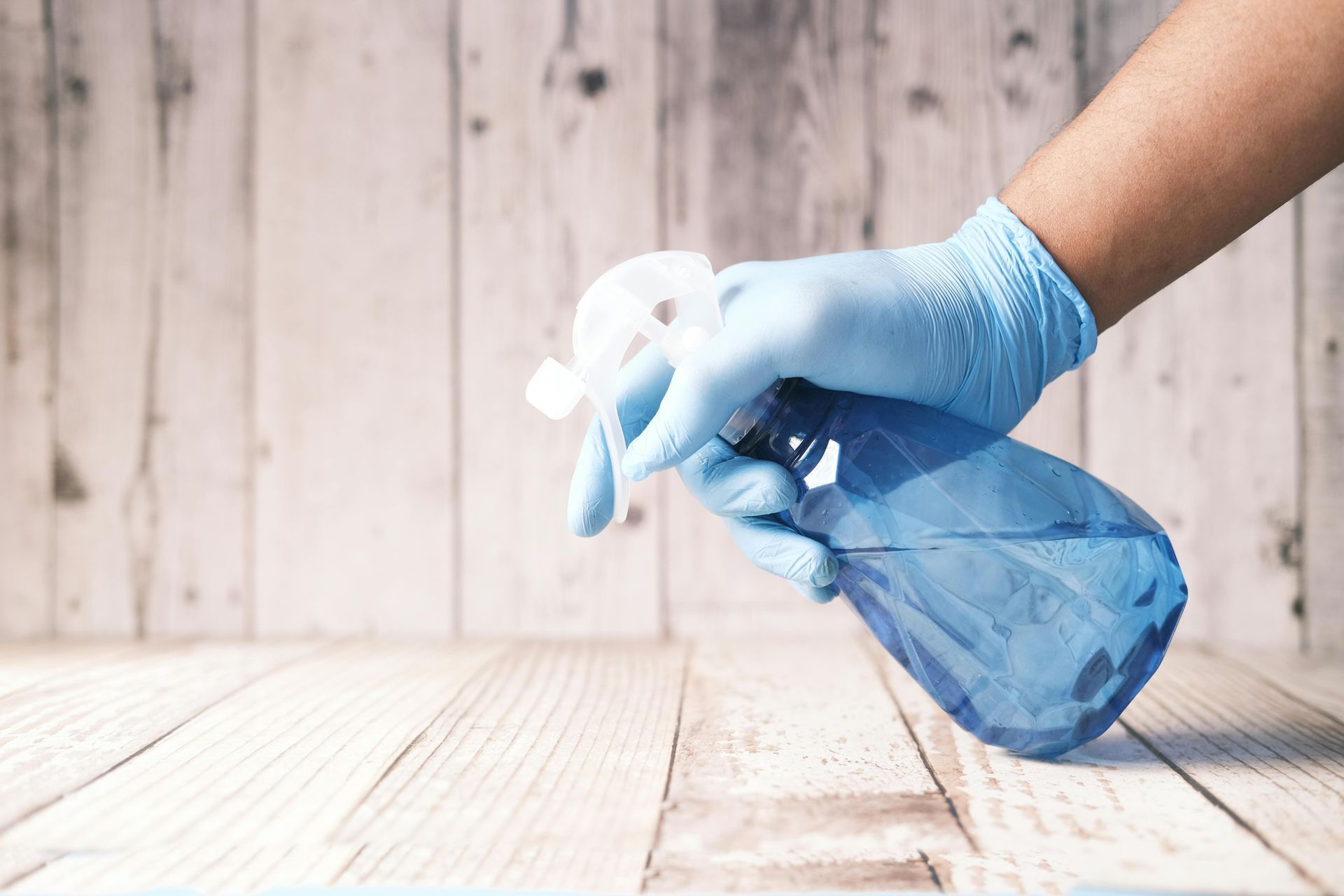
To my mind, there is nothing worse than having to force my hands into a pair of tight rubber gloves to protect myself from unhealthy to downright dangerous, mass-produced, chemical-infused, strongly-perfumed and eyewateringly-expensive cleaning products that line the shelves of supermarkets. In my opinion, their sinister contents should not be allowed to come near a home, let alone a human being.
Most of these cleaning products contain hazardous chemicals that can cause skin irritation, dermatitis, severe burns, eye damage and breathing issues (such as asthma). They can be lethal if consumed accidentally by children and key risks involve inhalation of fumes, skin contact with acidic or caustic substances (such as floor cleaners, oven cleaners and bleach). There is also the problem of unpredictable and dangerous reactions caused when mixing different products.
We are advised to check hazard labels for corrosive, flammable and toxic symbols, we are advised to ensure proper ventilation when in use and yet we still buy it as if it were the most natural thing in the world.
Traditional is best
There are plenty of traditional cleaning methods using natural ingredients that have been cleaning homes (and people) perfectly well over the centuries and even today in households that honour the old ways of doing things and doing them well.
My late Mum was brought up in a house where she was tasked with blacking the grate and beating those rugs I mentioned in the back yard. She knew how to clean a home from top to bottom, and tasked me with the job of pulling out furniture to make sure that even the dirt that was hiding had no chance of an escape. She made me do the ironing to her exacting standard before I could go out with my friends and even though it was excrutiatingly boring - she made me do it properly and she taught me well.
You would think it might have put me off housekeeping for life but rather the opposite happened. I have always enjoyed cleaning things and it has meant I can keep a clean home without having to pay someone to keep it clean for me.
Natural Ingredients & Combinations
- Multi-purpose cleaner = white vinegar + lemon juice
Mix the juice of half a lemon with 4 tablespoons of bicarbonate of soda to make a paste and apply to the area. Remove any residue with water and cloth. - Kitchen cleaner = bicarbonate of soda
Mix 4 tablespoons with 450ml warm water and add to a spray bottle to use. To clean stainless steel, dissolve the bicarbonate of soda with some warm water to make a paste. With a soft cloth, rub the surface to remove marks and then buff it with a clean cloth to shine. - Bathroom scrub = bicarbonate of soda + salt
For a dry scrub cleaner that works well in a bathroom to cut through soap residue, mix equal parts bicarbonate of soda and salt into a paste. - Mould remover = white vinegar + table salt
Add white wine vinegar to a spray bottle (recycle one of your old bottles), spray over the mould, leave for 20 mins, then dip an old toothbrush into table salt and scrub away. - Glass cleaner = white vinegar + rubbing alcohol + lemon juice (optional)
Mix 250ml water with 3 tablespoons white vinegar and 60ml rubbing alcohol in a spray bottle. Use as you would a regular glass cleaner. - Air freshener = house plants
Plants complement indoor air quality efforts by Increasing humidity which soothes dry airways. Houseplants absorb carbon dioxide and release oxygen, reducing airborne toxins in small, enclosed spaces. - Air purifier = essential oils
Essential oils benefit the home by creating a calming or energising atmosphere, enhancing air quality and providing natural, non-toxic alternatives to cleaners and pest control sprays. Used with diffusers, pure essential oils provide aromatherapy to reduce stress and improve sleep, while specific oils like Tea Tree, Eucalyptus, Thyme, Oregano, Clove and Lemongrass, kill airborne bacteria and fungi.
SOURCE: How to clean your home without harmful chemicals - Breast Cancer UK
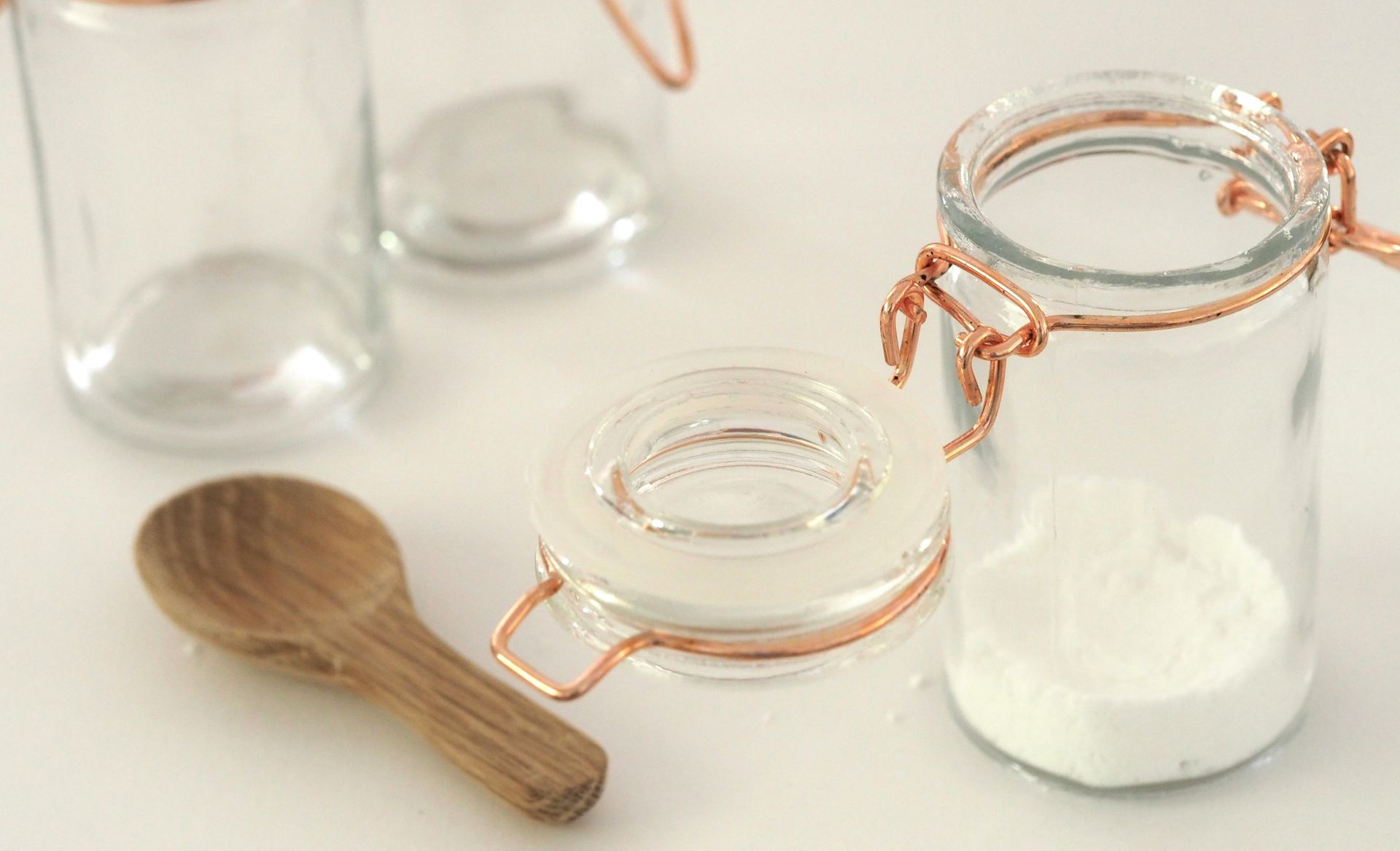
I hope you enjoy making your own natural cleaning products to use for this year's Spring Clean. You will be pleasantly surprised by the results, so much so that you might like to keep using them for your optimum health and happiness throughout the year.
Much love
Sue Xx
Thank you for sharing!
for you, for me and for Mother Nature
Latest Posts



All Posts