A Healing Herb (Lovage)
An ancient herb treasured for its healing and cleansing properties
A Healing Herb Guide
Lovage is the twenty-first herb to feature in my Healing Herb Guide.
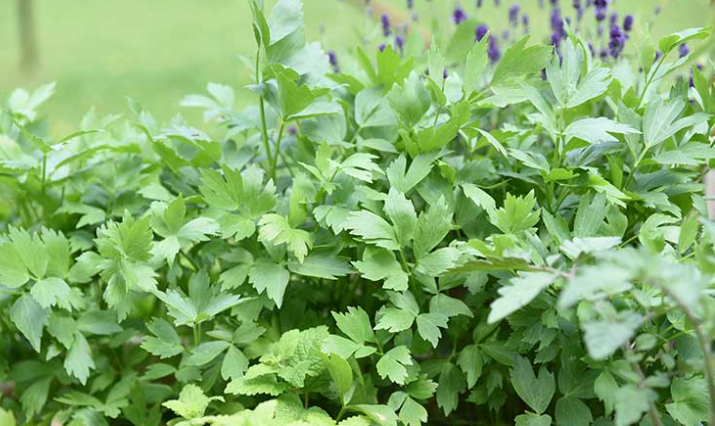
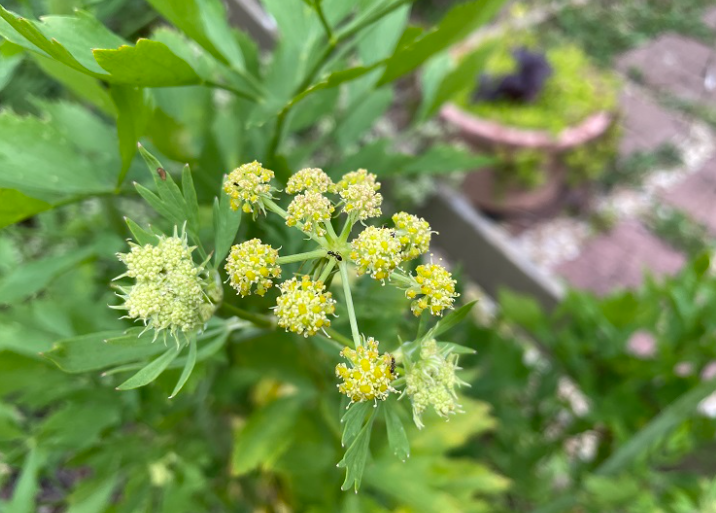
The word Lovage originates from the term, love-ache, with ache being a medieval name for Parsley that comes from the same plant family. It is a perineal herb that can grow up to ten feet tall and can be found in meadows and fields in umbrella like clusters that produce bright yellow flowers in mid Summer. The ‘love’ part originates from the Latin name, Levisticum, which may be derived from ligusticum, meaning ‘Of Liguria’, a place in the north of Italy where Lovage grew in abundance.
Lovage belongs to the Apiaceae family, which includes Parsley, Celery and Dill. It has a flavour similar to celery, with a hint of Anise, making it a flavoursome addition to culinary dishes. The leaves and seeds are aromatic and are used in teas. Its roots contain medicinal properties and these are commonly used in herbal medicines, often in tincture form.
Lovage is valued for its healing properties and its ability to support many different systems within the body. The roots are both nutritive and restorative. The plant contains properties that help to cleanse and revitalise organs, and to support the health of the urinary tract. This is why Lovage should be avoided during pregnancy (in medicinal doses) as it acts as an emmenagogue (stimulates menstruation) and this could increase the risk of miscarriage or premature labour. Lovage helps to activate the immune and lymphatic system, and is especially helpful during the Winter as it helps to expel mucus from the respiratory tract.
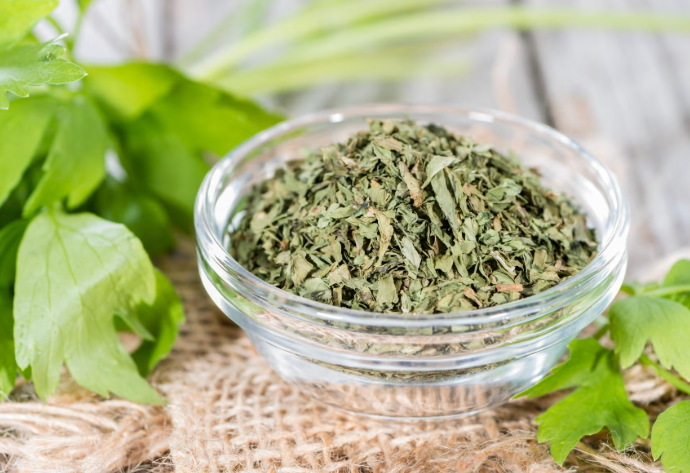
As a culinary herb, Lovage is known as Sea Parsley, where the leaves and stems of the plant add an intense celery-like flavour to soups, stews and stocks, or pork and poultry dishes. The leaves can be eaten raw and are often used for garnishing dishes, making herbal teas or mixing into salads.
I hope you enjoy discovering the life-giving and healing benefits of Lovage - a medicinal, culinary and aromatic herb that will serve you well in support of your general good health, healing and wellbeing.

Folklore
In medieval times, Lovage was believed to have magical properties that could influence matters of the heart. It was often included in love potions and rituals intended to attract affection, deepen emotional bonds and remove emotional barriers. Lovage's romantic-sounding name made it a favourite in European love charms and rituals where they would bathe in the leaves, believing that the scent would attract new love.
Historically, Lovage was worn by brides during their wedding ceremonies. It was wound into their hair or sprigs were sown into their dresses. It was said to bring good fortune and ensure marital harmony. Lovage was also placed under mattresses and beds to attract positive energies and keep negative influences away.
Some legends even suggested that burying a bundle of Lovage Leaf tied with coloured threads (usually red, green, and white) in the foundations of a home would guarantee lasting love and prosperity for couples living there.
Lovage is thought to be native to Afghanistan and Iran, making its way to Europe and western Asia. In ancient times the herb thrived in the Liguria region of northwest Italy (now the Italian Riviera). Thus it is was often referred to as Ligusticum, the latin for Liguria.
The ancient Greeks used it mostly in cooking, using the seeds, leaves and stems for stocks and flavouring. The ancient Romans brought the plant to their colonies in the Britain Isles where Dr Samuel Johnson recommended it for rheumatism. Like many other herbs, it was grown in Medieval gardens for medicinal purposes, and Queen Victoria was known to carry candied Lovage seeds in her pockets where she even had pockets sewn into her dresses to carry the seedy snack.
In Pagan tradition, Lovage was used to relieve exhaustion. Leaves were placed in the shoes of weary travellers or steeped in baths with aromatic essential oils to soothe tired bones and relieve muscle aches.
Nutrition
Lovage is packed with Vitamin C and various B-complex vitamins. The plant contains good amounts of calcium, potassium and magnesium. This leafy healing herb is also known for having a substantial amount of quercetin, a flavonoid with anti-inflammatory and antioxidant properties that help to lower blood pressure, boost the immune system, ease skin irritations and serve as a pain reliever.
Lovage also contains iron and potassium which are essential for cardiovascular health. Other natural compounds, such as camphor, eugenol and limonene which are bioactive plant-derived compounds (terpenes/terpenoids) frequently found in essential oils. These compounds contribute to the herb's aroma and healing and antimicrobal properties.
Above all, Lovage is a versatile, aromatic herb with an intense celery-like flavour, accented by hints of
Parsley and Anise. Often used sparingly, it is ideal for flavouring soups, stews, broths, potato dishes and poultry.
Remedies
Ancient Greek physicians prescribed lovage for digestive discomfort, referencing its carminative properties. In medieval Europe, chewing the seeds freshened breath during long pilgrimages, and bathing in a lovage infusion was rumored to relieve rheumatism.
Historically, the root acted as a mild diuretic to support kidney health and as an expectorant for bronchial congestion. The herb’s essential oil—containing ligustilide, eugenol, and limonene—was valued for antiseptic qualities and wound cleansing.
Research studies have identified the antioxidant capacity of Lovage leaf extracts, notably in removing free radicals implicated in cardiovascular disease. Preliminary trials indicate antimicrobial effects against Staphylococcus Aureus and Escherichia Coli, supporting traditional topical uses.
Various parts of the Lovage plant have been used since ancient times in traditional medicine, serving as a herbal remedy for ailments including inflammation, indigestion, joint pain and headaches. It has historically been used as a diuretic, a stimulant and as a treatment for a variety of ailments from jaundice to sore throats, and as a means to regulate menstrual cycles. Lovage can be made into a salve to soothe rashes and psoriasis, and to combat acne.
Like many members of the Apiaceae family, Lovage contains furanocoumarins that may increase photosensitivity when consumed in very large amounts or applied directly to skin. Medicinal doses should be avoided during pregnancy because of its uterine-stimulating effects, though culinary use remains widely regarded as safe.
SOURCE: Lovage - The Fogotten Herb by Survival Garden Seeds
Recipes
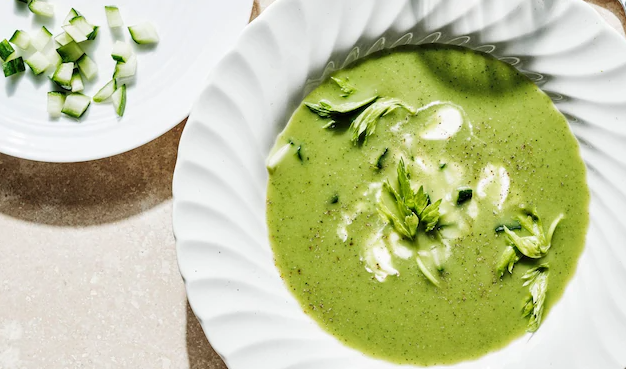
Lovage and Lettuce Soup
This simple and delicious recipe is perfect if you grow your own lettuce or have one in the fridge that you don't know what to do with on a cold Winter's day. Lovage is a tasty herb that grows vigorously in gardens, hedgerows and fields. They can be foraged in the wild and their celery like flavour is perfect for both soups and stews.
Lovage leaves are best picked when they are young and fresh in early Spring with seeds gathered in late Summer to dry and store for Winter cooking and healing herbal teas.
Ingredients
1 x Onion, peeled and finely chopped
1 x Clove Garlic, peeled and sliced
1 x medium Potato, peeled and diced (optional)
1 x head of lettuce – about 500g, sliced
1 litre x Chicken or Vegetable Stock
1 x 50g Lovage leaves
1 x 50g Parsley
1 x 25g Organic Butter
Celtic Sea Salt and Cracked Black Pepper
Organic Cold-Pressed Virgin Olive Oil
Directions
- Heat a small amount of Olive Oil in a large saucepan and gently saute the onion.
- Season with Salt and Pepper, cover and cook for about 10 minutes on a low heat until onions are soft.
- Add the Garlic, Potato and a good splash of filtered water before covering and cooking gently for another 10 minutes until the Potatoes are nearly cooked through.
- Add the Lettuce and stir over a medium heat for a few minutes until the leaves have have wilted, then add the stock.
- Bring to a boil and add the Lovage, Parsley and Butter.
- Reduce the heat and simmer for one minute before blending until smooth.
- Strain through a sieve, sprinkle with cracked Black Pepper, add a few leaves of Lovage for garnish and serve hot with warm crunchy bread and butter.
I hope you enjoyed this post about the healing and health benefits Lovage, one of the oldest known herbs that has brought many benefits to our health, culinary enjoyment and wellbeing over the centuries.
Thank you for following this ongoing series of remarkable herbs. I look forward to seeing you again soon.
Sue Cartwright
Spiral Leaf
Thank you for sharing!
for you, for me and for Mother Nature
Latest Posts




All Posts