A Healing Spice (Saffron)
Saffron is a highly versatile medicinal spice and natural mood booster
A Healing Spice Guide
Saffron is the eleventh spice to feature in my Healing Spice Guide.
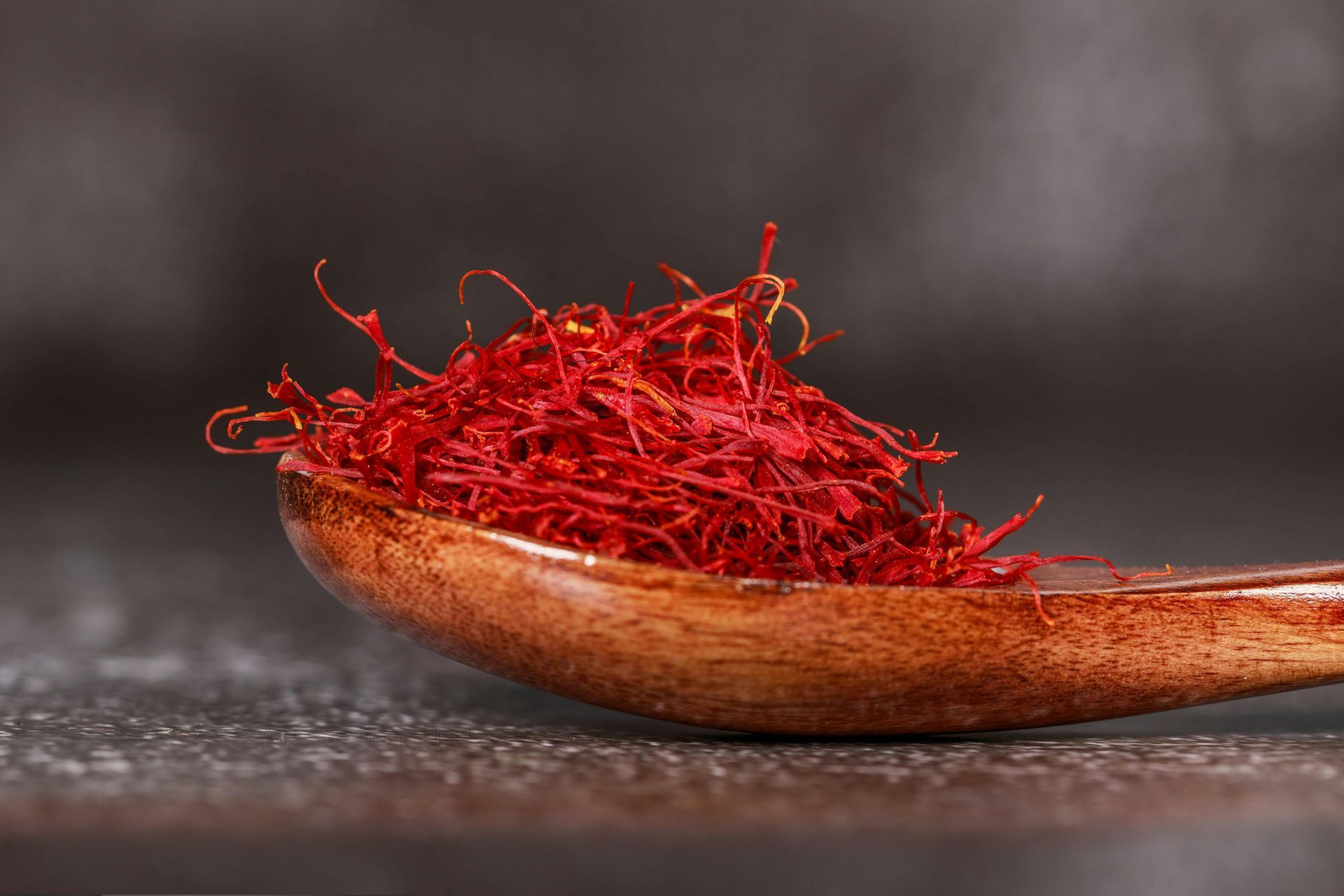
Saffron is a powerful symbol of the Sun, representing light, energy and the cycle of dawn and dusk, especially in Hinduism and ancient cultures. Saffron was a symbol for spiritual awakening, purity, sacrifice and the triumph of light over darkness. It was the chosen colour of robes worn by monks and yogis, its vibrancy reflecting the sunrise, signifying new beginnings, divine knowledge, selfless service and unconditional giving.
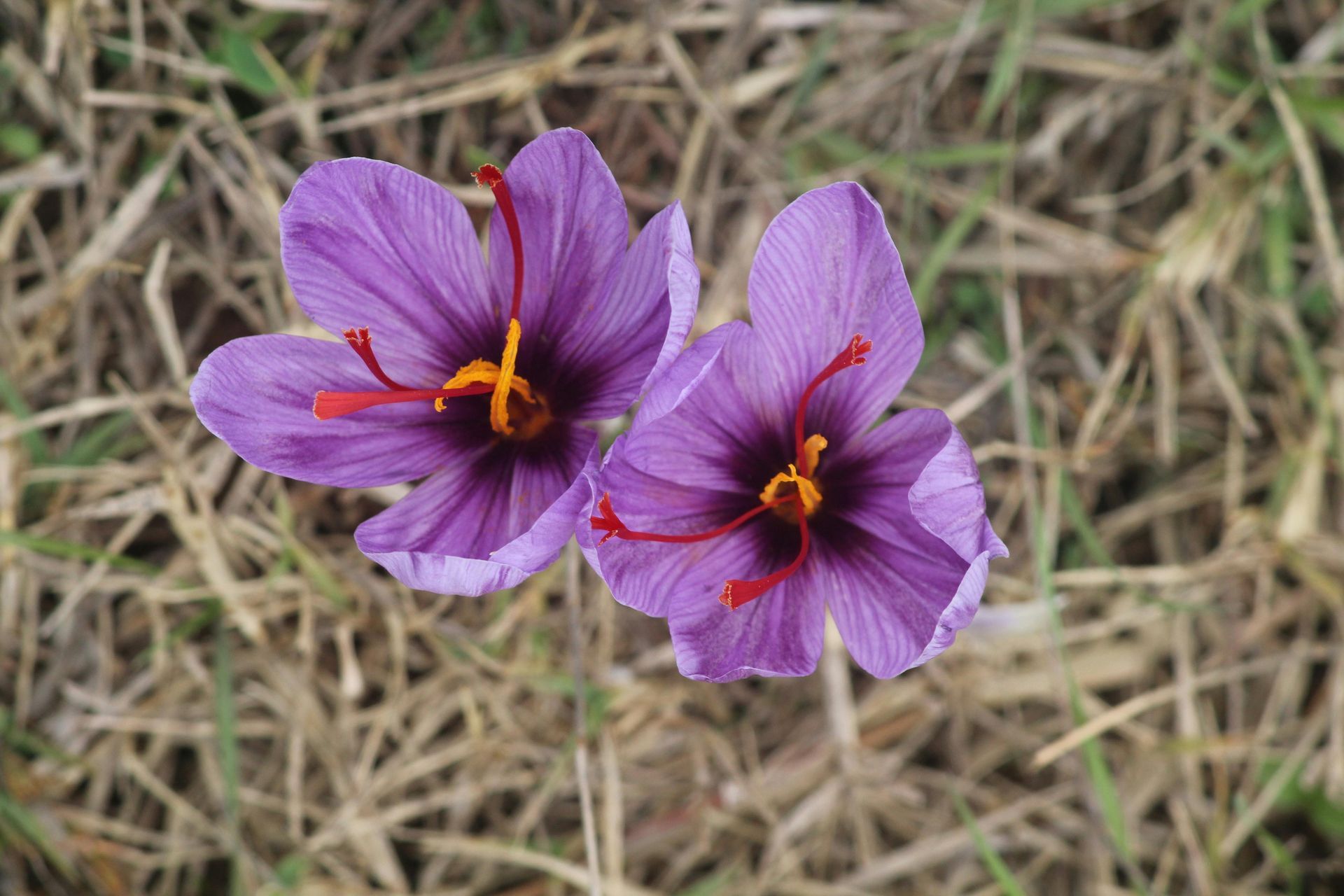
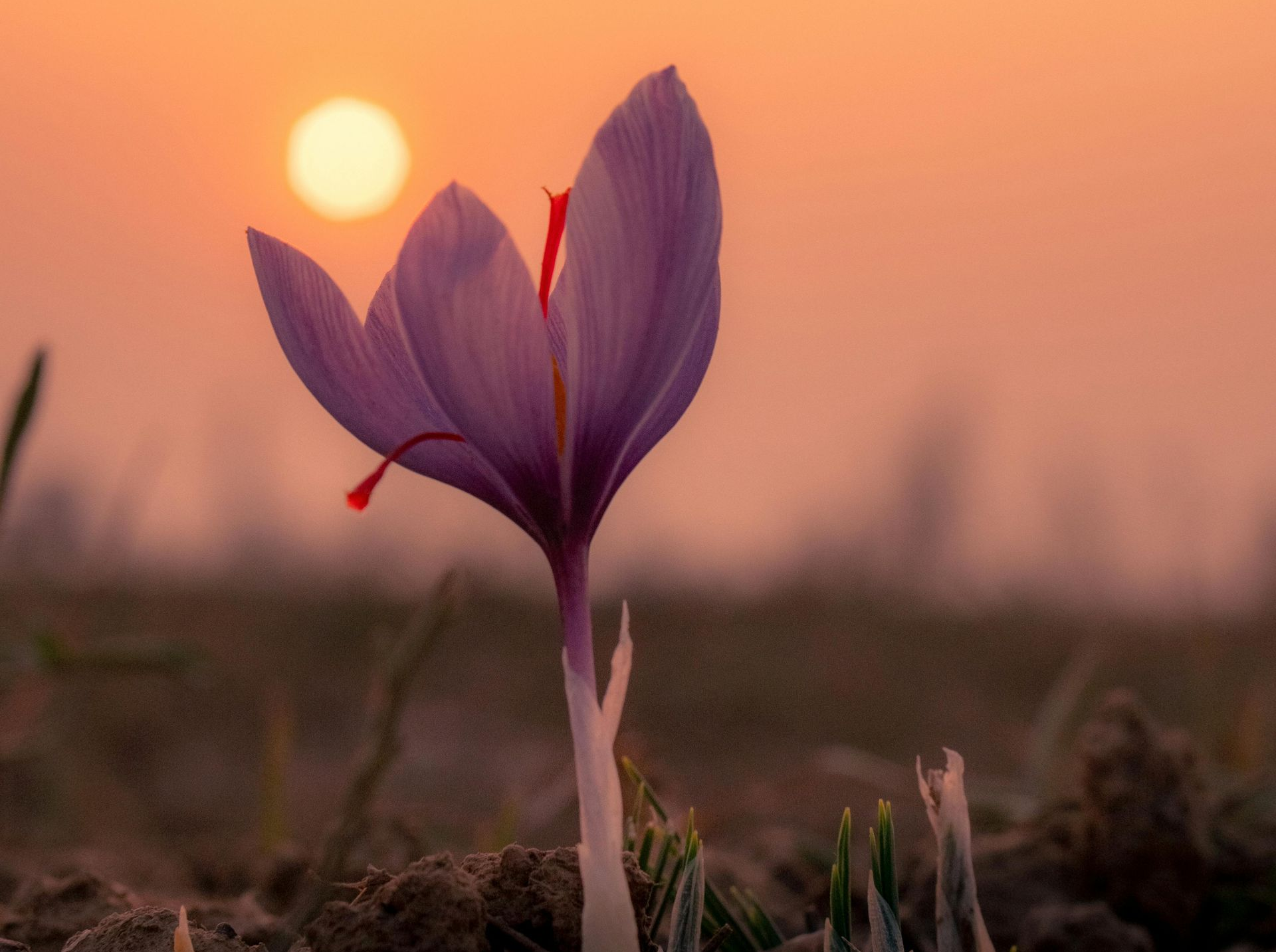
Saffron comes from the red stigmas (or threads) of the Crocus Sativus flower. Each flower produces three tiny strands, which must be carefully picked by hand during the Autumn bloom. For centuries, Saffron has been used as a culinary spice, a traditional medicine and as a natural dye. You can grow Crocus Sativus bulbs and produce Saffron yourself — authentic and fresh from your own harvest.
Saffron Sativus bulbs are planted in Summer from July through to September. Flowers appear in Autumn from October to November when the three Saffron threads are harvested and dried. With the right soil and a sunny spot, growing Saffron is relatively easy. The bulbs multiply each year to yield a rewarding and sustainable crop.
Saffron has long been known to ease depression, and improve cognitive function and heart health due to its antioxidants and anti-inflammatory compounds.
I hope you enjoy the healing benefits of Saffron - a wonderful addition for herbal teas and culinary dishes for your general good health, happiness and wellbeing.
Folklore
It is believed that Saffron originated from a Crocus species that grew wild in Greece and was selected and domesticated in Crete during the late Bronze Age.
According to Greek myth, Saffron originated from a tragic romance between the mortal Crocus who fell hopelessly in love with the nymph Smilax. The gods turned him into the crocus flower when his love went unreturned and since then, Saffron has symbolised both passion and longing.
Legend tells us that Cleopatra added Saffron to her milk baths to keep her skin radiant. It was believed to have aphrodisiac effects where a pinch of Saffron was enough to channel her legendary charm.
Around 500 BC, the cultivation of Saffron spread from Persia to eastern India where, after Siddhartha Gautama's death, it was decided that the robes of the title class of Buddhist priests should forever be coloured using spices such as Turmeric or Gamboge Resin. This created the same deep yellow to orange hue as Saffron, although this expensive spice was not used for dying clothes.
The resulting saffron robes symbolised a detachment from materialism. The process of dying the cloth that was steeped in dye, dried in the Sun, and dipped repeatedly, sometimes dozens of times, over a period of days, symbolised their slow and deliberate life.
In Medieval times, Saffron was precribed by physicians for ailments from coughs to melancholy. Simply smelling Saffron was said to lift the spirits, although they warned that too much might make you laugh yourself to death.
Nutrition
Saffron has a distinct flavour that comes from chemical compounds in it such as picrocrocin and safranal. Even though it comes from a flower, its taste is not simply floral, it’s a layered mix of earthy, honey-like sweetness with subtle bitterness and hints of dried fruit, hay, and smoke.
The best quality Saffron contains over 25 different aromatic compounds that contribute to its distinctive profile. This is why it is considered to be a prized ingredient in cuisines from India to Italy as there is no substitute for its distinctive flavour. Saffron also contains a natural carotenoid chemical compound called crocin, responsible for its golden-yellow hue.
Saffron is an excellent source of minerals including copper, potassium, calcium, manganese, iron, selenium, zinc and magnesium. Potassium is an important component of cell and body fluids that helps control heart rate and blood pressure. The human body uses manganese and copper to release iron which is essential for red blood cell production.
Additionally, it is also rich in many vital vitamins, including vitamin-A, folic acid, riboflavin, niacin and vitamin-C that is essential for optimum health.
Saffron is incredibly versatile and is used to flavour and colour rice dishes. It pairs well with seafood, legumes and fried fish.
Remedies
Saffron contains several plant-derived chemical compounds known to have antioxidant, disease preventing and health promoting properties.
The flower pistils contain several essential volatile oils, the most important being safranal which gives Saffron its pleasant flavour. Other volatile oils include cineole, phenethenol, pinene, borneol, geraniol, limonene, p-cymene, linalool, terpinen-4-oil and more.
Saffron contains other carotenoids or antioxidants such as
zeaxanthin,
lycopene
and
caroteneswhich help to protect the body from oxidant-induced stress, cancers and infections. It was used for many therapeutic applications in traditional medicines due to its antiseptic, antidepressant, antioxidant, digestive and anti-convulsant properties.
Saffron Herbal Tea
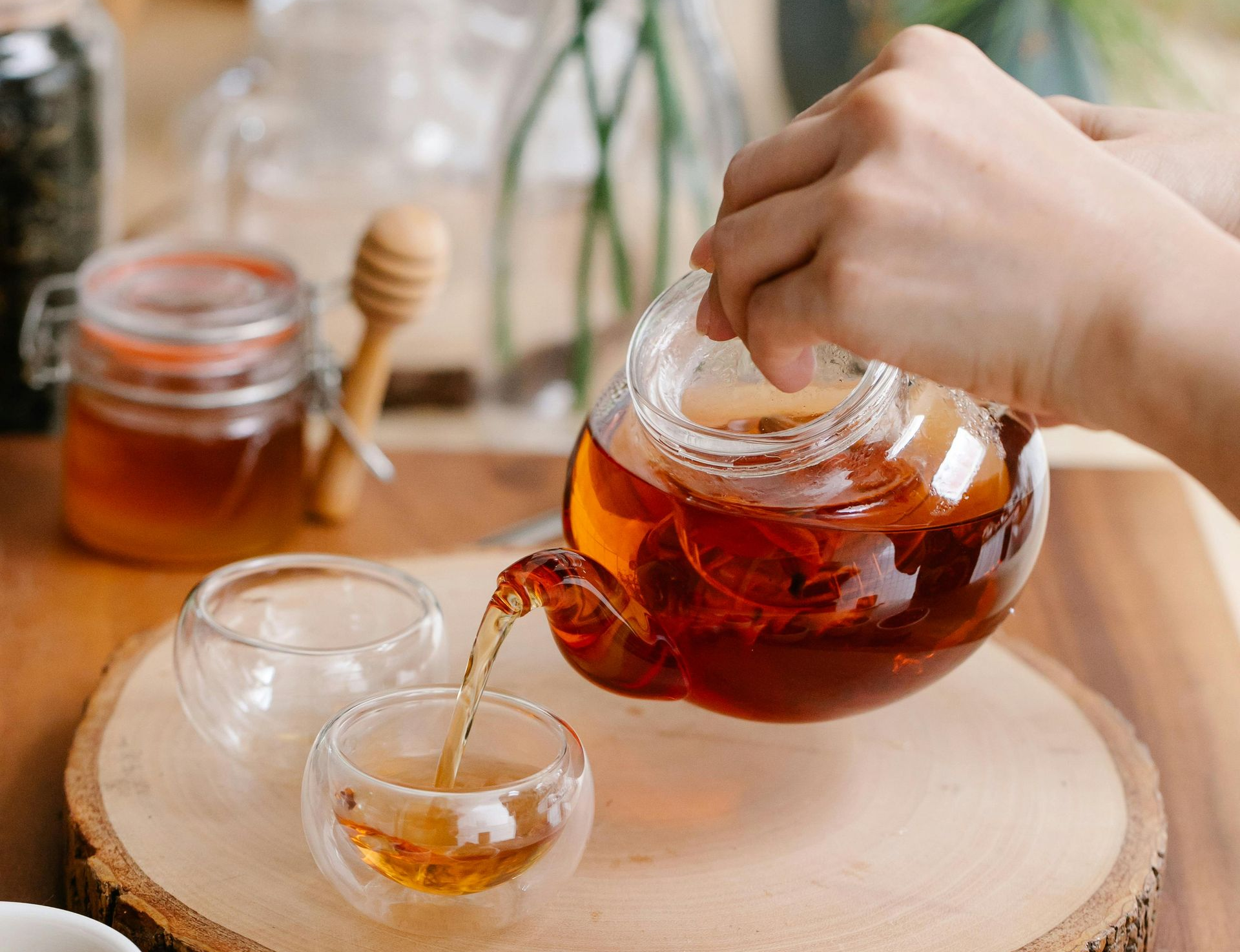
Saffron Herbal tea is easy to make and provides benefits for your physical and mental health.
- Take 3-5 threads of whole Saffron (or a pinch of dried) Saffron.
- Bring 8oz (1 cup) of filtered water to the boil.
- Add a large slice of fresh Ginger (optional) and simmer gently for 5 minutes.
- Strain and serve into a cup or mug, add a slice of fresh Lemon and Raw Honey to taste.
- When you have finished your drink, you can top up with water for another round.
Recipes
Saffron is a versatile spice that pairs well with apples, almonds, Cardamom, honey, poultry, bone broth, milk, cream, ice cream, Cinnamon, lamb, chorizo, seafood, garlic, white wine, apple cider vinegar, rose water, citrus fruits, rice pudding, and cakes flavoured with rosewater or almond.
Saffron enhances many a rice dish including paella, risotto alla Milanese and Indian biryani. It adds flavour and depth to vegetables including potatoes, carrots, fennel, onions, garlic, eggplant and peas.
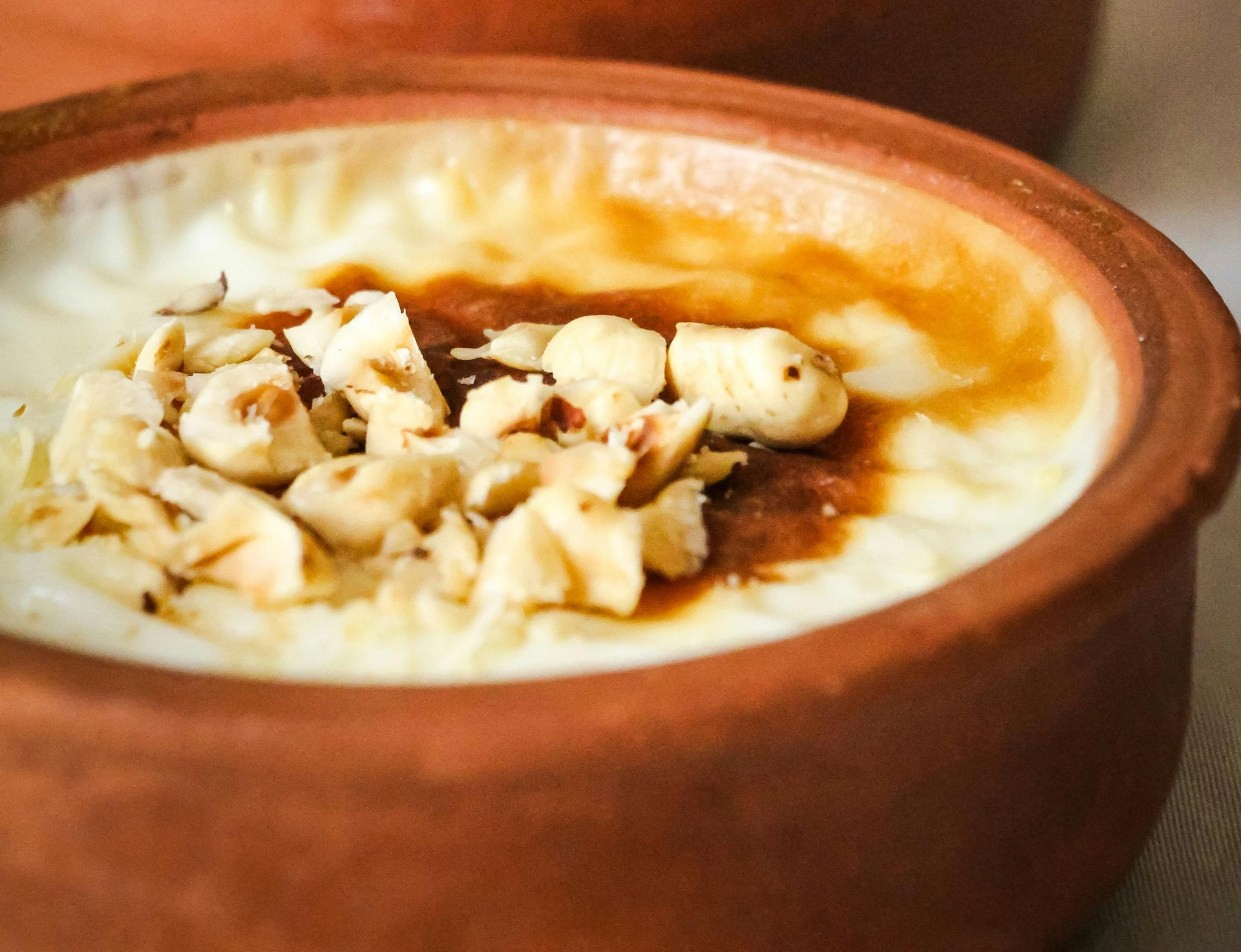
A wonderfully nostalgic, creamy and warming Saffron dessert is just the thing for a healthy treat on a cold Winter's day.
Saffron & Cardamon Rice Pudding
- 50 gms x Basmati Rice
- 2.2 lts x whole Milk (or Raw Milk)
- 3-5 threads or a pinch x Saffron
- 1 pod x Green Cardamom
- 6 tbsp x Soft Light Brown Sugar
- 15g x Flaked Almonds (toasted)
- Finely chopped Nuts to garnish
Directions
- Soak the rice in enough water to just cover it for 10 minutes.
- Heat the milk with the Saffron threads and crushed Cardamom Seeds in a deep pan and let it come to a boil.
- Drain the water from the rice and add the rice to the milk.
- On a low heat, cook the rice uncovered for 2-2½ hours at a gentle simmer, stirring regularly to break up the rice and ensure that it doesn’t stick to the bottom. The milk will gradually reduce to about 1/4 of its original volume.
- After the rice and the milk have thickened to a thin porridge consistency, add the sugar and the flaked almonds. Continue to cook on a low heat for about 5-10 minutes, stirring often so that no lumps form.
- Serve hot or cold scattered with more crushed cardamom, if required.
SOURCE: Olive Magazine -
Saffron & Cardamon Rice Pudding
I hope you enjoyed this post about the healing and health benefits Saffron, a spice with so much to give bringing many benefits to our health and wellbeing. Thank you for following this ongoing series of remarkable spices.
I look forward to seeing you again soon.
Sue Cartwright
Spiral Leaf
Thank you for sharing!
for you, for me and for Mother Nature
Latest Posts



All Posts