A Healing Spice (Cardamom)
An ancient spice prized for its unique sweet flavour and medicinal properties

A Healing Spice Guide
Cardamom is the twelfth spice to feature in my Healing Spice Guide.
The qualities of Cardamom resonate through history with one of its oldest spices, the pods of which were chewed by ancient Egyptians to whiten their teeth and sweeten their breath. It is a member of the Ginger plant family along with Turmeric.
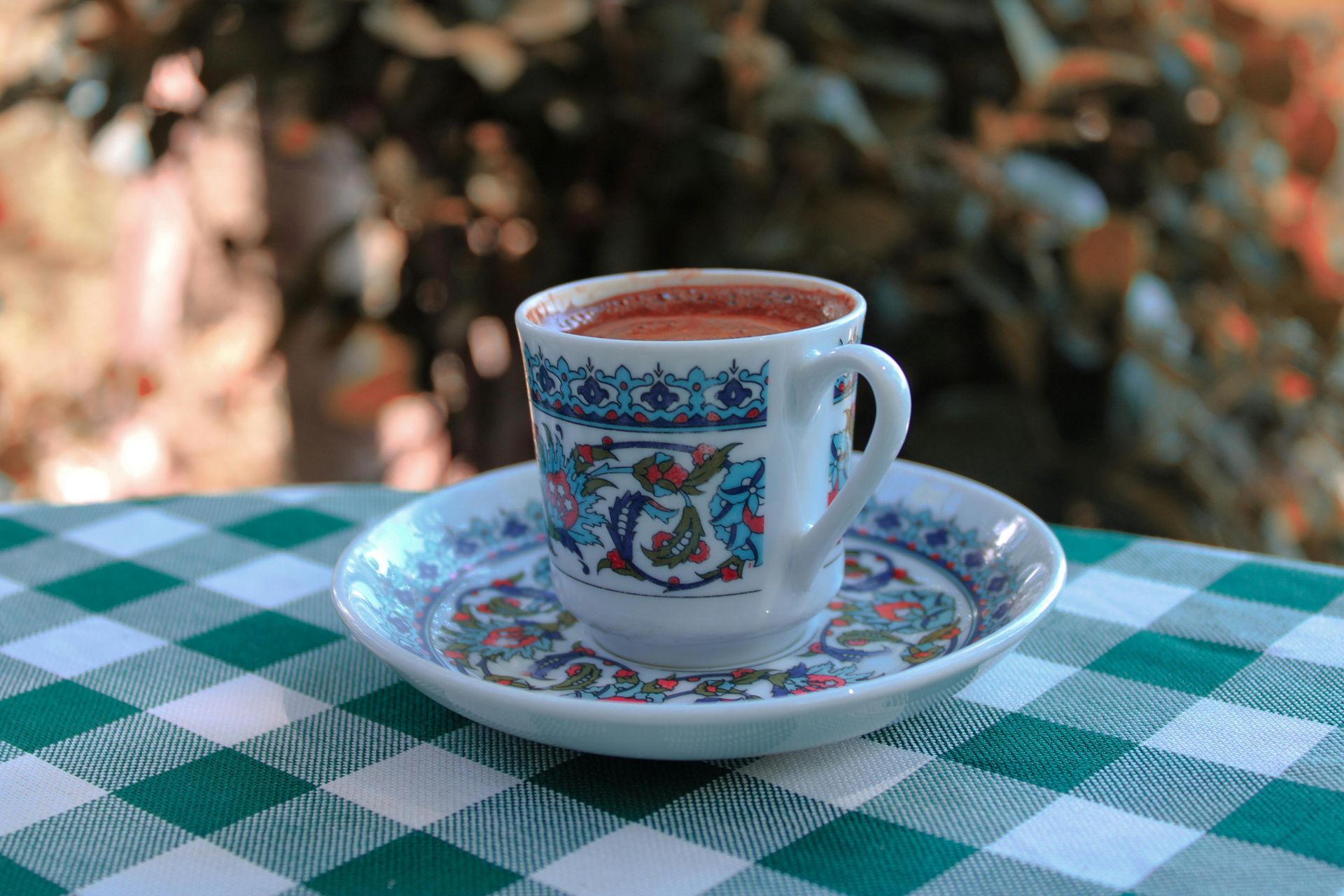
Cardamom is a warm spice with a hint of sweetness, It blends well with chocolate and with caffeine in famous Turkish coffees and it's a key ingredient in Middle Eastern coffee with the addition of Rose Water (see below).
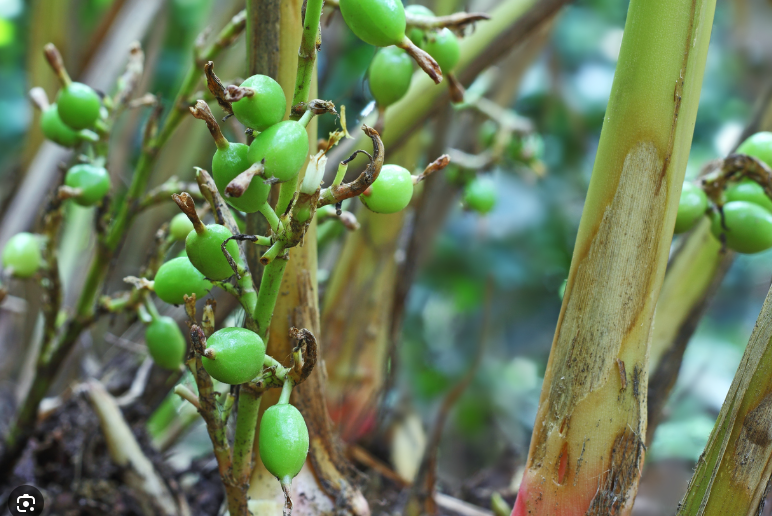
Cardamom is an herbaceous perennial plant with a rhizome. It grows long stems that resemble bamboo stalks with long, lanceolate leaves that grow from each node. The rhizome is situated at the base of the plant from which small stems crawl over the ground, giving rise to flowers and the fruits of green Cardamom.
Cardamom is a spice that brings freshness with notes of
camphoraceous,
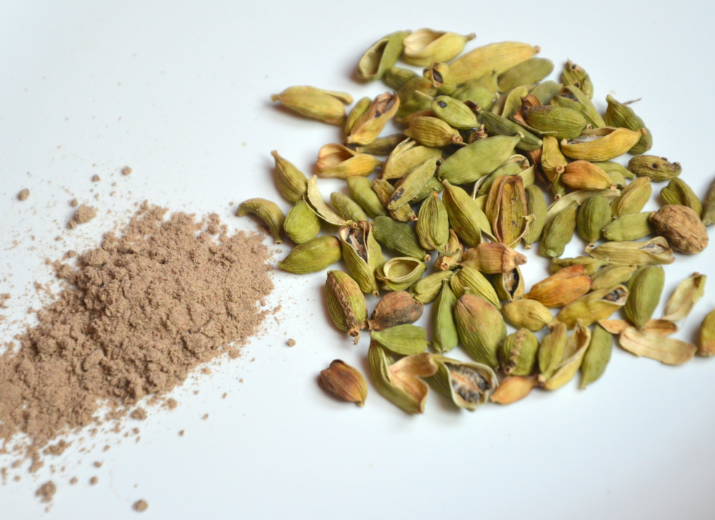
similar to pine sap or eucalyptus with a hint of lemon. Cardamom is a powerful spice and it's the seeds that provide the flavour and taste. The green capsule is a natural wrapper that contains the seeds while they are steeping or during cooking.
I hope you enjoy the healing benefits of Cardamon - a wonderful addition to herbal teas and culinary dishes for your general good health, happiness and wellbeing.
Folklore
Cardamom is a spice native to India, specifically the Kerala region in south-east India, in the mountains of the same name, the Cardamom Mountains. Records of its use date back to 3000 BC. It was introduced to Europe in the early Middle Ages by the Arabs was sold to the Greeks and Romans for making perfume and for use in cooking.
Cardamon was once a key ingredient in ancient Egyptian incense and was often used as a substitute for Cinnamon. It found its way into many a love potion as it was associated it with Venus, the Goddess of love and beauty.
Following Vasco da Gama's arrival on the Malabar coast on May 20, 1498, Cardamom and other spices were exported to Europe. However, Cardamom was was supplanted by Paprika and Ginger, which Europeans preferred. It continued to be valued for its therapeutic virtues and today, with the discovery of new cuisines and spice discoveries, it's has returned to the spotlight.
In pagan times, Cardamom pods were thought to make another fall in love with you which could be due to its aphrodisiac properties, or it could be because it neutraliszes the smell of garlic and other disagreeable odours.
Cardamom has long been known as a symbol of hospitality. It is believed to bring on peaceful thoughts and to relax mind and body. It was considered the perfect ingredient for a refreshing and soothing herbal tea in the middle of a hectic day (see below).

Nutrition
Cardamom is a spice that contains manganese, fiber and iron with antioxidant and antimicrobial benefits. It also contains magnesium, calcium and zinc which are highly effective to aid digestion, reduce blood pressure and promote oral health.
Cardamom pods can be chewed after meals for fresh breath and digestive support. Ground Cardamom can be added to smoothies, lattes and hot chocolate drinks. While Cardamom is generally safe, consumption in excess may cause mild digestive upset so stick to 2-4 pods a day or a quarter to a half teaspoon of ground Cardamom per day.
Remedies
Cardamon provides relief for many ailments including:
- Help to heal infections by stimulating the kidneys to remove uric acid, urea, toxins, excess water and other waste products out of the body. This encourages more balanced inner health.
- An excellent breath freshener when pods are chewed with the added benefit of counteracting harmful bacteria in the mouth.
- Used in
Ayurvedic medicineto relive depression as Cardamon has a miraculous way of lifting the spirit and calming the nerves.
- Ground Cardamom seeds, administered regularly, have the ability to significantly reduce blood pressure if you are suffering from hypertension.
Fresh Cardamom Tea
Fresh Cardamom Tea is a fragrant, soothing beverage made by boiling a handful of crushed Green Cardamom Pods in filtered water for 5-15 minutes. It can be enjoyed as it is or with fresh Ginger and a spoonful of Raw Honey for added warmth and taste. It is best made with fresh, crushed pods to release the aromatic essential oils.
There are a tremendous amount of benefits to be gained from drinking Fresh Cardamom Tea which is perfectly explained by Firebelly Tea in their excellent article -
A Spicy Cup Of Goodness: How Cardamom In Tea Boosts Your Well-Being- which I highly recommend if you are unfamiliar with this exceptional and gentle healing spice.

Recipes
Cardamom & Rose Coffee
Cardamom is a popular spice in the Middle East which is why this recipe, made with high quality organic Coffee, Cardamon Pods and Rose Water, provides a unique twist on your mid-morning coffee. Not only highly flavoursome, this healing drink aids digestion, reduces inflammation calms the nerves and enhances the mood. It's an antioxidant-rich beverage that balances caffeine acidity, promotes heart health and lowers blood pressure.
What you need
- 4 cups x filtered water
- 4 tbsp x ground organic coffee
- 4 x Cardamom Pods, lightly crushed
- 1 tbsp x organic and pure Rose Water
- Sugar to taste
How to make
- In a small pot, bring the water to a boil.
- Add the coffee and Cardamom pods, reduce the heat and simmer for 5-10 minutes.
- Remove the pot from the heat and let the coffee grounds settle to the bottom.
- Stir in the rose water and sugar to taste.
- Strain your coffee and pour into small cups to serve with a sweet treat.
I hope you enjoyed this post about the healing and health benefits Cardamom, one of the oldest spices that has brought many benefits to our health and wellbeing for centuries.
Thank you for following this ongoing series of remarkable spices and I look forward to seeing you again soon.
Sue Cartwright
Spiral Leaf
Thank you for sharing!
for you, for me and for Mother Nature
Latest Posts





All Posts