Things to do in Nature in January
Ways to get closer to Nature in the cold month of January
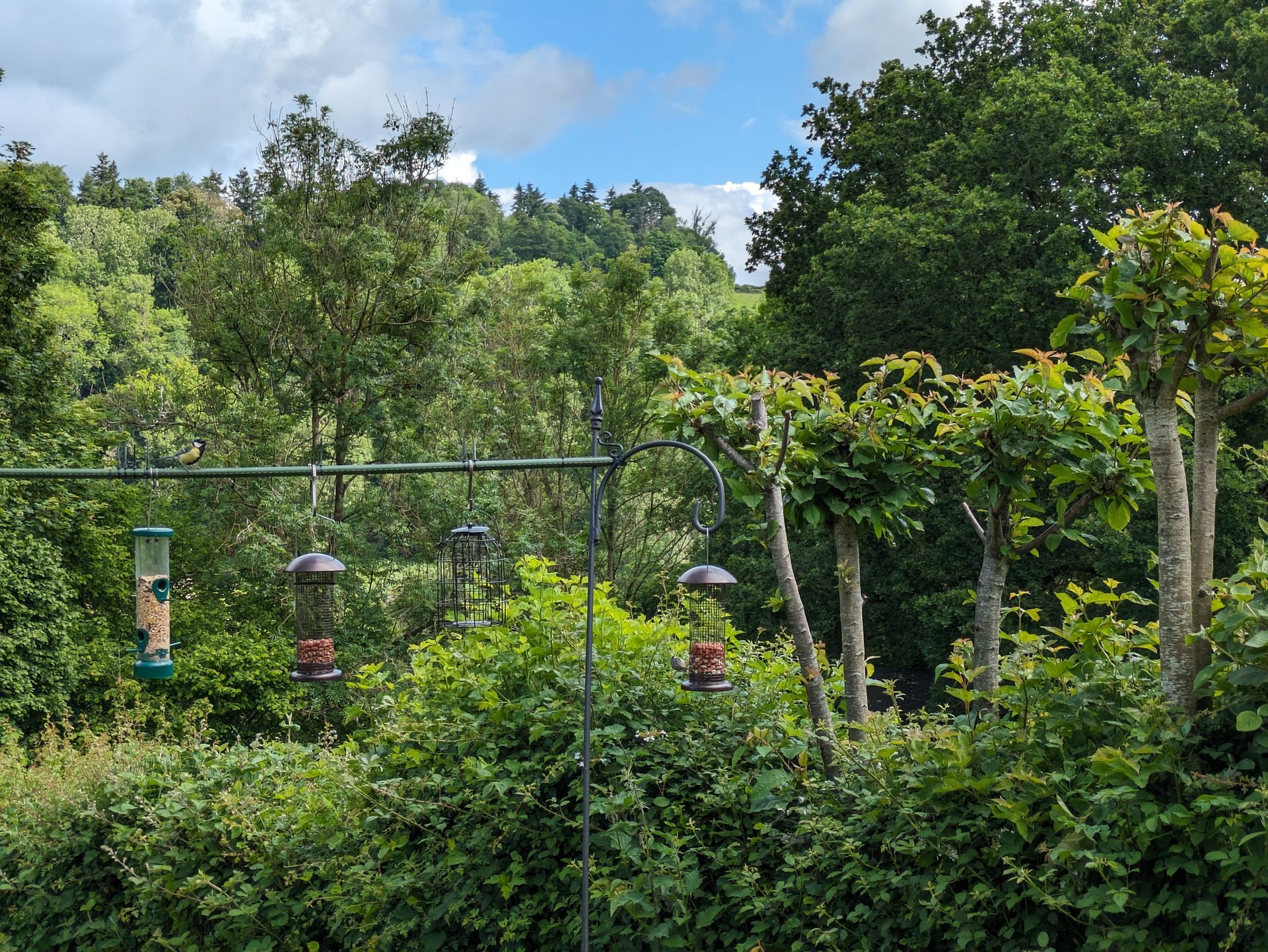
Feed the birds
One of the most important things we can do is put out plenty of wild food suitable for birds through January. Don't forget to leave fresh filtered water and make sure to clear away any ice so that they can drink freely from bird baths and bowls. With natural food stocks so low, this can be a life-saver for our feathered friends during the colder months.
Birds require high-energy (high quality fat) foods during cold weather to maintain their fat reserves. They need this to survive the frosty nights so make sure you use authentic natural wild bird food without any additives and leave out only high quality bird-friendly food and scraps.
Remove any unwanted food regularly and keep your feeders, water bowls and bird baths clean. Top up bowls and bird baths with fresh filtered water. Remember to break the ice on frosty mornings.
Find further information about what and when to feed your garden birds on the RSPB website - When to Feed Garden Birds.
Enjoy a refreshing walk
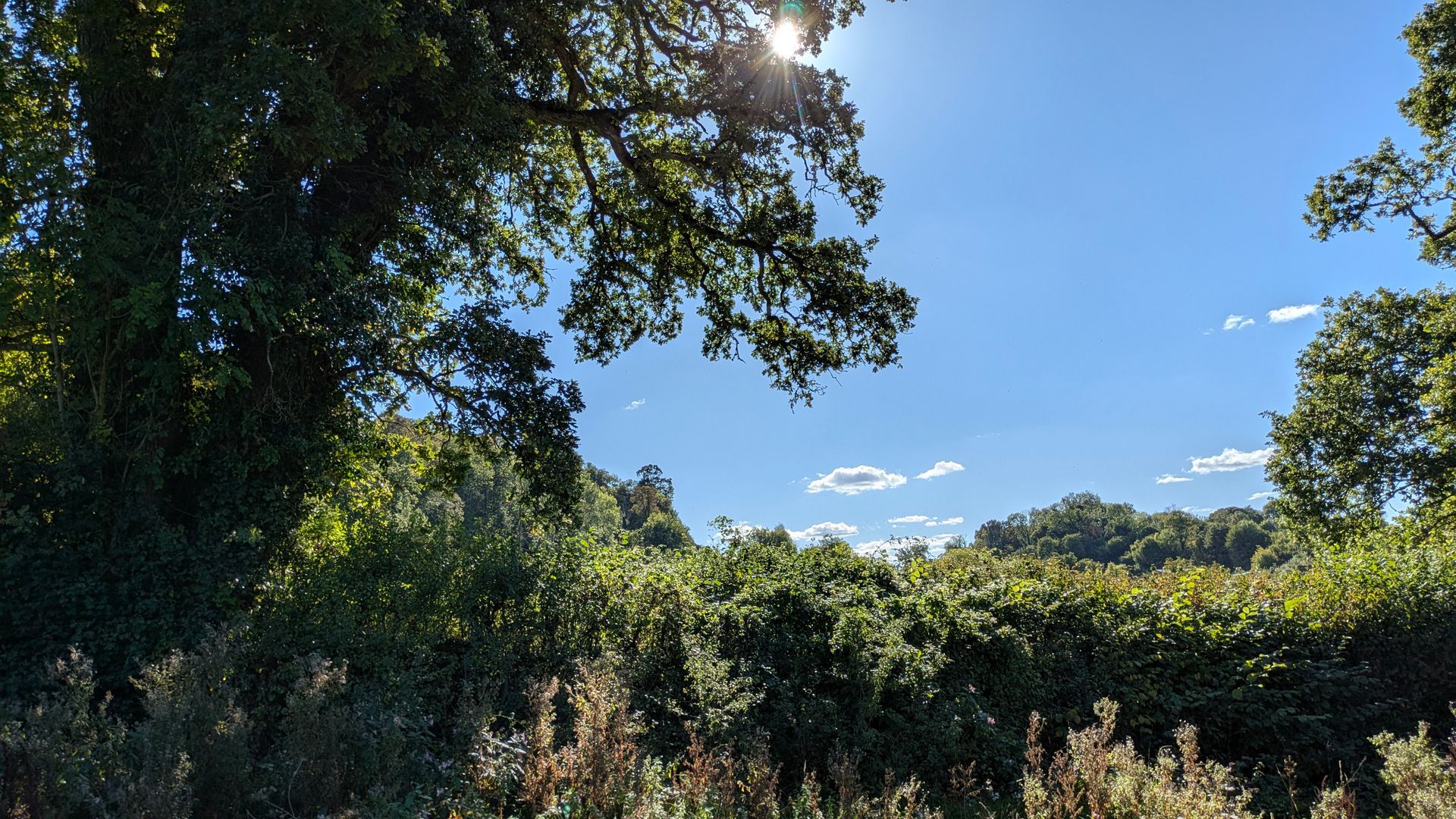
Some of my favourite places for long leisurely walks in Devon include national forests, ancient woodlands, coastal paths, moorland tors, healthland and rivers.
At this time of year, pathways are cushioned and coloured with fallen leaves and bright green moss, mature ferns and holly tree branches with bright red berries. Mother Nature's palette is rich and to be experienced as Nature sparkles in the cool air, especially after the rain.
Many of these areas are deserted during the Winter months so you can experience the feeling of being far from the maddening crowds to enjoy an invigorating walk exposed to the elements surrounded by the beauty of the surrounding landscape.
Walking is a wonderful way to release tension, tune into the natural rhythm of Nature and feel gratitude for the natural world that sustains us all through the year.
Take in the natural light
To keep our spirits up and allow our body to make Vitimin D naturally during the coldest months of the year, it is important to take in daylight during the day so that our eyes can absorb essential light from the low-lying Sun.
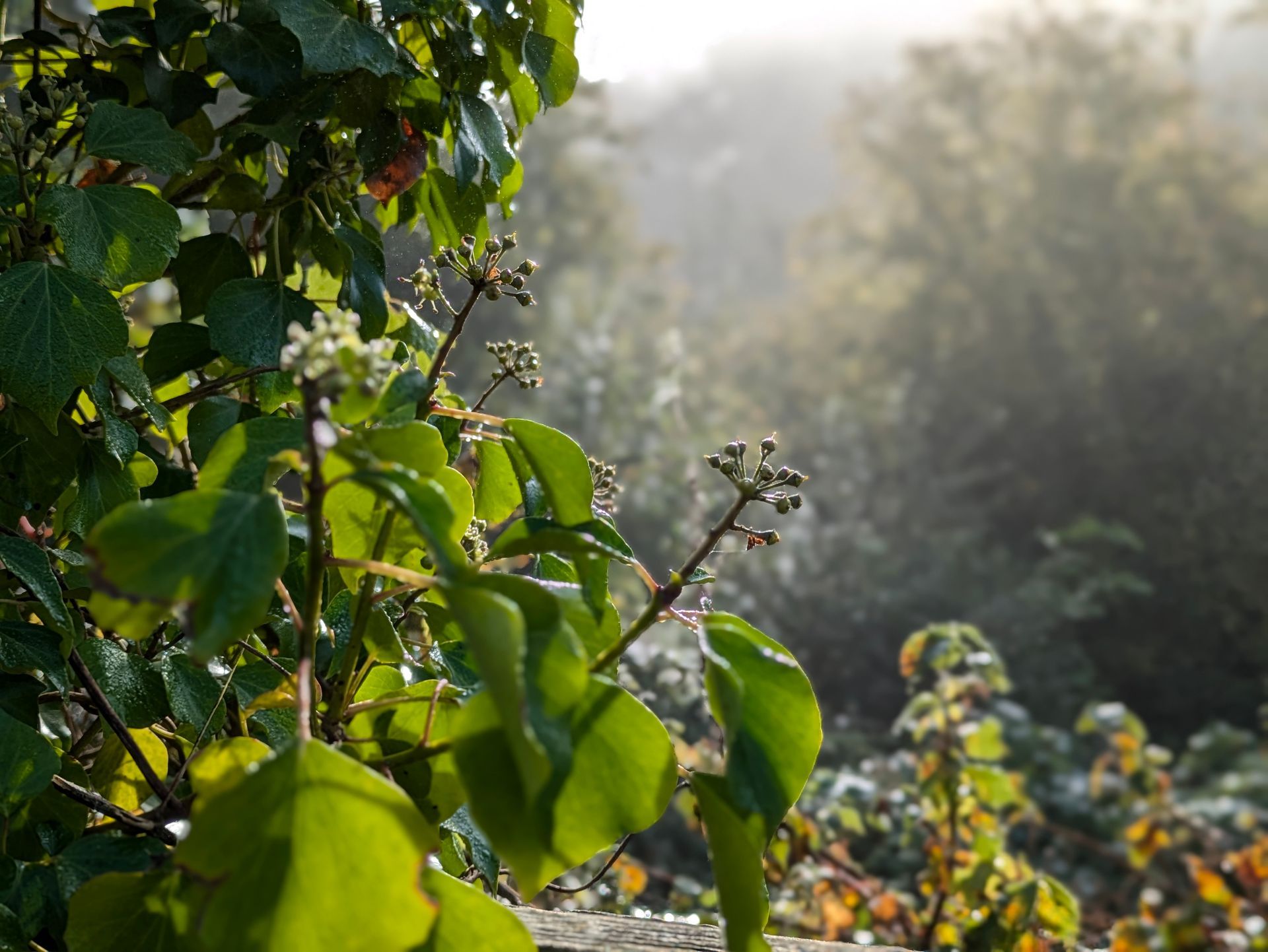
The quality of the light in January is different from any other month of the year, especially on a misty morning. With low lying clouds glowing as the dawn rises with dew on the grass glistening with frost, it is a pleasure to behold. Everything is fresh, cool, clean and bright, the light glows red to white and it's a beautiful way to start the day.
Natural light is essential for eye health. It helps the human body to produce Vitamin D required to regulate calcium absorption, contributing to the development and maintenance of healthy eyesight. We are often deficient in Vitimin D at this time of year so getting enough daylight everyday is important.
All in all, Natural light plays an important role in slowing down the aging process and improving our vision, especially as we admire a far-away landscape, gaze up at the clouds or watch a bird flying high in the sky.
I hope you find some interesting and creative ways to spend time in Nature this month and look forward to sharing more ideas with you for February 2026.
Much love
Sue Xx
Thank you for sharing!
for you, for me and for Mother Nature
Latest Posts


All Posts