A Healing Herb (St John's Wort)
Relieving depression, reducing inflammation and healing the skin
A Healing Herb Guide
St John's Wort is the nineteenth herb to feature in my Healing Herb Guide.
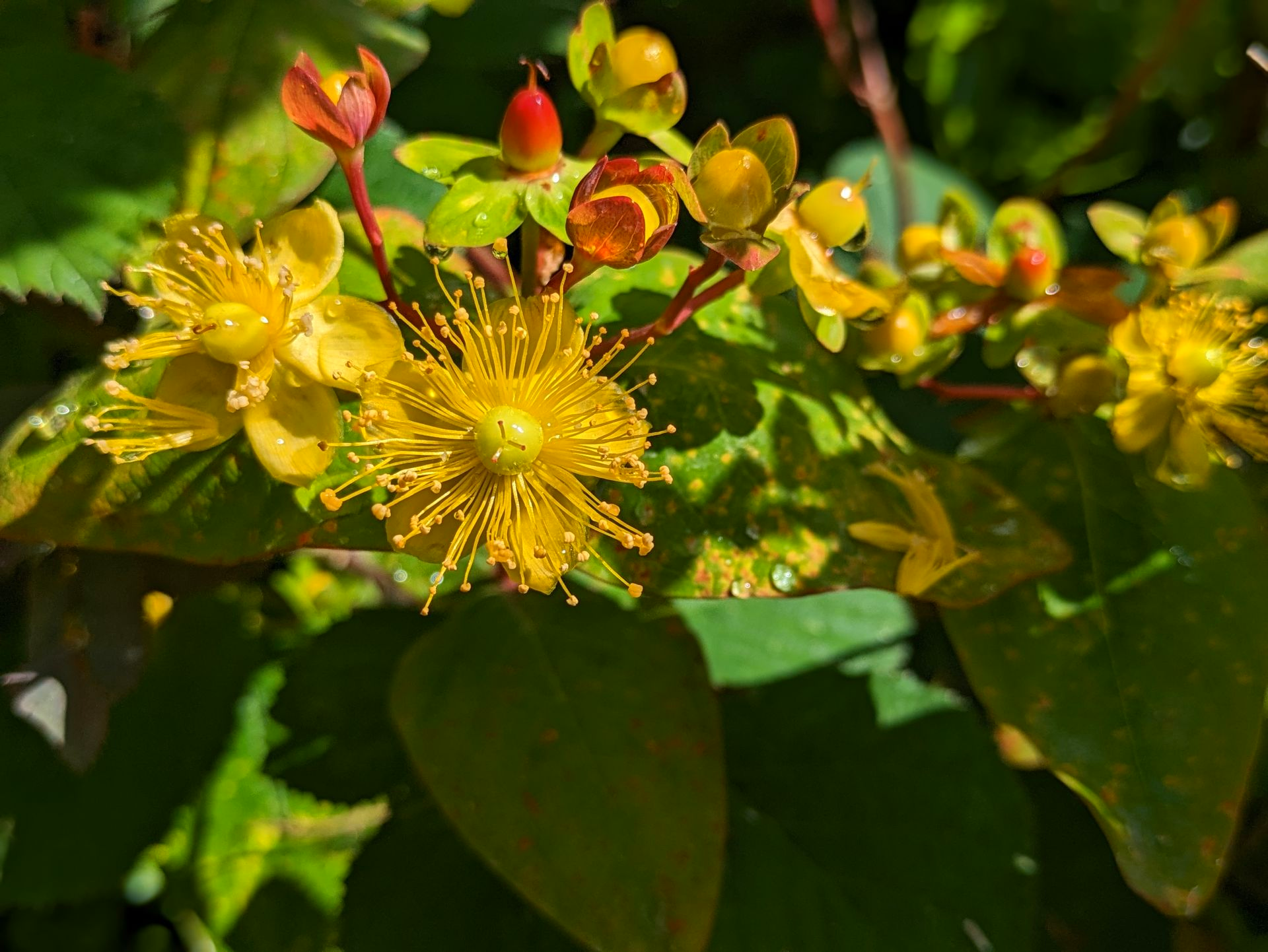
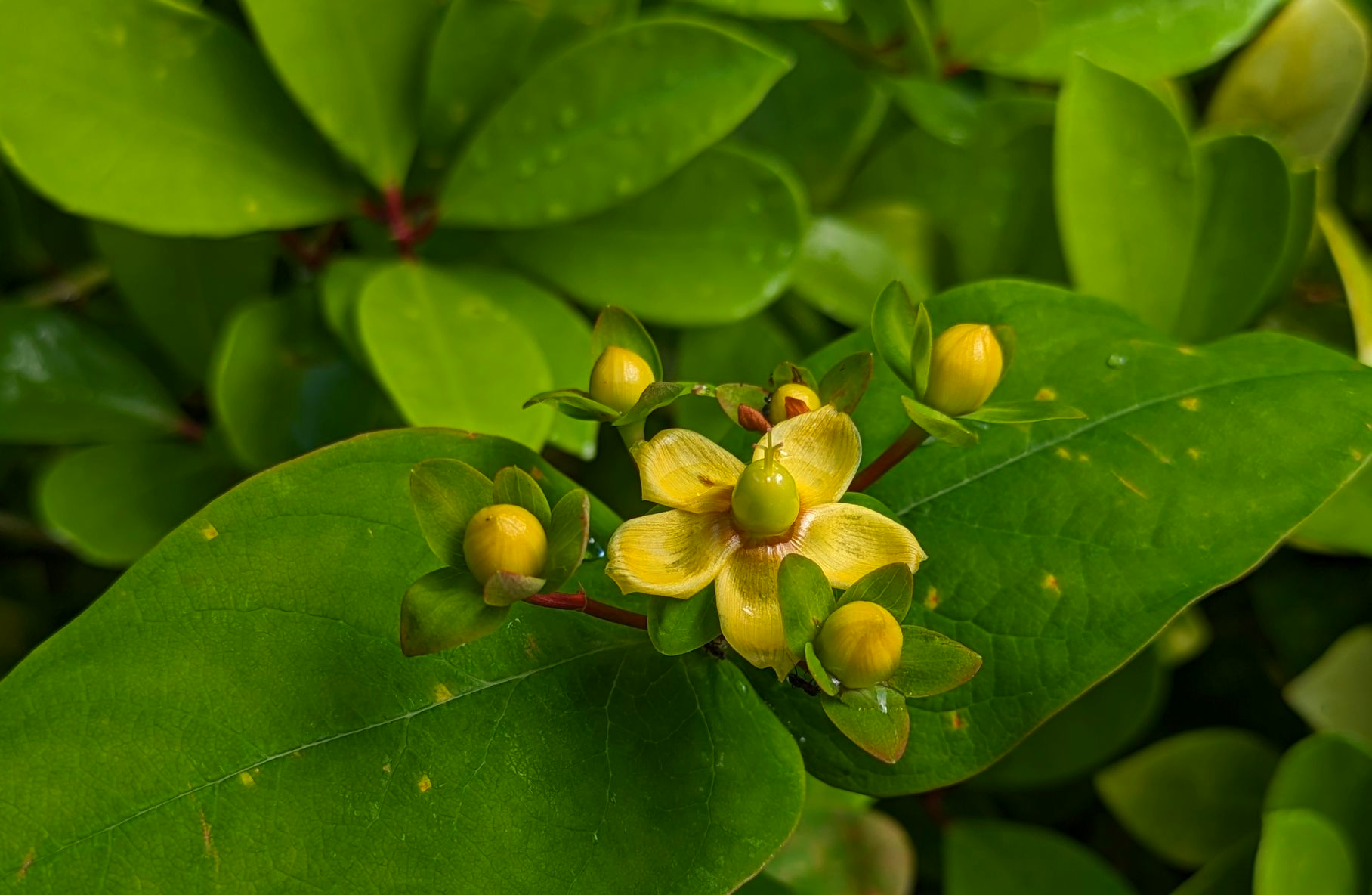
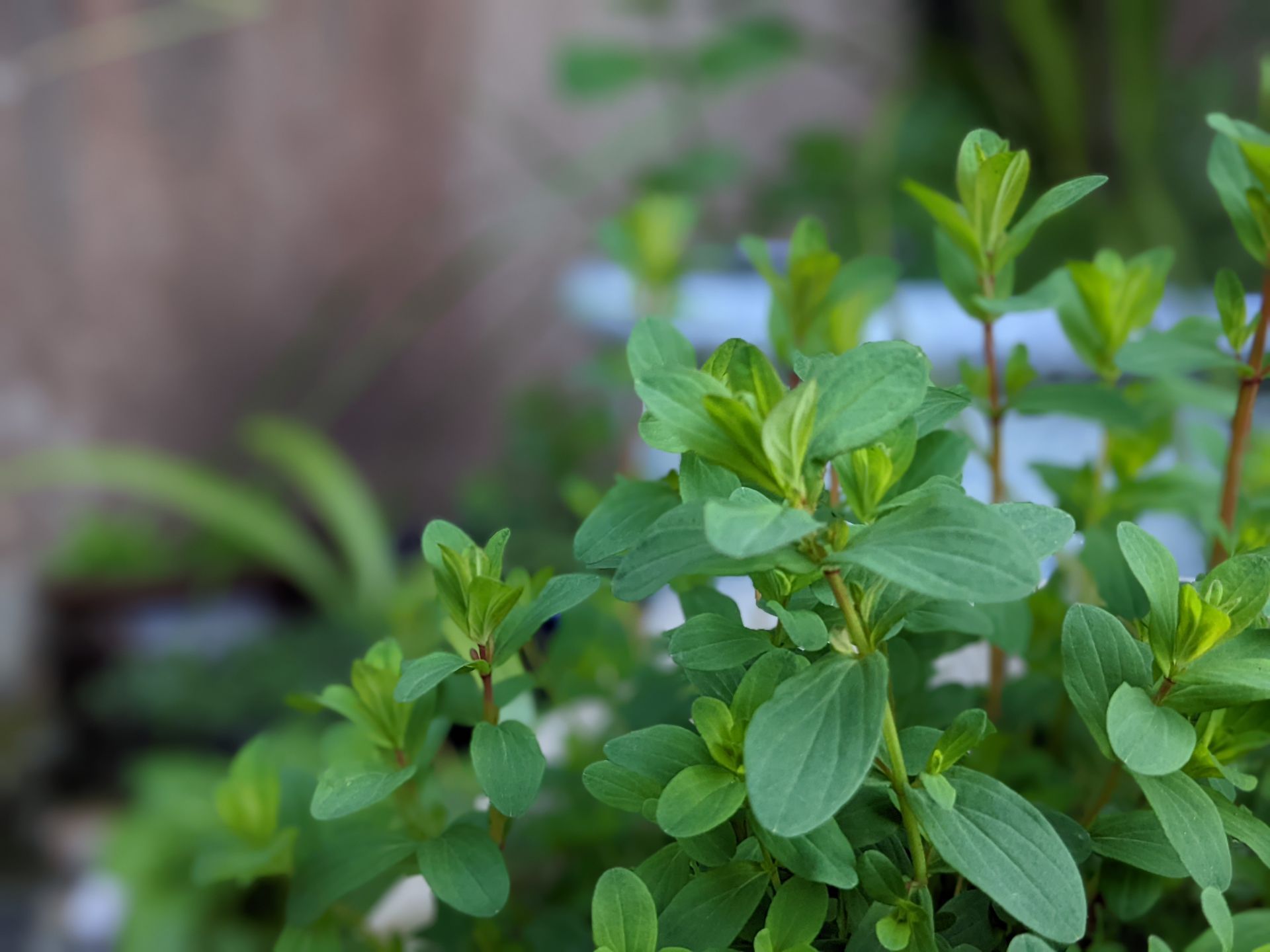
St John's Wort is a herbaceous plant which is a non-woody plant with soft, green stems that usually die back to the ground each year. With characteristic displays of golden yellow flowers with spectacular stamens, the leaves are elongated ovals that decrease in size to the smallest at the top. They have a kind of perforation which are translucent glands that gave rise to its botanical name which is hypericum perforatum.
Both the flowers and leaves of St. John's Wort have active healing ingredients such as hyperforin. This particular compound acts as a neurotransmitter reuptake inhibitor which boosts serotonin, dopamine and gamma-aminobutyric acid (GABA) levels producing a calming effect. It is thought to play a major role in controlling nerve cell hyperactivity associated with anxiety, stress and fear, making it effective for relieving mild depression, anxiety, and low mood by lifting spirits and improving sleep.
Beyond mood, hyperforin has been found to contain antibacterial, anti-inflammatory and wound-healing properties, making it a powerful healing herbal tea or a tincture or oil to place on the skin.
Making your own teas, tinctures and oils (see below) from fresh flowers picked in the Summer, is the best way to enjoy the full benefits of this incredible medicinal herb.
I hope you enjoy discovering the life-giving and healing benefits of St John's Wort - an uplifting herb that will serve you well in support of your general good health, healing and wellbeing.
Folklore
According to indigenous tradition, the herbs and flowers were always collected by the women and the number would be an odd number. Traditionally, only the petals or the entire corolla of St John's Wort would be used and not the stems. It has always been a common garden plant grown by Cherokee Indians to attend things like snakebites, fevers, nosebleeds, menstral disorders and bowel complaints.
One of the most enduring legends is that the plant rose from the blood of St. John the Baptist when he was beheaded, imbuing it with his protective spirit. When rubbed together, the golden yellow petals gradually release a bright red liquid, thought to be the same hue as blood. St. John's Wort was also said to bloom on his birthday which was on the twenty fourth of June.
In Pagen times, as the St John's Wort blooms explode in a haze of petals and stamens around the time of the Summer Solstice, and because they were so revered for their healing properties, various rituals were performed on Midsummer Eve, a time traditionally associated with magic and the supernatural.
St. John's Wort was believed by many to have the power to ward off evil spirits and protect against the evil eye. The flowers were gathered on St. John's Eve to adorn homes for protection. The plants were considered to reveal secrets and provide guidance from spiritual realms, bridging a connection between the natural world and the divine.
With its enchanting folklore and wisdom, it invites us to embrace the sacred in our everyday lives. Whether used for its healing properties or mystical associations, St. John's Wort is a symbol of the interconnection between nature, health, and spirituality.
A vibrant plant like St. John’s Wort, collected and dried at the height of Summer, or made into a healing oil (see below), provides a perfect antidote to the Winter blues or those who suffer from Syndrome of Symptomatic Adult Acetabular Dysplasia (SAD).
Remedies
St. John's Wort flowers make brilliant and beautiful red medicine. They are used to make tea, whole supplements, natural oils and salves. These can be used to relieve a number of symptoms:
- Relief for nerve damage and pain
- Healing of skin damage and inflammation
- Healing of general wounds, cuts and bruises
- Relaxing of tense and sore muscles
- Relief for depression, low energy, Attention Deficit Hyperactivity Disorder (ADHD) and Obsessive-Compulsive Disorder (OCD) symptoms
- Easing of premenstrual syndrome and menopause symptoms
St John's Wort Herbal Tea
The benefits of drinking herbal tea made from St John's Wort flowers include mood enhancement, reduced anxiety, better sleep, reduced inflammation, improved digestive health, reduction in hot flushes during menopause, relief from pre-menstural tension (PMT) and antioxidant protection for cells from damage caused by free radicals.
- 2-4 tsp (4-8 gms) x fresh St John's Wort flowers (or 1-2 tsp dried)
- 8 ounces x fresh filtered water
- 1 tsp x Raw Honey (to taste)
How to make your tea
- Bring water to gentle rolling boil in a glass or stainless steel saucepan.
- Add the flowers to steep for for 3 to 10 minutes.
- For a less bitter infusion, steep for the short time - and add Raw Honey to taste.
- For a more effective medicinal brew, steep for longer by reducing to a gentle simmer and covering with a lid to help the tea release its full potential.
- Remove the flowers from the water, pour into a cup or mug, add honey and enjoy.
NOTE: You can drink up to 2 to 3 cups a day after meals. You can also use the tea to make compresses and dressings for healing or soothing the skin externally.
Recipes
St John's Wort Oil
The best time to pick St. John’s Wort flowers is on a bright midsummer's day when they at the peak of their bloom. Make sure to avoid roadsides and polluted areas, and only take what you need if the top flowers.
Collect in a basket or large paper bag to use as fresh as soon as possible for the most potent oil.
- 1 x large glass jar with an airtight lid
- 1 x large square of straining material - cheese cloth or clean gauze
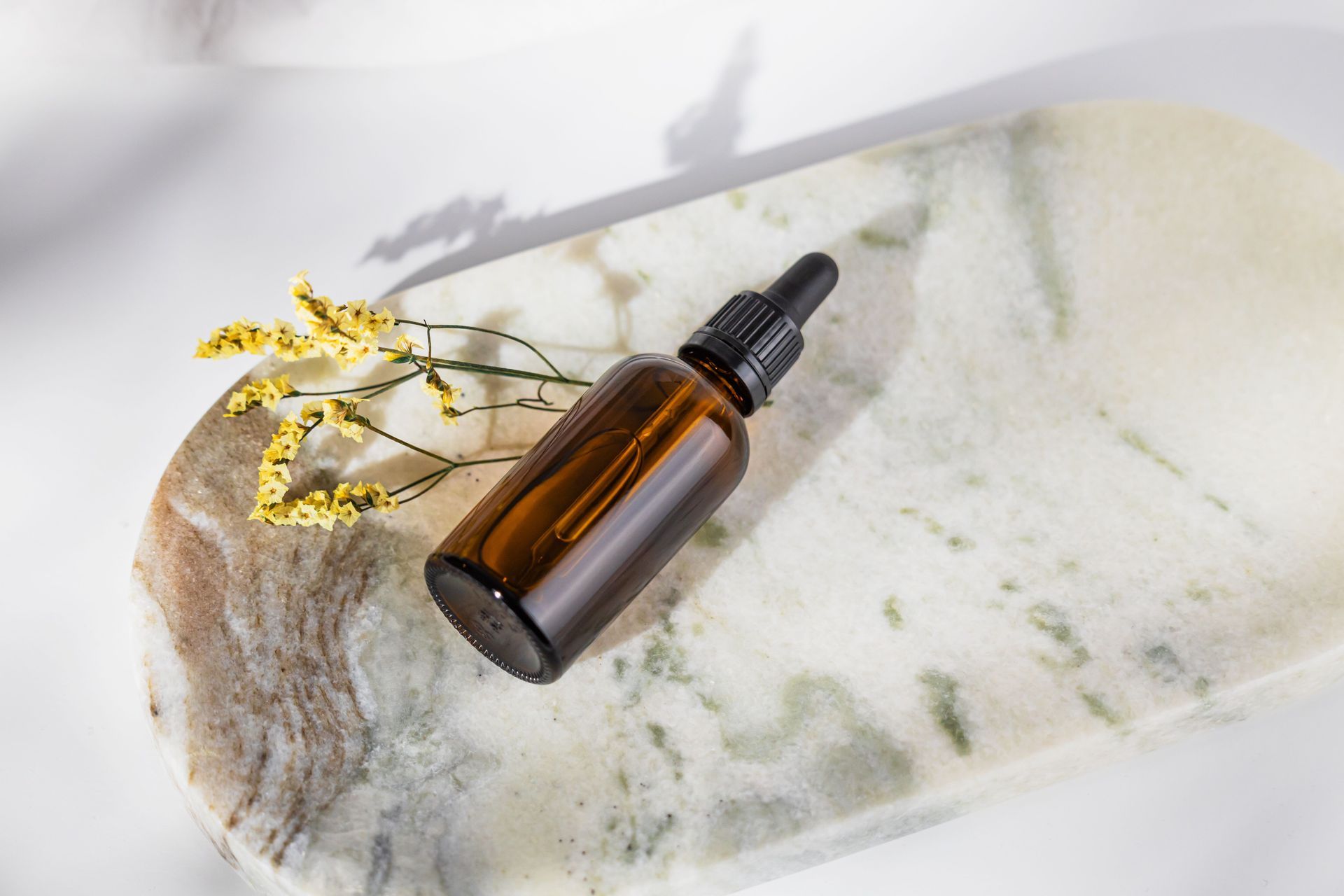
- 1 x dark coloured glass storage bottle
- 1 x cup (30 gms) St. John's Wort - flowers and stamens
- 1.5 x cup (125 gms) organic carrier oil - cold -ressed virgin olive oil
- Smaller dark glass jars or bottles with lids - add label with ingredients and date
How to make your oil
- Dry fresh and cleaned flowers in a shallow bowl. Make sure to check for any hidden bugs. If you leave the bowl in the Sun for 30 minutes, they will naturally crawl out.
- Sterililse the glass jar by washing it thoroughly and placing in a preheated oven at 140°C for 15–20 minutes.
- When the jar has cooled, fill it ¾ with flowers before pouring in the olive oil.
- Press the flowers down gently into the jar to release any air bubbles in the oil.
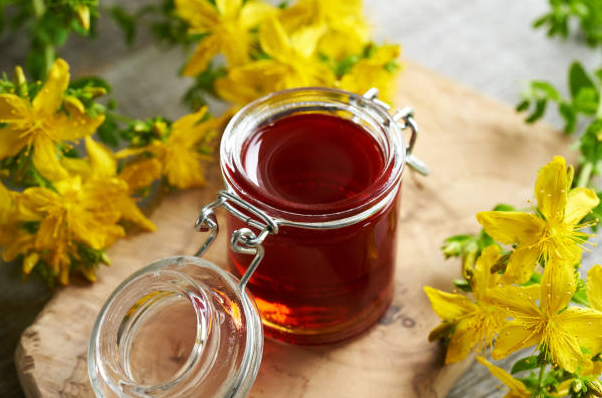
- Seal the jar and place in a warm, sunny spot for 4–6 weeks (traditionally 40 days). The sunlight helps draw out the hypericin, giving the oil its rich ruby-red color.
- Check the jar every so often and stir gently. To prevent mould, top up with more oil if the flowers appear above the surface.
- After 40 days, when the oil has a deep ruby red color, strain it through the cloth to pour into smaller clean jars or bottles (and lids). Make sure the lids are tightened well.
- Store jars or bottles in a cool, dark and dry place. Properly stored, the oil can last up to 1–2 years.
I hope you are enjoying this ongoing series of posts about the healing powers and health benefits of herbs that can be grown in any sized garden, in pots - or found growing in the wild - free to discover and free to forage for your good health.
I hope you enjoy adding St John's Wort to your garden for its abundant displays of golden petals and starry stamens in the Summer, and for all the healing benefits they bring.
Much love
Sue Xx
Thank you for sharing!
for you, for me and for Mother Nature
Latest Posts



All Posts