Welcome December (Almanac 2025)
Dates and inspiration for things to see and do in Nature in December
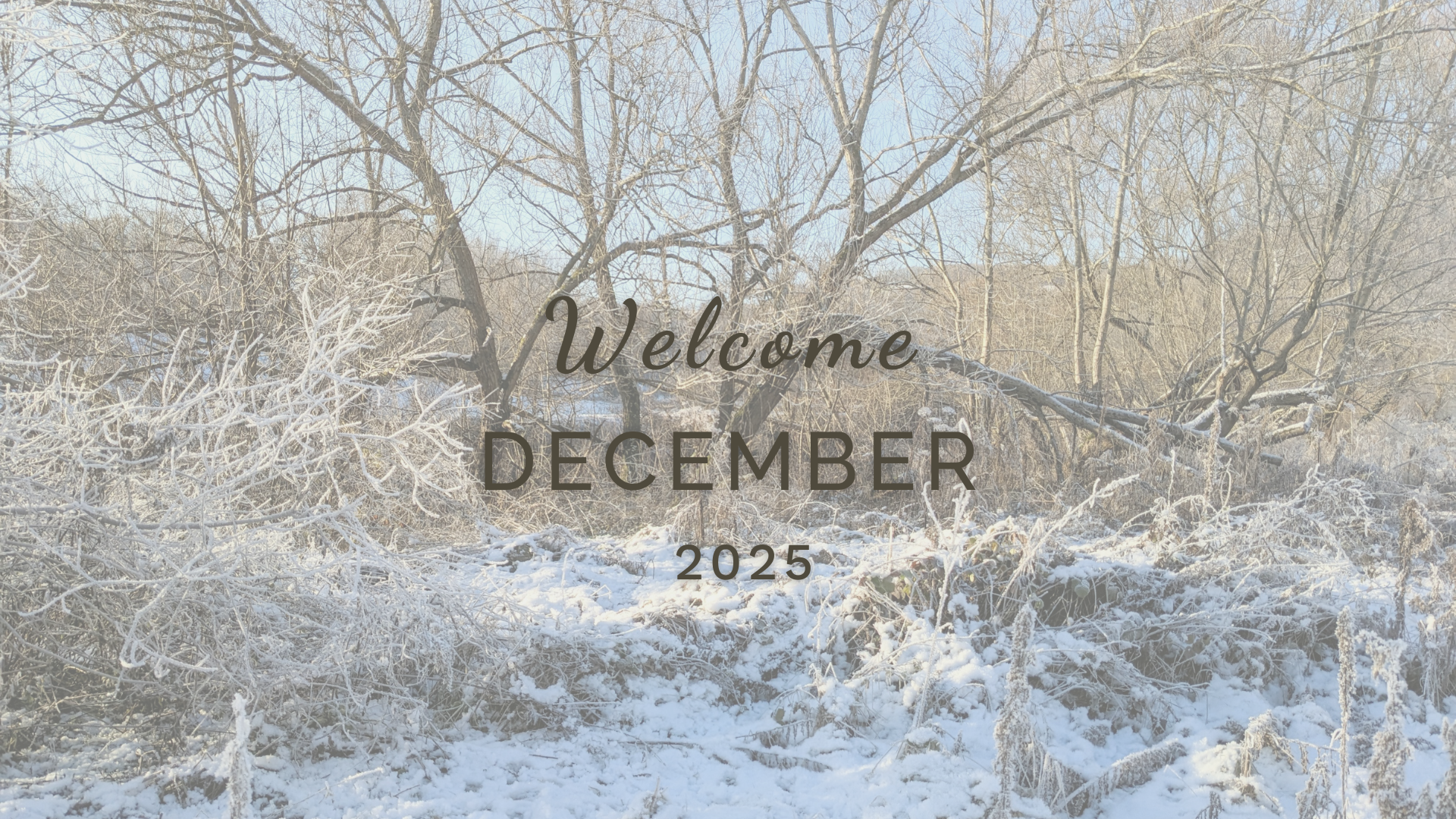
WELCOME DECEMBER
At the start of December, we can already feel the cold setting in. I love this time of year on sunny days with clear blue skies, not quite chilly enough for gloves and scarves but chilly enough for an extra jumper and a warm coat. Breathing in the fresh air and feeling it permeate your body is like an inner cleanse and we should all endeavour to spend time outside for the goodness these natural elements provide for us.
From 21st December on the Winter Solstice, days will start to lengthen by a few seconds each day. This will steadily increase until hours of daylight extends by 3 minutes each day from March.
The emergence of the Cold Moon in December occurs just less than a week before the Winter Solstice. This marks the longest night of the year when we can gaze at the stars and take time to be still so that we can reflect on the year behind us and allow our hearts to reveal our true purpose for the coming year.
Now is a good time to look out for Long Tailed Tits who roost together for warmth on tree branches or pack themselves snuggly into nests built in hedges, bushes, brambles patches or thickets. They have the softest and light twittering and trilling with high-pitched contact calls in between. Despite being one of the smallest garden birds in the British Isles, they have beautifully long tails for their size and a small round body of fine, fluffy feathers.
Like so many birds in Winter, our provision of Wild Bird Food and Wild Bird Cakes (see below). Remember to at least provide fresh filtered water as this plays an essential role in protecting our feathered friends through the coldest months.
In the undergrowth, you may spot a Water Vole, Field Mouse or Shrew darting along their hidden tracks, still very active collecting food for the Winter and making their burrows below ground snug and comfortable. Or you may see a Fox trotting across the bleak landscape in the countryside, curcuiting his territory, hunting for food for cubs waiting for them in dens made in thick cover, hollow logs or rocky crevices.
The Fox is a quintissential character of the English countryside, known for swiftness of thought and action, playfulness and resistence. I wrote a poem called A Fox Runs (by a Fox) that speaks of the dreaded hunt and Hounds who fair no better, exploited for fun by those who consider this to be an essential part of their festive season.
My last poem for the year - Welcome December - speaks of a still and peaceful time of year when we hunker down as the Cold Moon shimmers in the night sky - and when bare trees make shadows on icy fields and Robins hop from branch to branch - ever cheerful, ever strong.
This last Almanac of the year contains key dates and seasonal events to note for the month so that you can stay in sync with Nature's natural cycles with suggestions for ways to benefit from the natural world around you.
Moon Phases
- Thursday 4 December - FULL COLD SUPERMOON in Gemini
- Wednesday 20 December - NEW WOLF MOON in Sagittarius
Winter Solstice
- Sunday 21 December - Northern Hemisphere
Sunrise and sunset (Devon, British Isles)
- Monday 1 December - Sunrise (7.54am) - Sunset (4.11am)
- Wednesday 31 December - Sunrise (8.16am) - Sunset (4.18pm)
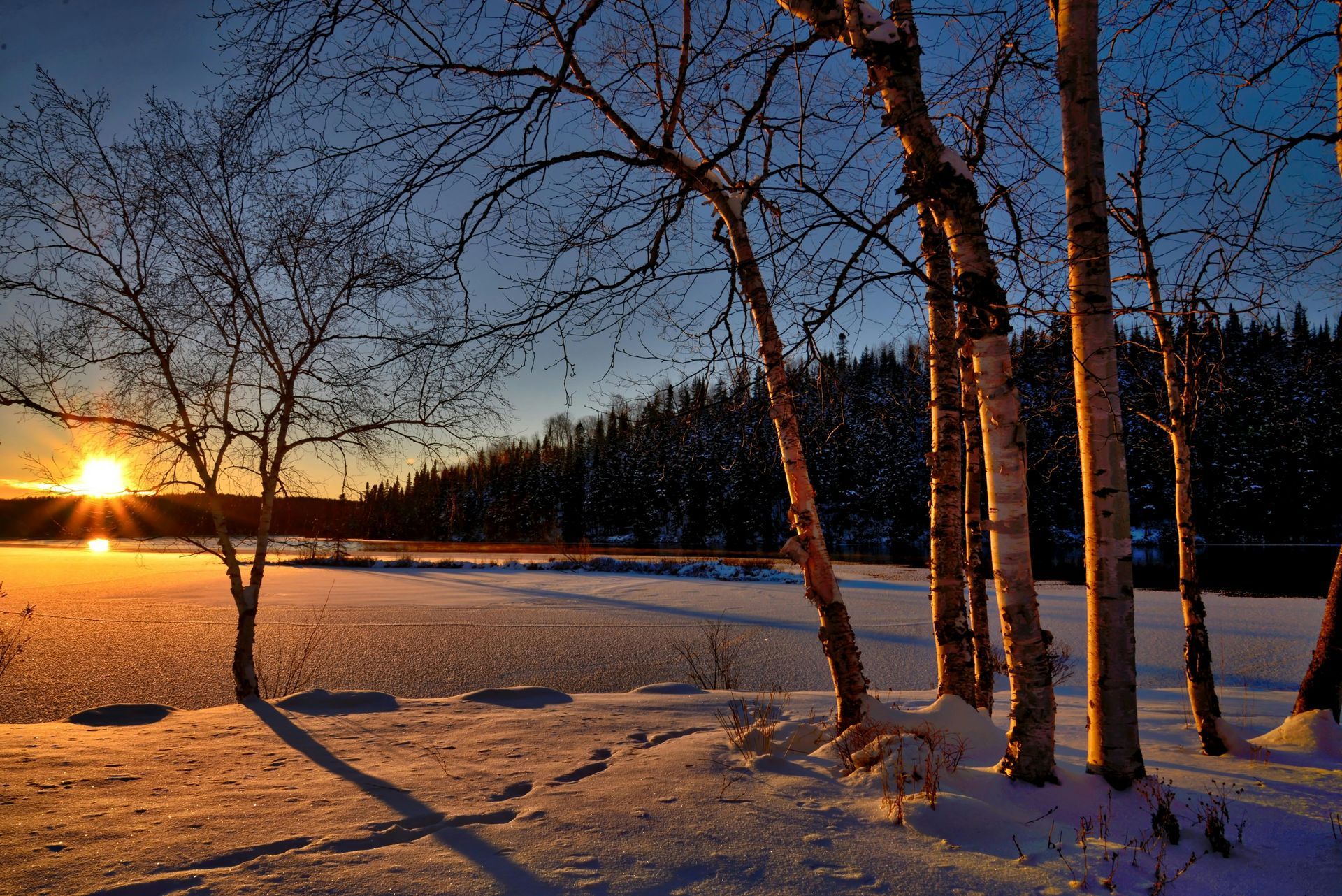
THINGS TO DO IN THE GARDEN
There is always something to do in the garden, especially in preparation for the first frosts which could be as soon as early November for households in places like Edinburgh and Bournemouth, and the beginning of December for those of us living in Devon.
Tend the roses - prune down tall growing bushes by about half to reduce the risk of wind damage to the roots and stems; shorten the branches of standard roses with sharp clean secateurs; plant bare-rooted bushes this month.
Tend to your pots - make sure your Winter containers are in a position of full Sun in the garden; keep watering your Winter flowering displays and any evergreen shrubs.
Winter pruning - trim down dormant perennial plants and herbs to a few inches to improve their growth and seed production next season.
Frost-sensitive plants - these can be left in the ground even if they are going to die down as they serve as important sources of food and shelter for Winter-born insects and small wild animals through the Winter.
Frost protection - I use the wonderfully soft and pure wool packaging used in deliveries from my local organic farm, perfect to cut into circles and place around the stems of plants in pots, especially my collection of Roses.
Tidying the garden - it seems like a job that can never be done so enjoy it and relish the exercise in the open air, clear fallen leaves (but make sure to leave some in certain places for creatures to bed down in during the Winter).
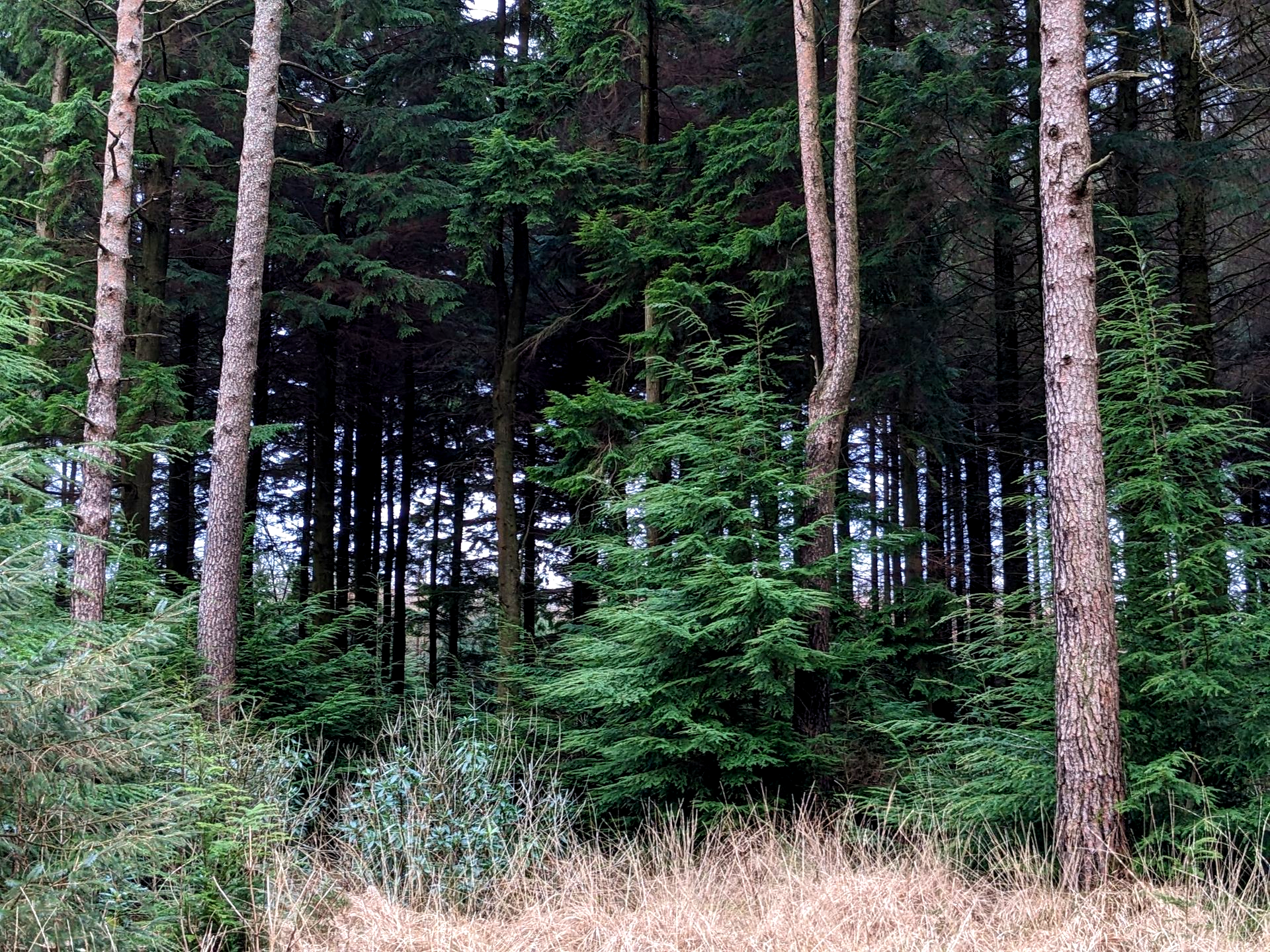
Make a Bird Cake
The beauty of making your own cakes for birds that visit your garden during the Winter, is that you have full control over using ingredients that you know to be beneficial - and what to avoid.
Ingredients to avoid
- Uncooked Rice
- Salted Nuts or any processed foods
- Whole Nuts or Fruit (which might choke)
- Avocados
- Bread or Breadcrumbs
- Caffeine
- Chocolate
- Cookies or Cake (homemade or otherwise)
- Dried beans
- Vegetable Oils, Butter and Processed Fats
- Garlic
- Honey
- Milk
- Mushrooms
- Onions
- Potato Chips
- Raw Meat
- Salt
- Spoiled Seeds
- Cooked Rice
- Table Scraps
- Xylitol or any other chemical compound (or food sprayed with the same)
- Fillers, Preservatives, Colourings, Flavouring and any other additive
Make sure you check sources of ingredients as those above can be highly toxic for birds and should be avoided at all costs.
Ingredients to use
- Hard Animal Fat - Tallow, Lard or Suet (at room temperature)
- Mixes of Bird Seed
- Sunflower Hearts
- Shelled Whole Peanuts - or chopped into tiny pieces
- Dried fruit cut into tiny pieces (and only a small amount) - softened with water
How to make
- Combine an equal amount of your chosen ingredients (and the fruit) in a large bowl with the softened tallow, lard or suet.
- Mix into a firm paste using your hands and get the kids involved, even if gets a bit messy!
- Pierce the bottom of a clean pot or empty coconut shell and make a hole in the bottom to thread a length of string.
- Knot securely on the inside of the pot so that it hangs upside down like a bell.
- You can also use large Pine Cones that have fallen to the floor and press your mixture into the spaces between the scales.
- Fill with the fat mixture and hang outside.
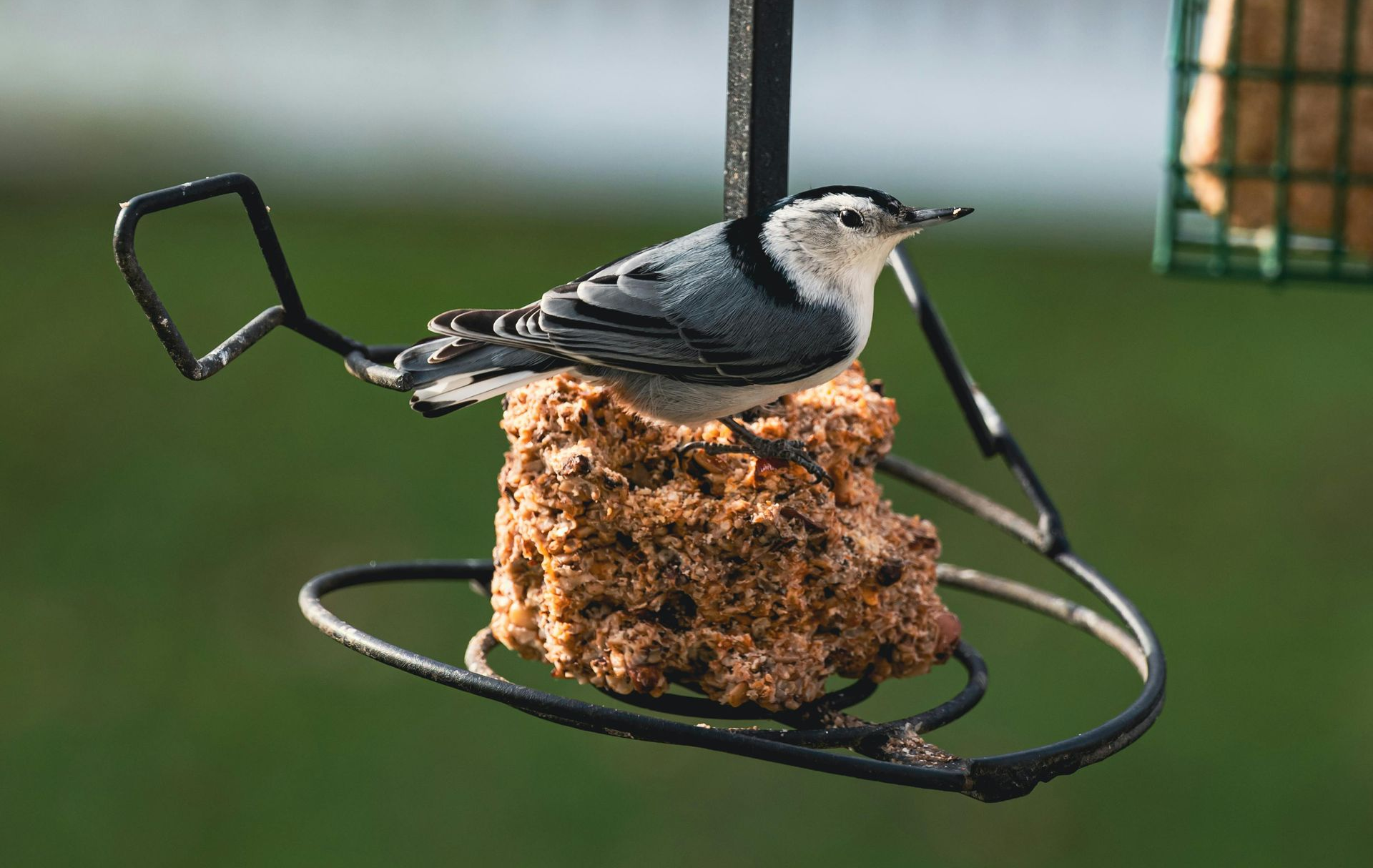
Go on a Winter Nature Hunt
This is the perfect time of year to wrap up warm and go for a long meandering walk in Nature where you are on the lookout for things to gather treasures from the ground and surrounding branches to take home with you.
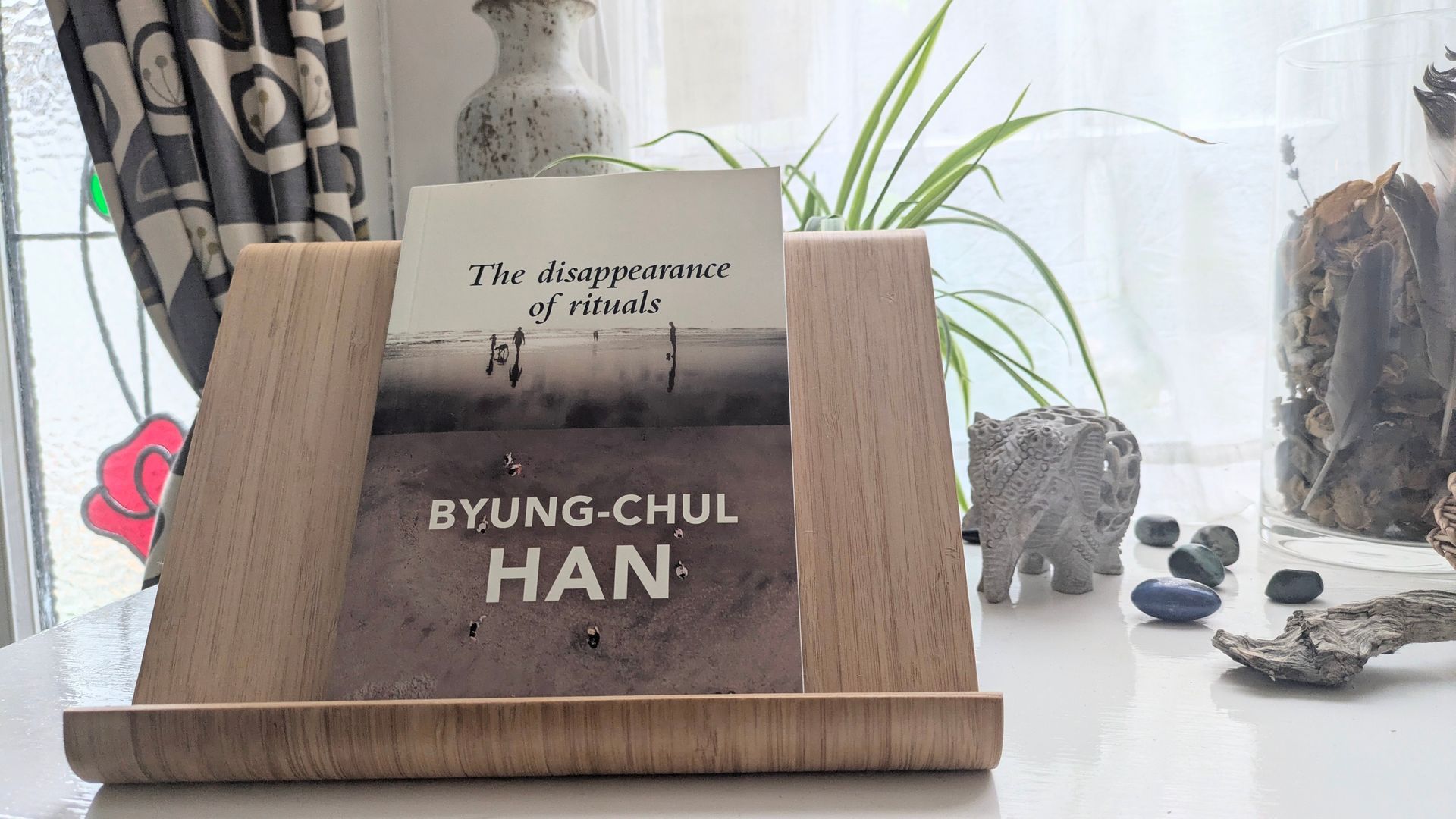
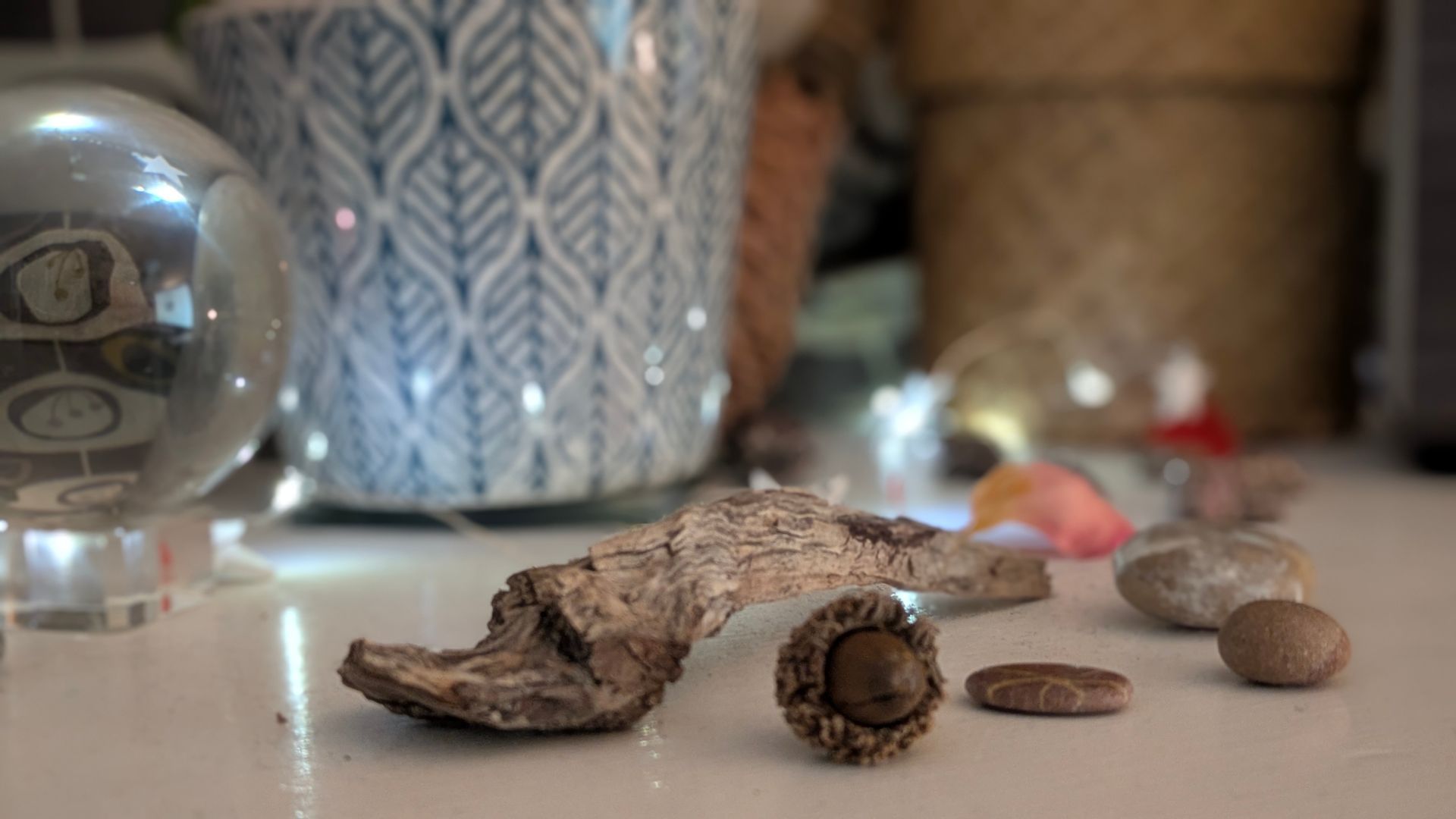
I have a special glass jar for a natural collection of things found on my walks and I like to place things on certain windowsills as ornaments to make me feel close to Nature and bring the outside in.
You would be surprised how many things you can find. Children are particularly good at this and love to go on a trail to find things and collect them in a strong paper bag that can be provided for such endeavours. Here are some ideas, most of which I have obtained in different locations through the seasons:
- Pine Cones
- Shrivelled Berries (often still red)
- Dried Flowers (or nearly dry to finish drying at home)
- Milkweed and other Seed Pods
- Dried Rose Hips
- Dried Leaves (all shapes and colours)
- Pine cones
- Catkin Tails
- Feathers
- Patterned Stones
- Empty Beech Nut shells and Acorns (in their shells)
- Long Grasses and Tall Dried Plants
- Dead Branches (good for hanging Christmas decorations)
- Dried Lichen (a small amount for effect)
You could also collect some evergreen plants and berries to use as Christmas decorations such as:
- Holly Leaves with Red Berries
- Trailing Ivy Leaves and Dried Vines
- Fir Tree Branches and Pine Cones
- Mistletoe
- Rosemary (for its heavenly scent)
If you want to plan for a family Nature Study where you find the best places to visit and make a record of findings, check out my Planning a Field Trip guide with free PDF printables.
Check your
Picking Limits for wild plants growing as defined by the Foraging Code over at Wild Food UK, and happy exploring!
I hope you have enjoyed making the most of Nature and the seasons through the year and look forward to welcoming in the months ahead with you from 1 January 2026.
Sue Cartwright
Spiral Leaf
Buy a book!
Books with seasonal information presented for each month of the year are available from the Spiral Leaf bookshop using the links below.
The Leaping Hare Nature Almanac by Raluca Spatacean
The Forager's Calendar: A Seasonal Guide to Nature’s Wild Harvests by John Wright
Wild Hares and Hummingbirds by Stephen Moss
The Running Hare by John Lewis-Stempel
The Leaping Hare by George Ewart Evans and David Thomson
Meadowland - The Private Life of an English Field by John Lewis-Stempel
Spiral Leaf may earn a small commission on books sold using the above links in support of independent book sellers and bookshops at no extra cost to you!
Thank you for sharing!
for you, for me and for Mother Nature
Latest Posts




All Posts